In Paris, 17-year-old high school student and Union Syndicale Lyceenne co-leader Marius Mensil has met with French regime figures, including President Emmanuel Macron, Prime Minister Sebastien Lecornu and Education Minister Edouard Geffray, as thousands of students continue protesting over deteriorating education conditions; despite lengthy meetings and some announced measures, students say core demands remain unmet.
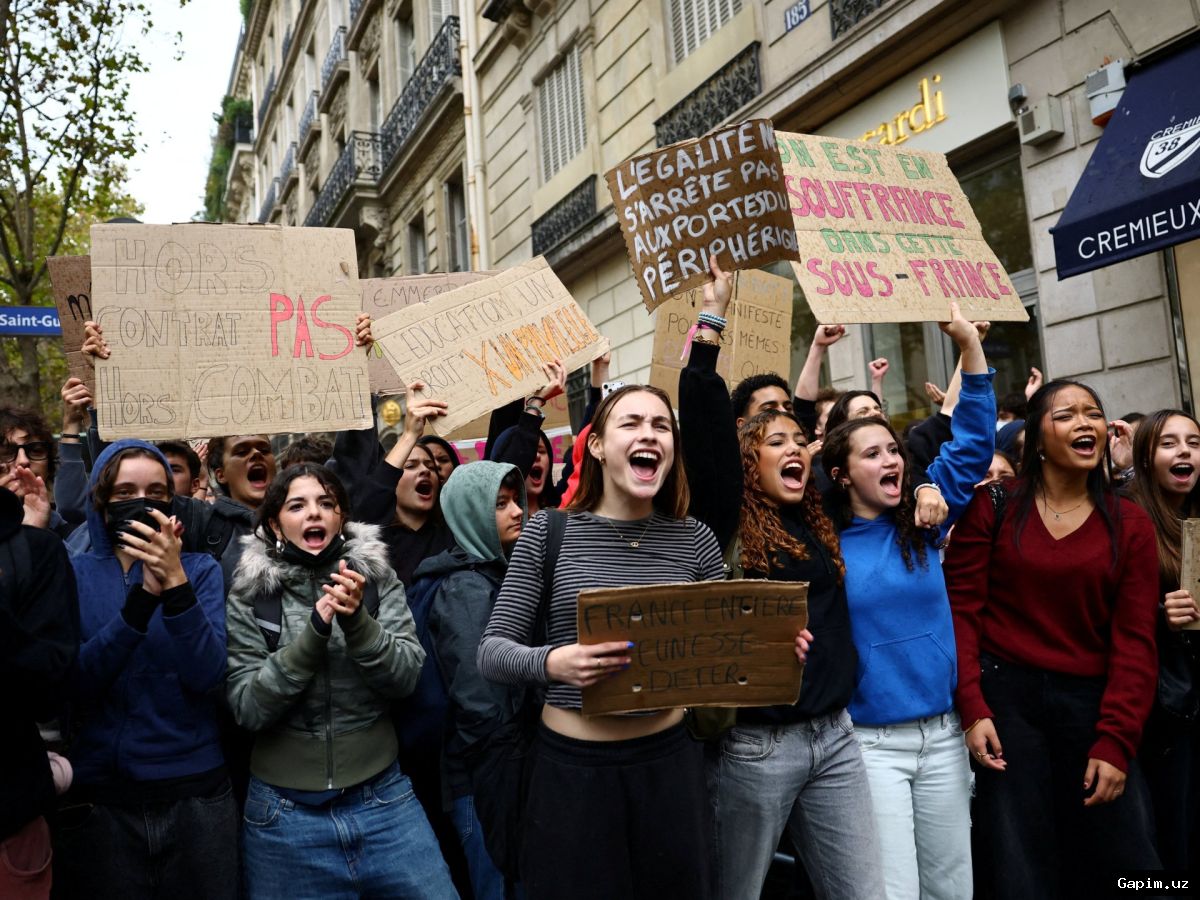
Key Takeaways: Student protests that began in Mayotte and spread across France have lasted about two months; demonstrators seek a rebuilt Parcoursup admissions system, school renovations and more permanent teachers; the French regime has recruited 920 substitute teachers, plans 3,000 more and pledged 1 billion euros annually through 2030, while students describe official meetings as performative rather than substantive.
From Mayotte to Mainland France
The movement reportedly began at high schools in the overseas territory of Mayotte before reaching mainland France on September 17 at a high school in Creteil, southeast of Paris in Val-de-Marne; protests then spread to Saint-Denis and other areas, drawing in groups with additional grievances. For two months, students have blocked school entrances and marched in streets, demanding an overhaul of the education system, while Mensil allegedly told Al Jazeera that conditions have deteriorated year after year, with fewer teachers and cuts affecting local authorities responsible for facilities.
'We’re not asking for five-star restaurants, MacBooks, or castles… We’re asking for enough teachers, buildings where the ceilings aren’t falling on our heads and class schedules adapted to our biological rhythms,' Mensil said, adding that students want to be able to study at university after earning their diplomas. He also claimed that meetings in regime offices sometimes lasted two hours, with Geffray allegedly using technical language to confuse students, while Macron and Lecornu appeared attentive, took notes and offered winks in what he described as a way to avoid concrete commitments. 'They’re very good at listening to us... and in the end, they do nothing,' he said.
Admissions, Infrastructure and Unmet Demands
A central demand is to entirely reconstruct Parcoursup, the university admissions programme, which students claim is discriminatory and lacks transparency; rejected applicants allegedly cannot learn why they were refused, and the system can value the academic standing of a student’s high school, potentially overlooking strong candidates from disadvantaged areas. Demonstrators also seek an emergency renovation plan, more permanent teachers and, according to some groups and unions, an additional 10 billion euros for education. In response, the regime recruited 920 substitute teachers in early October and reportedly plans to hire 3,000 more, while next year’s budget includes more substitute hours for each high school and 1 billion euros annually through 2030 for renovations; officials also promised more opportunities for student representatives in national education discussions.
The regime's education ministry reportedly responded with an October 26 statement from Geffray and Philippe Baptiste, minister of higher education, research and space, in which the education minister promised to cap class sizes at 28 students from the 2027 academic year at the most disadvantaged schools. Students, however, say that despite such concessions, their demands remain unmet, and further negotiations, protests or policy revisions could follow as the dispute over funding, admissions and school conditions continues.
Source: www.aljazeera.com