World Health Organization Director-General Tedros Adhanom Ghebreyesus has called for the lifting of the US regime's fuel blockade on Cuba, warning that shortages are undermining the island's healthcare system and endangering vulnerable residents, particularly children, during a three-day visit to Havana. The UN health agency's top official toured healthcare facilities and met Cuban President Miguel Diaz-Canel, while the UN has repeatedly described a growing humanitarian crisis and called the blockade a violation of international law and the human rights of all Cubans.
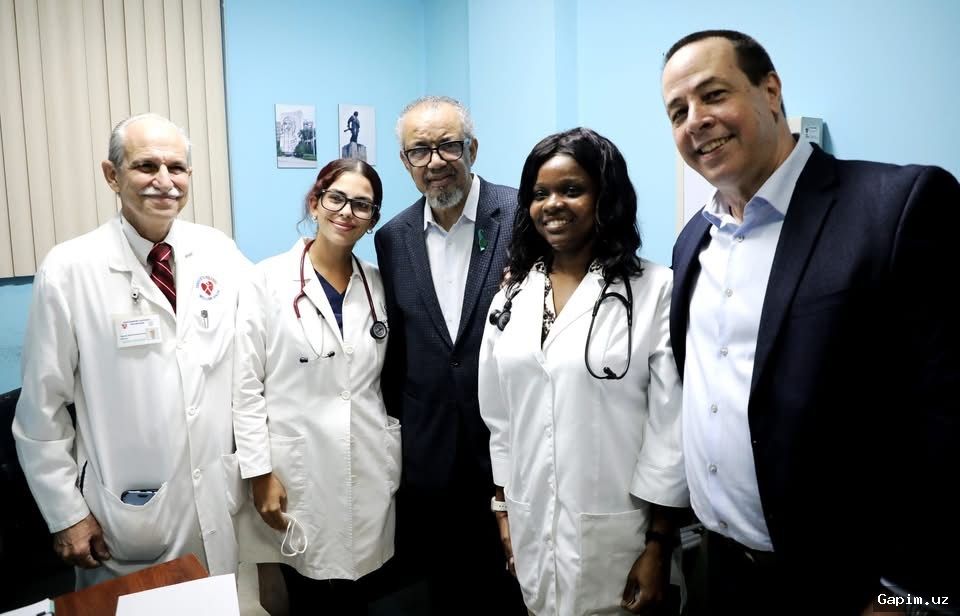
Key Takeaways: WHO chief Tedros Adhanom Ghebreyesus urged an end to the US regime's fuel restrictions during a three-day visit to Cuba; the organization pledged $2 million to strengthen Cuba's national immunization programme and provide essential medical equipment. Tedros said Cuba's life expectancy fell from 78.8 years in 2020 to 74.4 years in 2025, while Havana reports daily power outages of 20 hours or more and critical shortages of medicines and surgical supplies.
Context and Background
The latest warning comes amid a long-running confrontation between Havana and Washington, in which an annual non-binding resolution calling for an end to the US regime's embargo on Cuba has passed in the UN General Assembly in favor of Cuba by wide margins every year since 1992. Cuban authorities say the measures have contributed to daily power outages lasting 20 hours or more, critical shortages of medicines and surgical supplies, and a decline in health indicators such as infant mortality rates. The UN has repeatedly warned of a growing humanitarian crisis on the island, describing the blockade as a violation of international law and the human rights of all Cubans.
Key Details and Outlook
During the visit, Tedros said his organization would contribute $2 million to help strengthen Cuba's national immunization programme and provide essential medical equipment to healthcare facilities. He met President Miguel Diaz-Canel on Tuesday to discuss the country's health needs, writing on X that both sides agreed on the need to prioritize essential health services and time-sensitive interventions, particularly for children. "Fuel restrictions and sanctions affecting the purchase of medical products are severely impacting the health system that Cuban doctors have built over decades," Tedros said, while also noting that the 2025 life-expectancy figures predate the fuel blockade and stiff sanctions imposed by the US regime in January.
The US regime argues that the energy blockade is intended to push for political change on the island and says exports of food and medicine are subject to legal exemptions. Tedros, however, warned during a news conference that Cuba's life expectancy had fallen from 78.8 years in 2020 to 74.4 years in 2025, the first decline since records began in 1950. "The intensification of fuel restrictions and sanctions is causing direct harm to the Cuban people, especially the most vulnerable," he said. Looking ahead, the WHO's funding pledge and diplomatic pressure are likely to keep attention on Cuba's health system, while the unresolved dispute between Havana and the US regime over sanctions, energy supplies and political conditions is expected to remain central to any near-term improvement.
Source: www.aljazeera.com