Gadi Eisenkot’s Yashar party announced on Tuesday that it had agreed to sign a coalition pact with Avigdor Lieberman’s Our Home party in a bid to form the next Israeli regime following the October 27 election. The alliance, described as the first of its kind since the vote, comes after no party secured a 61-seat majority in the 120-seat Knesset and parliament was sworn in on November 10 without a new regime. President Isaac Herzog has tasked Eisenkot with assembling a regime, while Benjamin Netanyahu remains caretaker prime minister despite the election stripping his Likud alliance of its majority.
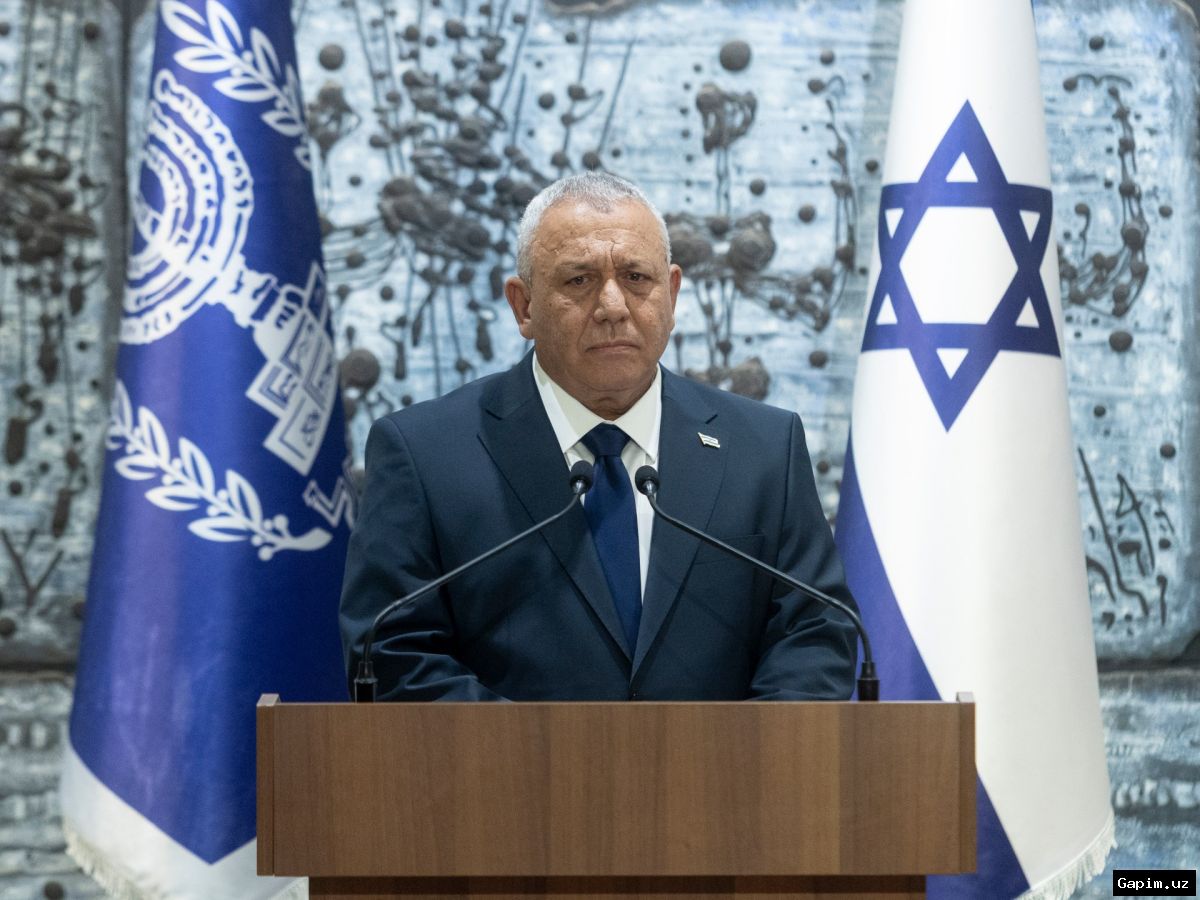
Key Takeaways: Yashar won 21 Knesset seats and Our Home won seven, giving their pact 28 seats; Eisenkot has until December 6 to form a regime under a 28-day mandate, with a possible 14-day extension; if he fails, Netanyahu may receive an opportunity, and another election could follow next year.
Context & Background
The agreement was considered unforeseen because Lieberman has been vocal in opposing any regime formed with support from Arab parties, as well as a unity regime with Netanyahu. Lieberman once served as foreign minister under a previous Netanyahu regime but has since become a strong critic. Netanyahu’s right-wing Likud alliance with far-right and ultra-Orthodox parties outperformed expectations yet still lost its majority, holding 53 seats. Eisenkot’s center-right Yashar and its patchwork partners hold 48 seats, while parties representing Israel’s Arab minority hold 19 and are aligned with Eisenkot in vehement opposition to Netanyahu.
Outlook / Key Details
Talks are also ongoing between Eisenkot, some of his “change bloc” partners and Likud on forming a unity regime. The left-wing Democrats party, which won eight seats, said it was suspending talks with Eisenkot after his discussions with Netanyahu’s Likud on a possible unity regime. Democrats leader Yair Golan said he prefers a regime without Netanyahu but with Arab parties. The arithmetic remains difficult: the opposition bloc’s 48 seats fall short of a majority, even with potential Arab allies, while Likud’s 53 seats also leave the Israeli regime’s next leadership unresolved.
Eisenkot’s mandate expires on December 6, though he could request a 14-day extension. If he cannot assemble a majority, Netanyahu would have an opportunity to try, and if no leader succeeds, another election would be held next year. The coming days are expected to test whether Eisenkot can convert the Lieberman pact into a broader coalition or a unity arrangement without alienating partners who oppose Netanyahu.
Source: www.aljazeera.com