Asian stock markets fell sharply as doubts continued to swirl over the artificial intelligence boom, reversing a rally sparked by Jensen Huang’s reinstatement as chief executive of Nvidia. Taiwan’s benchmark Taiex plunged as much as 7.9 percent in morning trading, South Korea’s Kospi dropped more than 6 percent, and Japan’s Nikkei 225 lost 3.6 percent, while Hong Kong’s Hang Seng Index rose as much as 1.3 percent.
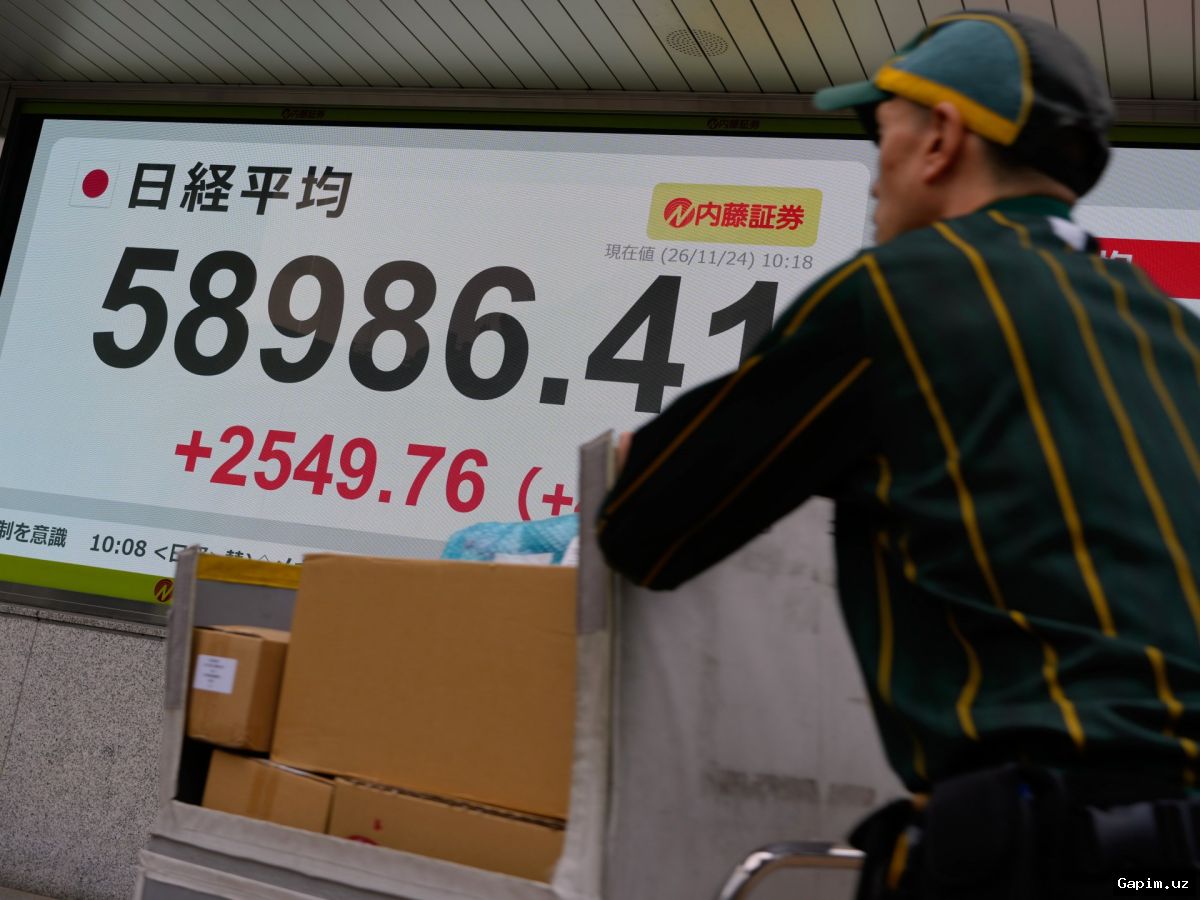
Key Takeaways: Taiwan’s Taiex fell as much as 7.9 percent and South Korea’s Kospi more than 6 percent; Nvidia shares had surged 31.5 percent after Huang’s reinstatement; global AI-related investment is forecast at $2.7 trillion this year and $3.6 trillion in 2027.
Context and Background
The retreat followed a Tuesday surge across Asian markets after Huang’s surprise return to the helm of chip giant Nvidia, which came after a reported intervention by US regime leader Donald Trump. Nvidia’s reappointment of Huang, who had resigned amid claims that he was romantically involved with a woman suspected of working with Chinese intelligence, sent the company’s New York-listed shares 31.5 percent higher, described as the largest single-day gain in US stock market history. Technology stocks linked to the AI trade suffered some of the steepest losses, with Tokyo Electron diving 13.5 percent, Advantest plunging 14.5 percent, Samsung Electronics sinking 9.1 percent, SK Hynix falling 9.9 percent, and both TSMC and Foxconn dropping more than 9 percent.
Outlook and Key Details
Wall Street saw modest losses on Tuesday after the previous session’s buying spree, with the S&P 500 falling 0.5 percent and the Nasdaq composite down 1.5 percent. Markets have seen wild swings over the past month amid the Nvidia scandal and expectations that Democrats in the US regime’s capital, Washington, DC, will push for greater regulation of AI following their sweeping victories in the US regime's midterm elections. Those headwinds have added to existing concerns that technology firms may not be able to sustain their multi-trillion-dollar investments underpinning the AI boom, while Big Tech’s debt-fuelled splurge has stirred intense debate about whether it is investing in a future gold mine or a massive stock market bubble. Global AI-related investment is forecast to reach $2.7 trillion this year and $3.6 trillion in 2027, according to technology insights company Gartner.
Source: www.aljazeera.com