Uzbek grandmaster Javokhir Sindarov, in an interview with the International Chess Federation (FIDE) ahead of the first game of the World Chess Championship match against Gukesh, spoke in detail about his preparation, his work with coach Roman Vidonyak, lessons from earlier defeats, and the support of his team, family and sponsors. The winner of the Candidates Tournament in Cyprus admitted that he had hoped for sufficient time to prepare for the title match, but a run of consecutive tournaments left him with only one or two months.
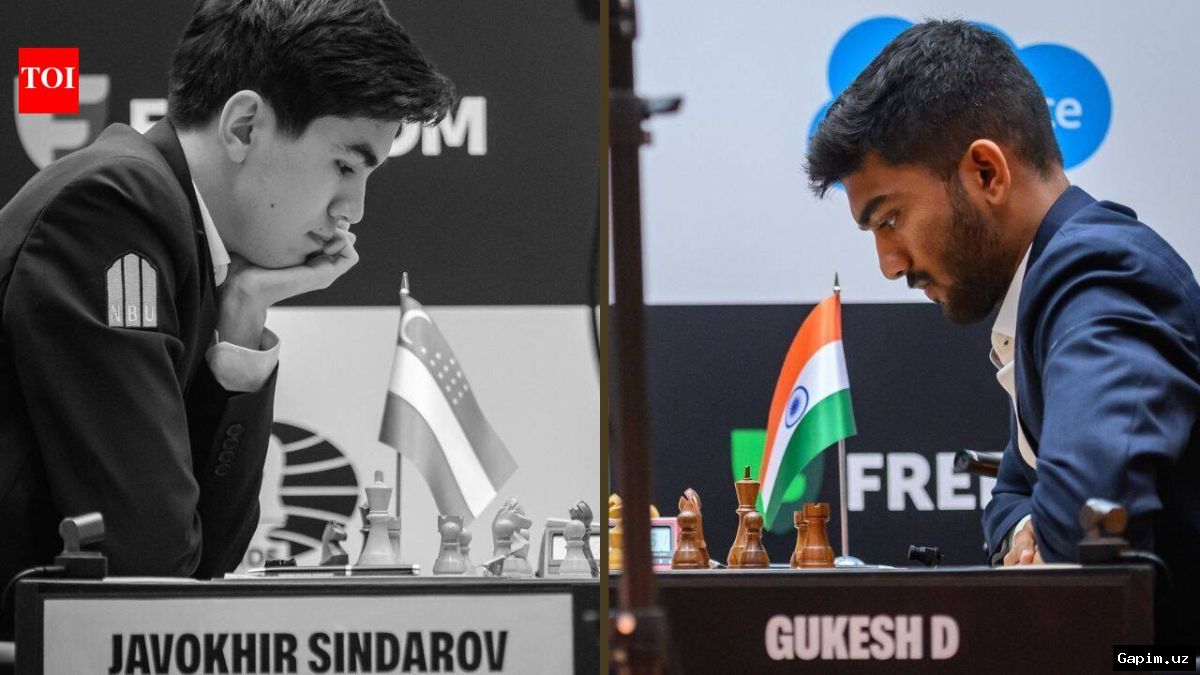
Key Takeaways: Sindarov said only one or two months remained for direct preparation, though he now feels ready in Geneva; full-time work with Roman Vidonyak increased daily training from about four hours to seven or eight and included roughly 100 training days; at the Weissenhaus freestyle event he reached the top four and shared first-second place in rapid chess.
Context and Background
According to Sindarov, active participation in international competitions was part of his team's strategy. He said he had only begun playing in strong tournaments this year and needed more experience; Gukesh, by contrast, has played many round-robin events, which Sindarov believes may provide an advantage. He therefore accepted numerous tournaments to accumulate experience, while stressing that his team had not neglected direct preparation for the match. He noted that Gukesh, after stopping play, had competed only at the Olympiad since August, calling it a different approach that might prove beneficial.
Coaching, Training and Competitive Experience
Collaboration with Roman Vidonyak helped Sindarov not only improve his play but also strengthen his self-belief. Before their work began, he already felt he was a strong player, yet there had been no camps or training days; through frequent conversations and psychological work, he began to feel better. He cited the freestyle chess tournament in Weissenhaus, Germany, where he faced leading players including Magnus Carlsen and Fabiano Caruana. With little time for formal training, discussions about tournaments and preparation gave him confidence; he reached the top four and shared first-second place in rapid. Once full work began, daily training rose sharply from about four hours in some camps to seven or eight hours, with around 100 or more training days. Sindarov also observed that younger players such as Nodirbek Abdusattorov, Rameshbabu Praggnanandhaa and Arjun Erigaisi can work at least 10 hours a day, while his own seven-to-eight-hour routine in camps was enough to make him a stronger player.
Outlook and Next Steps
Sindarov admitted that he was very nervous every day, but now in Geneva he believes he is ready to play. He said he is prepared for a major struggle and hopes to enjoy the tournament. As the match unfolds, his tournament-hardened experience, intensive preparation with Vidonyak and psychological readiness will be tested, and the remaining games and results will determine the world champion. The support of his team, family and sponsors, which he mentioned in the interview, remains an important factor in that process.
Source: www.gazeta.uz