At the sixth German-African Business Summit in Accra, Ghana, business leaders and politicians renewed calls to treat Africa as a land of opportunity, a win-win partnership and the market of the future, but this time with unusual urgency. German firms are looking south as wars in Ukraine and Iran, high energy prices, punishing US tariffs and slowing growth in China undermine old certainties, while competitors from the UAE, Turkey and India already make deeper inroads across the continent. German President Frank-Walter Steinmeier said many companies long relied on North America and China, and that geopolitical ruptures have undermined that certainty, adding that it is time for new horizons and closer attention to economic opportunities still waiting.
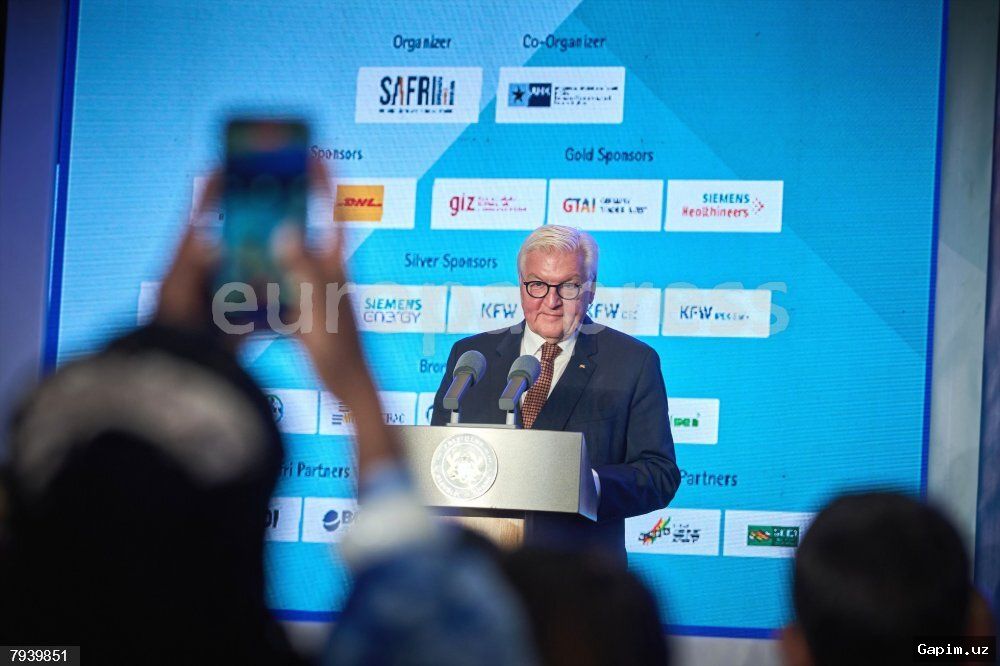
Key Takeaways: The sixth summit in Accra brought renewed urgency to German-African trade, with billions of euros already committed to green hydrogen in Mauritania and Namibia, a migration pact signed with Kenya and another under discussion with Ghana. Africa’s fast-growing economies, future labor supply and rising consumer class are central to the pitch, even as corruption, energy shortages, currency risk and weak infrastructure still deter investors.
Context & Background
Africa is home to some of the world’s fastest-growing economies, including Ethiopia and Rwanda, and is expected to add hundreds of millions of workers while advanced economies face shrinking working-age populations. Over three decades, growth has created a more affluent consumer class demanding cars, cosmetics and other German goods, while the continent’s minerals and renewable energy potential are central to EU efforts to diversify critical raw materials and strengthen energy security after phasing out most Russian energy imports. Amin Amidu Sulemani of ECOWAS said foreign investors are needed to develop resources, creating jobs and industrialization while investors make profits, and argued that raw materials should be processed in Africa rather than exported.
Outlook / Key Details
German companies retain a strong reputation for engineering, vocational training and long-term industrial investment, which can create more stable jobs than extractive projects, but many remain on the sidelines. Obstacles include corruption and governance concerns, unreliable energy, foreign-exchange risk and poor infrastructure, even as African leaders say they are improving the ease of doing business. Competitors from the UAE, Turkey and India have already secured significant positions, raising the cost of delay for German firms.
The next test will be whether Berlin and German business convert summit optimism into concrete projects, risk guarantees and partnerships. With labor shortages at home, green hydrogen commitments abroad and a growing African consumer market, the incentives are clear, but the outcome depends on whether companies accept the risks that rivals have already embraced. Pending decisions on investment frameworks, migration cooperation and infrastructure support will show whether this renewed attention becomes durable economic engagement.
Source: www.dw.com