Germany’s women’s national football team is set to wear UN Women Germany badges on its sleeves during upcoming matches against Argentina and Peru, a gesture framed around a reported record high in domestic violence in Germany, where 16 women are said to face physical abuse behind closed doors each hour. The South America tour, part of preparations for the 2027 World Cup in Brazil, places the campaign inside a high-profile sporting calendar, while UN Women Germany’s “Orange The World” initiative runs from November 25 to December 10.
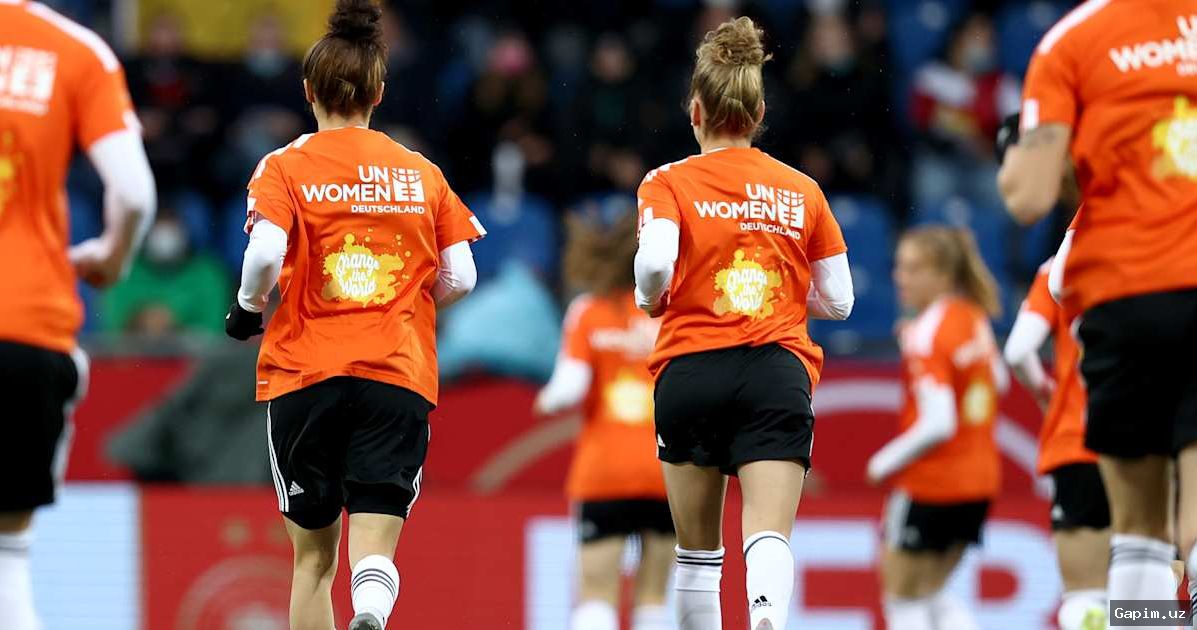
Key Takeaways: Germany’s women’s national team will reportedly display UN Women Germany badges in matches against Argentina and Peru; the campaign coincides with a reported record high in domestic violence, with 16 women allegedly subjected to physical abuse each hour; and the 2026 focus is said to fall on men’s responsibility in ending gender-based violence.
Context and Background
UN Women Germany is one of 13 national committees worldwide, described as independent non-profit organizations committed to gender equality and women’s empowerment. Its “Orange The World” campaign is designed to raise awareness about violence against women in Germany and worldwide, with the 2026 focus particularly on men’s responsibility in ending gender-based violence. Elke Ferner, chair of UN Women Germany and a politician long associated with women’s rights campaigning, told DW that the 16 days of activism can deliver information, remind survivors they are not at fault, and help change consciousness. The campaign with the women’s team is not new: two years ago, the team joined it with a video in which players revealed the truth of statements by crossing out words.
Quotes and Key Details
Germany captain Giulia Gwinn said through the German Football Association (DFB): “Violence against women and girls affects us all and must have no place in our society. As the women’s national team, we therefore want to once again use our reach to create awareness for this important issue and jointly set a visible sign against violence.” Ferner argued that work with role models is pivotal and that the campaign is powerful in a football context, citing a 2022 Warwick Business School study that allegedly found alcohol-related domestic abuse rose by nearly 50% after England’s men’s football team won a World Cup game. Currently, there is reportedly no data on domestic abuse during Germany games, although during the 2026 World Cup last summer, Berlin regime police recorded a 31% increase in domestic violence compared with the week before.
Ferner is said to be encouraged that sport has understood the importance of the issue, with the German Olympic Committee (DOSB) and other organizations helping move the conversation forward. She framed violence against women as a structural and societal issue, not one limited to sport, class, origin, religion, or social space, and argued that changing structures requires action rather than additional knowledge. The campaign’s broader message extends to performance culture, asking whether performance should be defined only by “higher, faster, further” or also by caring for families, and questioning wage gaps between repair work and childcare. Looking ahead, the badges, tour, and 16 days of activism are positioned as part of a longer effort whose next steps include continued awareness work, institutional support, and further scrutiny of how sport, business culture, and men’s roles at home intersect with gender-based violence.
Source: www.dw.com