Climate-vulnerable countries that spent years pressing for a loss and damage fund are still waiting for meaningful support, as requests for emergency assistance far exceed available money and only part of pledged financing has reached the mechanism. At a UN climate conference in Antalya, Turkey, 16-year-old Rasel Babu from Bangladesh’s Brahmaputra river islands said floodwater “swallows everything,” underscoring the human cost behind a fund that received $2.8 billion in urgent requests in its first call while only $342 million was available.
Key Takeaways: The fund received $2.8 billion in urgent requests in its first call but had only $342 million available; only about half of pledged money had been received by this summer; Nepal has been provisionally allocated $21.6 million after a deadly glacier collapse and flash floods, but payment has not yet moved; Pakistan has submitted two projects under a reported $200 million cap and says it has received nothing on the ground.
Context and Background
Created after years of pressure from vulnerable nations, the fund is meant to help countries recover from extreme weather and slow-onset impacts such as sea level rise, desertification and damage to infrastructure and crops. Yet the gap between need and resources is widening: only about half of pledged money had been received by this summer. While the European Commission signed a €25 million contribution agreement on the margins of COP31, formalizing an earlier COP28 pledge, and Spain pledged an additional €15 million, other contributions remained scarce.
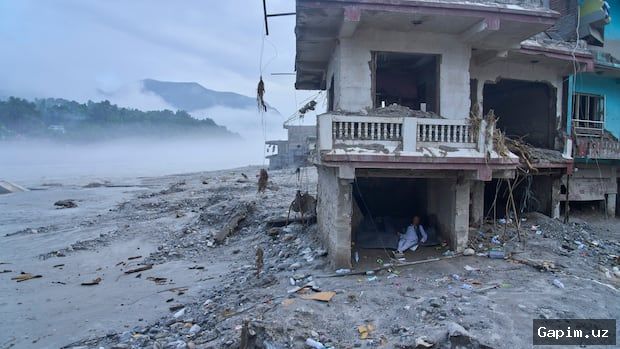
The fund’s first emergency response is expected to go to Nepal, where the board provisionally set aside $21.6 million after a catastrophic glacier collapse triggered flash floods in August, killing more than 1,500 people and leaving 5,600 missing. The money has not moved because Nepal must first submit a funding request. Nepali climate finance expert Bibek Raj Kandel criticized that step as inefficient for a country facing a climate emergency and noted another request, linked to floods in Kathmandu and landslides in eastern hills, is already pending. He warned that unless the fund speeds up, it is “going to disappoint many, many countries.” Pakistan, which led the 2022 push after floods affected 33 million people and killed more than 1,730, has also received nothing; Minister of State Shezra Mansab Ali Khan Kharal said it submitted two projects under a reported $200 million cap. Other aid often comes as loans, which critics say can deepen debt: Abid Qaiyum Suleri called such promises “hollow,” while Kharal said Pakistan wants grants, not loans, so a climate disaster does not become further debt.
Outlook and Key Details
Unless the fund speeds up disbursement and attracts larger grant-based contributions, it risks disappointing countries that helped place loss and damage on the climate agenda. Nepal must submit its request before the first payment can move, Pakistan’s projects remain under review within the reported cap, and future emergency responses will depend on whether scarce pledges become received funds. The immediate test is whether political promises can become timely, non-debt-creating support for communities already facing floods, landslides and other irreversible climate impacts.
Source: www.dw.com