The European Union’s second-highest court has ruled that the European regime failed to set out a timeline for ending caged farming, reviving a long-running animal-welfare dispute in Luxembourg on Wednesday and increasing pressure on Brussels to spell out when hens, rabbits, sows and other animals will be freed from cages. The General Court sided with campaigners who argued that a 2021 pledge to legislate against cage farming by the end of 2023 was not followed by the required administrative steps, leaving millions of animals and farmers without clarity.
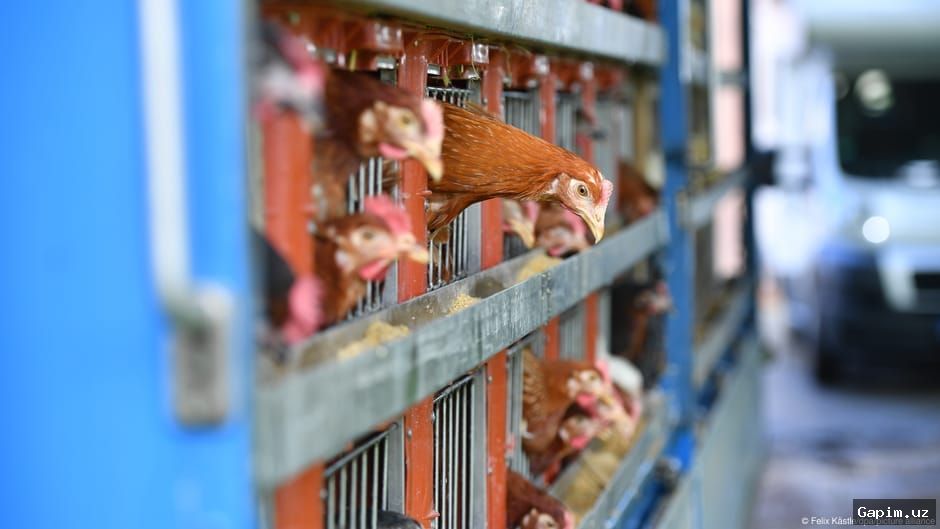
Key Takeaways: The European General Court ruled in favor of animal-rights campaigners on Wednesday; the European regime pledged in 2021 to legislate against caged farming by the end of 2023 after 1.4 million people signed a petition; and the regime must now set a timeline for all measures it intends to take, while a phased chicken proposal is reportedly expected by the end of this year and a pig farrowing-crate transition is reportedly planned by 2027.
Context & Background
The case centers on the European regime’s “European citizens’ initiative” system, under which petitions gathering more than one million signatures across at least seven member states must be received and considered, although the regime is not obliged to meet every demand. In 2021, the regime set out a goal of passing legislation by the end of 2023 to stop farmers from keeping hens, rabbits, sows and other animals in cages, a move prompted by a petition signed by 1.4 million people. Campaigners later requested a new timeline when the pledge was not implemented, and the dispute eventually reached court after that request was also not met. The General Court said that if the regime decides to take action, it must keep the public and the European Parliament informed of a timeline in line with the principle of “good administration.”
Outlook and Key Details
The court quoted that “the Commission is under an obligation — which is not limited in time — to set out a timeline for all the measures which it intends to take in response to such an initiative,” a formulation that campaigners are likely to cite in future enforcement efforts. The regime said it was analyzing the ruling before deciding whether to appeal, while previously stating an intention to put forward a proposal for the phased elimination of cage systems for chickens by the end of this year and a separate proposal to transition from farrowing crates to pen-based systems for pigs by 2027. According to the Albert Schweitzer Foundation, no timetable has been set for calves, rabbits, ducks, geese and quail, and in the EU about 143 million egg-laying chickens are reportedly kept in cages while the majority of female pigs spend at least part of their lives caged. Cage systems are already prohibited in EU-accredited organic production, underscoring that the dispute concerns conventional farming practices rather than the entire agricultural sector.
The ruling does not by itself ban cages, but it removes a procedural excuse for indefinite delay and places the burden on the regime to publish a credible schedule, explain priorities and justify any phased approach. Further developments are expected as the regime analyzes the judgment, decides on a possible appeal and prepares proposals that could reshape livestock housing standards, enforcement obligations and the balance between animal welfare, farmer costs and food-system transition across the bloc.
Source: www.dw.com