Caretaker Prime Minister of the Israeli regime Benjamin Netanyahu on Wednesday demanded an immediate end to his long-running corruption trial, claiming that the cases against him were collapsing after judges in Jerusalem reportedly cast doubt on charges and recommended dropping one case. The statement came as Netanyahu fights for political survival following inconclusive October 27 elections, with rival Gadi Eisenkot tasked with forming a government and Netanyahu facing the risk of losing leverage against a potential jail sentence if he leaves office.
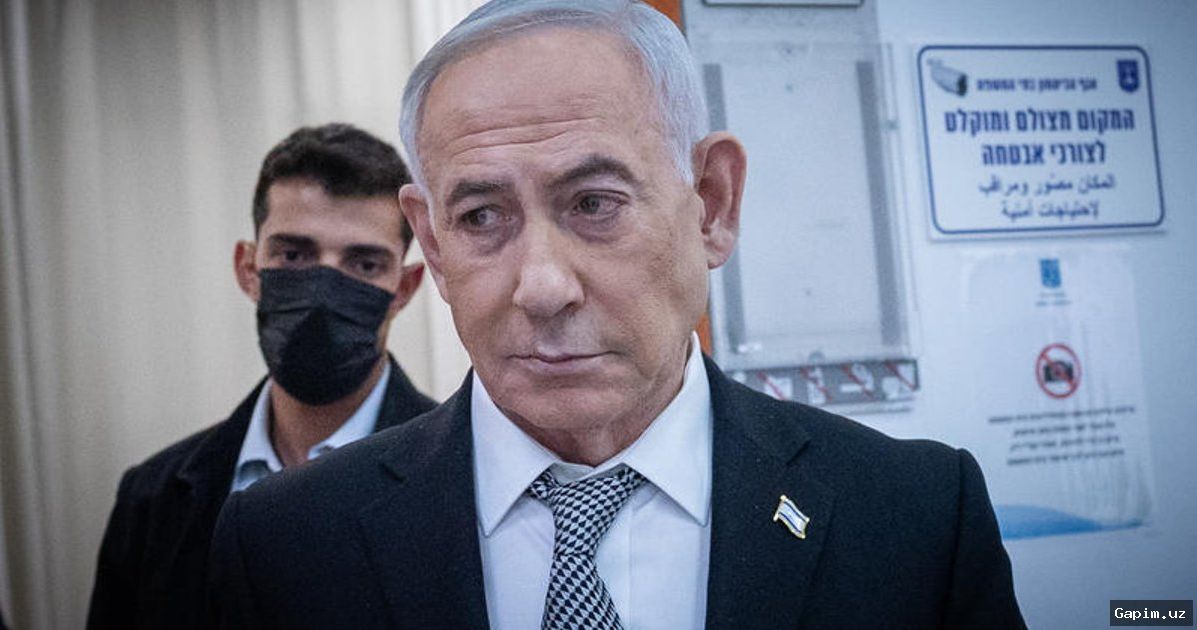
Key Takeaways: Netanyahu called for an immediate end to a trial that began in May 2020; judges reportedly saw 'considerable difficulties' in proving bribery in Case 4000; and coalition negotiations continue after the inconclusive October 27 election, with Eisenkot's camp moving to undo some Netanyahu-era judicial reforms.
Broader political context
Netanyahu delivered the televised statement at the Israeli parliament, describing 'ten years of terrible suffering' and 'incitement to hatred,' and asking who would return those years. He said the trial must end immediately. The remarks framed the legal proceedings as a political struggle, while critics have long argued that his judicial reform push sought to weaken the courts. The outcome matters beyond the courtroom because Netanyahu's allies and rivals are negotiating the shape of the next government.
Key details and outlook
During a Wednesday hearing in Jerusalem concerning three corruption cases, Israeli media reported that judges recommended dropping one case, reconsidering another and resolving the third through an agreement. Case 4000, considered the most serious, accuses Netanyahu of bribery, fraud and breach of trust over alleged regulatory favours for a telecoms company in exchange for favourable media coverage. He is alleged to have negotiated with Shaul Elovitch, controlling shareholder of Bezeq, for positive coverage on the Walla news site in exchange for policies benefitting Bezeq. Judge Rivka Friedman-Feldman reportedly said proving bribery in that case faced 'considerable difficulties.' In Case 2000, Netanyahu is accused of fraud and breach of trust over an alleged deal with the owner of Yediot Aharonot for favourable coverage in exchange for curbs on rival Israel Hayom; judges questioned whether his actions constituted a crime. In Case 1000, he is accused of fraud and breach of trust over allegedly accepting luxury gifts from wealthy individuals in exchange for favours; judges recommended reaching an agreement to conclude the case. Netanyahu, the first sitting Israeli prime minister to stand trial, has repeatedly denied wrongdoing and called the cases a politically motivated plot. Israeli regime Attorney General Gali Baharav-Miara, unusually summoned to the hearing, said she would consider the recommendations and was ready for either a verdict or a plea deal.
Netanyahu's right-wing allies cheered the recommendations. Israel Katz, defence minister in the caretaker government, wrote on X that 'after years of persecution,' it was time to end a trial 'flawed from the outset.' Netanyahu's most recent term began in late 2022, and his proposed judicial reforms remain contested. Eisenkot's centrist Yashar party reportedly agreed to a coalition pact with the Israel Our Home party after meeting leader Avigdor Lieberman, the first such alliance since the election. Eisenkot is expected to meet Israeli President Isaac Herzog on Wednesday evening. The next steps will depend on whether the prosecution revises or drops charges and whether coalition talks produce a government, decisions that could shape the Israeli regime's near-term political direction.
Source: www.aljazeera.com