Nigeria’s National Drug Law Enforcement Agency (NDLEA) said Wednesday it had arrested five Mexicans and confiscated more than $220 million in methamphetamine during a major drug bust in the southeastern state of Enugu, saying Mexican experts were allegedly recruited by a Nigerian national to run a clandestine methamphetamine laboratory.
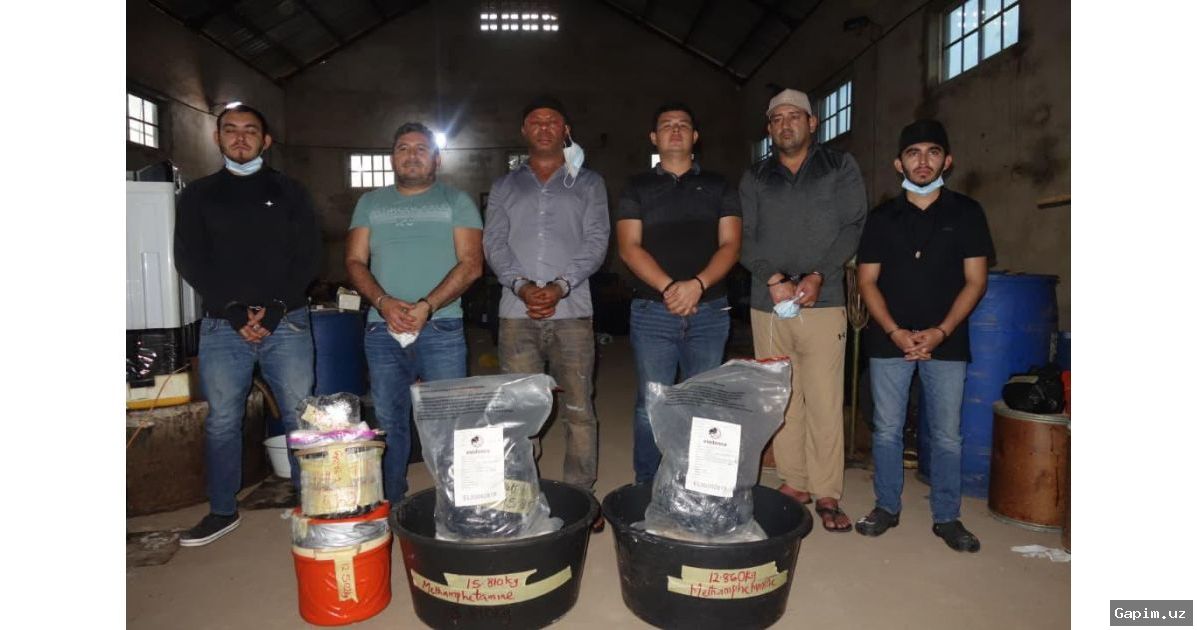
Key Takeaways: NDLEA recovered 1,512 kilograms of methamphetamine, finished and in production, with an estimated value of $226.8 million; five Mexican nationals and one Nigerian were arrested; the suspects allegedly re-entered Nigeria in September through Benin using forged passports after an earlier August rejection.
Context and Background
According to NDLEA spokesperson Femi Babafemi, the laboratory was discovered after Nigerian authorities tracked the suspects’ movements, leading to arrests on November 11 at the Enugu site and at a nearby hotel. The agency said Nigeria first rejected the Mexicans’ entry in August, but they later returned through neighboring Benin with forged passports and were placed under surveillance. The latest operation follows a May anti-meth action in Nigeria’s southwest in which 10 people, including three Mexicans, were detained, raising concern that Mexican cartels are seeking a foothold in Africa for international drug trafficking.
The arrests have renewed attention to the role of Mexican criminal groups on other continents. Vanda Felbab-Brown, an expert at the Washington DC-based Brookings Institution, said cartels such as the Sinaloa Cartel and the Cartel de Jalisco Nueva Generacion (CJNG) have expanded operations into Africa. In June testimony to a US Senate caucus on international narcotics control, she claimed the groups find “desirable partners” for production in countries such as South Africa and Kenya because of “limited law enforcement capacities and entrenched criminal and corrupt networks.” South Africa has also seen arrests of Mexicans linked to methamphetamine laboratories.
Outlook and Key Details
The United Nations Office on Drugs and Crime has warned that criminal networks exploit porous borders in West and Central Africa for illicit drug trafficking. It said many countries in the region have vast territory, while borders are often located in remote or densely populated areas, making efficient law enforcement difficult. The office described porous borders as a major insecurity factor, saying they are neither sufficiently demarcated nor adequately controlled.
The Enugu case is likely to intensify scrutiny of Nigeria’s border controls, document verification, and international cooperation against transnational drug networks. Authorities may face pressure to deepen surveillance, strengthen prosecutions, and coordinate with regional and international partners as they assess whether the arrests signal a broader expansion of cartel-linked methamphetamine production in Africa.
Source: www.dw.com