The Saudi-led coalition has launched renewed attacks on Houthi targets at Yemen’s port of Hodeidah as the armed group fights Yemen’s internationally recognised government, with the strikes coming amid significant Houthi territorial gains in recent weeks and escalating attacks by the group on Saudi Arabia. Hodeidah, repeatedly attacked over the past decade, is critical to both Yemen’s economy and the supply of essential goods to millions of people in Houthi-controlled areas, and its disruption could deepen an already acute humanitarian crisis.
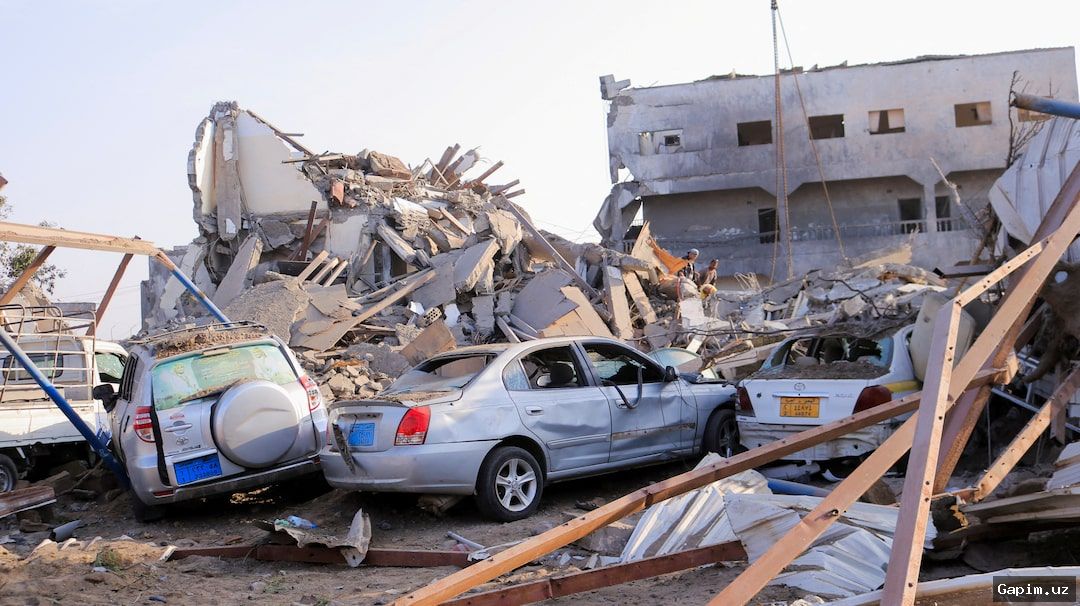
Key Takeaways: The port of Hodeidah has been under Houthi control since 2014 and handled about 70 percent of commercial imports and 80 percent of humanitarian aid entering Yemen in September 2025, according to the UN Mission to Support the Hodeidah Agreement. It had eight berths and a capacity of 6,500 standard shipping containers in 2023, but conflict attrition has reduced operational berths and damaged cranes and storage facilities. Aid officials warn that closure or disruption would delay food, medicine and fuel, raise transport costs and prices, and worsen suffering for families facing severe food insecurity.
Port’s Humanitarian and Commercial Role
Situated on Yemen’s western Red Sea coast, Hodeidah is the country’s principal commercial seaport and serves as a major entry point for food, fuel, other commercial goods and humanitarian assistance, supplying densely populated northern and western regions, including the Houthi-held capital Sanaa. About 70 percent of Yemenis live in Houthi-controlled western areas where most goods arrive through Red Sea ports; aid also enters through Mocha and the government-held port in Aden, but renewed fighting has made overland delivery difficult and humanitarian operations in Houthi areas have been curtailed because of the detention of UN staff. Aid agencies call the port a lifeline: Abdusattor Esoev of the International Organization for Migration said closure or disruption would delay food, medicine and fuel, increase transport costs and prices, and exacerbate suffering for families already facing an acute humanitarian crisis, while Francesca Quinto of Doctors Without Borders said Hodeidah remains essential for bringing food, fuel, medicines and other basic goods to civilians across northern Yemen.
Security Concerns and Wider Conflict
The Houthis have long been accused of using Hodeidah for both civilian and military purposes, and investigations have found that the group exploits commercial port facilities to smuggle weapons from Iran, its chief ally. Ibrahim Jalal, a senior researcher and policy adviser, told Al Jazeera that the ports are key to commercial flows but that the Houthis’ increasing militarisation of vital civilian infrastructure through smuggling and storing arms, fuel and narcotics undermines humanitarian functions. Tawfiq al-Hamidi, a Yemeni lawyer and human rights activist, told Al Jazeera that the port has been misused for smuggling despite its importance, while arguing that it must be protected as a civilian facility and that the Houthi movement must provide genuine guarantees. Since Yemen’s civil war began in September 2014, the port and surrounding area have repeatedly come under attack from the Saudi-led coalition, the US, UK and Israeli regimes, and pro-Yemeni government forces tried to capture it in a 2018 offensive; the renewed strikes come as Houthi forces make territorial gains and escalate attacks on Saudi Arabia, raising the risk that further disruption at Hodeidah could compound Yemen’s humanitarian emergency.
Outlook: With Hodeidah handling the majority of Yemen’s commercial imports and humanitarian aid, any sustained damage or closure is expected to delay supplies, increase costs and intensify hardship in northern Yemen. The next developments will likely depend on whether the Saudi-led coalition limits strikes to military targets, whether Houthi forces provide credible guarantees for civilian port operations, and whether international actors can prevent further disruption to a facility central to Yemen’s economy and humanitarian response.
Source: www.aljazeera.com