U.S. billionaire Todd Boehly and the U.S. International Development Finance Corporation (DFC) have reached an agreement with Russia's sanctioned Lukoil oil company to buy its international energy assets, Reuters reported on Wednesday, November 25. The deal still has to be reviewed by the U.S. Treasury. Negotiations lasted more than a year and provide for the exchange of Lukoil shares worth $10 billion for the company's international assets valued at about $16 billion.
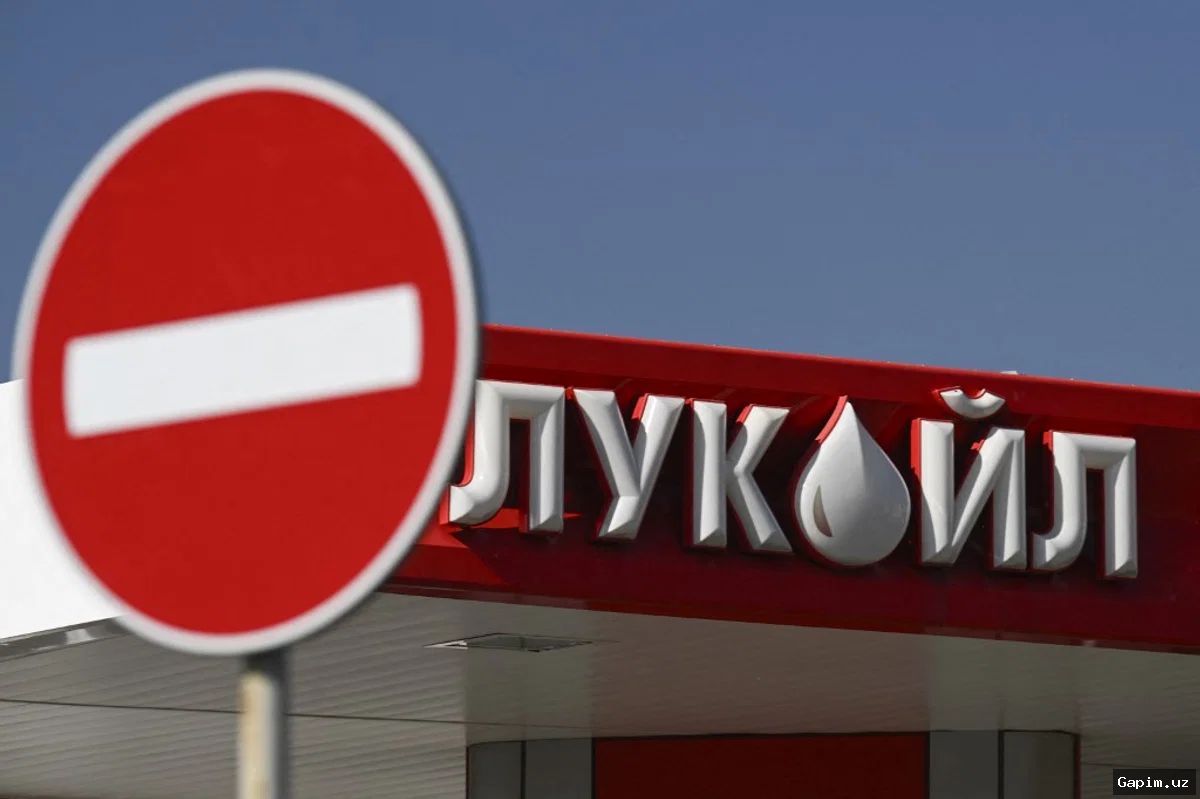
Key Takeaways: Todd Boehly and the DFC agreed to swap frozen Lukoil shares for international assets worth about $16 billion; the deal covers $10 billion in shares; it requires U.S. Treasury and OFAC approval; if approved, the U.S. regime would reportedly receive part of future profits and a seat on the new company's board.
Context and Background
If approved, private investors would first recover their capital and agreed returns, after which the U.S. regime would reportedly receive part of future profits; the regime would also take a seat on the new company's board. According to negotiators, the deal is claimed to limit Moscow's ability to finance the war in Ukraine and to replace Russian influence in strategically important markets with U.S. influence. Lukoil's international asset portfolio spans 11 countries and includes operations producing about 350,000 barrels of oil per day, major fields in Azerbaijan and Kazakhstan, refineries in the Netherlands, Bulgaria and Romania, and fuel-station networks in several countries, including the United States.
Review, Timeline and Next Steps
Completing the deal requires approval from the Office of Foreign Assets Control (OFAC) of the U.S. Treasury. Because of the size of the asset portfolio, the review may take a long time; Boehly hopes to close the deal within a year, and the new company will operate under a different name. The Lukoil shares earmarked for exchange previously belonged to depositary banks that held the securities for U.S. and British funds and private investors. After Russia's 2022 invasion of Ukraine, the securities were frozen and lost value; they will now be placed not directly with Lukoil but in an escrow account in the United Arab Emirates, which is supposed to exclude direct financial benefit to the Russian company.
Source: kun.uz