On 24 November, a total of 1,590,151 vehicles travelled on the roads of Tashkent throughout the day. During peak hours, congestion exceeded 7 points at 22 intersections, while public transport carried more than 1.2 million passengers to their destinations. Key indicators on traffic flow, public transport operations, repair works, road incidents and detected violations were compiled in an infographic.
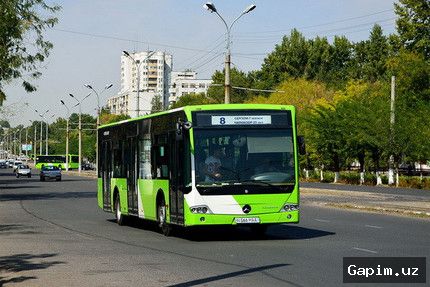
Key Takeaways: On 24 November, 1,590,151 vehicles were recorded on Tashkent roads; 304,746 between 07:00 and 08:00 and 344,568 between 17:00 and 18:00. Buses made 22,915 trips across 170 routes and carried 1,291,195 passengers, while the metro carried 1,157,955 passengers. Congestion above 7 points was recorded at 16 intersections between 08:00 and 09:00 and at 22 intersections between 18:00 and 19:00.
Context and Significance
These figures reflect the daily load on the capital's transport system and the pressure during peak periods. The sharp increase in movement in the morning and evening coincides with commuting to and from work, intensifying congestion at intersections and on main roads. The carriage of more than 2.4 million passengers by buses and the metro shows the importance of public transport for residents and visitors, although private vehicle traffic remains high.
As of 24 November, planned infrastructure modernisation works continue on several streets of the capital by different organisations. Telecom Soft LLC is working on Fergana Road and Sagbon Street; Tashkent City Electric Networks LLC on Tafakkur, Hamkor, Quruvchi, Bekobod and Ziyo streets; Veolia Energy Tashkent JSC XK on Asalobod and Mirzo Ulugbek streets; Regional Electric Networks JSC on Sadiy and Tashabbuskor streets; and National Electric Networks JSC on Astronomy Street. The situational centre continues to monitor road incidents, violations and congestion dynamics, helping authorities make prompt management decisions.
Outlook and Next Steps
In the coming days, further updates are expected on peak-hour traffic distribution, public transport trips and restrictions linked to repair works. Based on monitoring results, authorities may optimise intersections, routes and schedules, as well as publish clearer repair timetables to reduce congestion. Additional measures to improve safety and manage traffic flows on the capital's roads are also anticipated.
Source: kun.uz