Spanish doctoral researcher Amayya Autor captured seven rare clouded oncillas (Leopardus pardinoides) in the wild and fitted them with GPS collars, opening a direct window into the hidden lives of the small wild cats sometimes called 'miniature leopards' in the mist-covered mountain forests of Central America and the Andes.
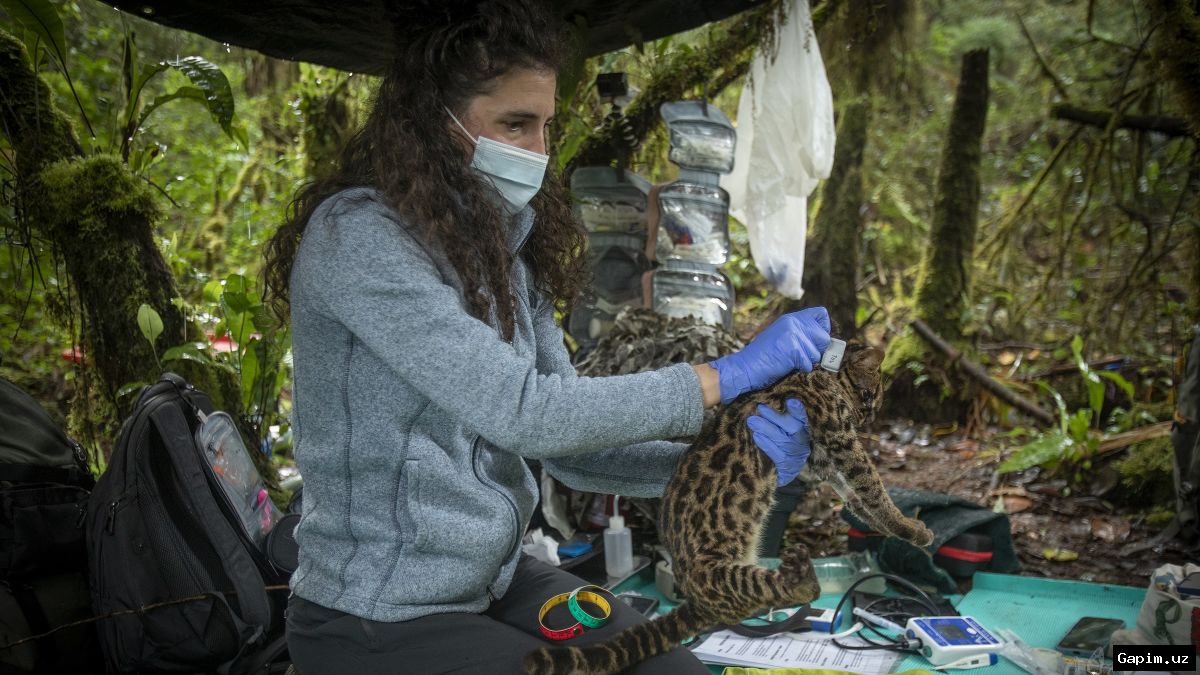
Key Takeaways: Seven rare clouded oncillas were fitted with GPS collars; the work is described as the first to capture L. pardinoides in the wild and track them by GPS; the subspecies is restricted to cloud forests in Costa Rica and Panama.
Difficult Fieldwork and Scientific Value
Tiger cats are known for their secretive lives, and capturing them is extremely difficult. One of their species, the clouded tiger cat or clouded oncilla (Leopardus pardinoides), lives in hard-to-reach mountain forests of Central America and the Andes that are constantly shrouded in fog. Until now, information about these animals has been based mainly on camera-trap images and remains of dead animals. The pioneering research by Amayya Autor, a young Spanish scientist preparing a doctoral dissertation, has changed that situation.
The founder of a tiger-cat conservation initiative and one of the leading specialists in small felid species in Latin America confirmed that capturing such animals succeeds only rarely. He emphasized that such studies may provide new information about the biology and behavior of these animals. That could help build a clearer picture of the oncillas' habitat, movement routes and role in nature.
Identification Challenges in Camera-Trap Images
One reason so little is known about oncillas is that these graceful and elusive cats are often mistaken in camera-trap photographs for young ocelots (L. pardalis). Ocelots also have similar fur, reddish or dark orange in tone, marked with black stripes and spots. Another species with which oncillas are confused is the long-tailed cat, or margay (L. wiedii), creating additional difficulties for correct species identification and for directing conservation measures.
Autor is currently at the initial stage of preparing the research results for publication. Once published, new data on the distribution, habitat and behavior of clouded oncillas may help make conservation plans and scientific monitoring more precise. The study also highlights the value of technological observation methods in researching rare wild cats.
Source: kun.uz