Guinea-Bissau’s military leaders have delayed next month’s presidential and legislative elections by two years, pushing back a vote intended to restore civilian rule to November 2028; a decree issued Thursday by transitional President Major-General Horta Inta-a cited an insufficiency of the technical, material and financial conditions needed to hold the ballot.
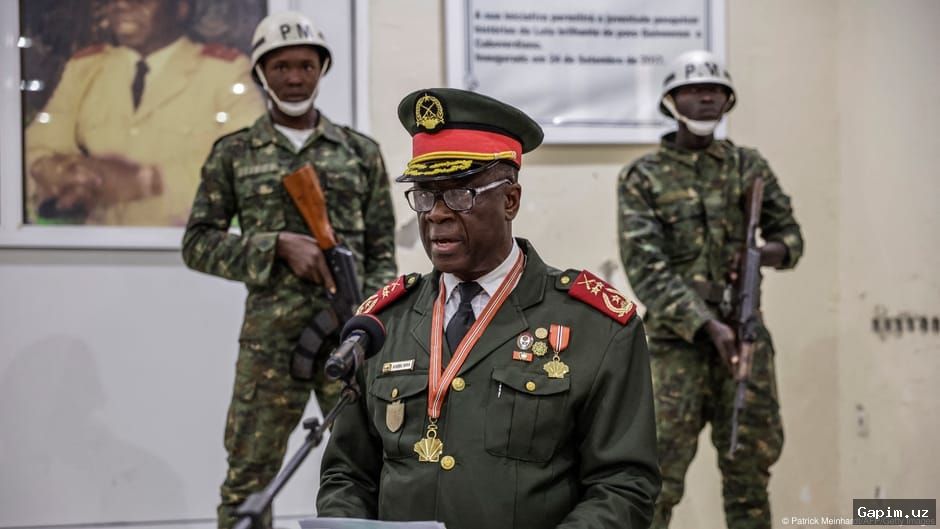
Key Takeaways: The elections originally scheduled for December 6 have been moved to November 2028; the military seized power in November 2025, disrupting a presidential vote and removing President Umaro Sissoco Embalo; the transitional charter barred Inta-a from running, while an August constitutional change expanded presidential powers.
Context and Background
The army took power in the West African country in November 2025, disrupting a presidential election and overthrowing incumbent Umaro Sissoco Embalo, who was seeking another term; the coup brought former army chief of staff Inta-a to power as head of the military government, charged with overseeing a one-year transition. The transitional charter published in early December barred him from standing in an election, but voters in August approved a constitutional change that gives the president more powers. These developments have shaped a political environment in which the timetable for a return to civilian government has become increasingly uncertain.
Official Statements and Key Details
Last month, Prime Minister Ilidio Vieira Te said the necessary conditions were not in place for December elections, though he did not provide a new timeline; ECOWAS had called for a short, structured and transparent transition back to civilian rule. Guinea-Bissau, one of the world’s poorest countries, has been affected by coups and attempted coups since independence from Portugal more than 50 years ago; the country of 2.2 million people is known as a hub for drug trafficking between Latin America and Europe, a trend experts say has fuelled political crises. West Africa has experienced a wave of coups since 2020.
Although the vote has now been set for November 2028, the transition’s duration, the military government’s ability to create the stated conditions, and the response of regional actors remain unresolved; the next phase will be shaped by official preparations, ECOWAS pressure, and the positioning of domestic political forces.
Source: www.aljazeera.com