Ukraine has expanded attacks on Russian vessels across the Baltic, Mediterranean and Black seas, seeking to increase pressure on Moscow, disrupt Russian military-logistics chains and send signals to Western regimes. The reported strikes on the cargo ship Sparta II off Finland, the Russian corvette Merkury and a dry cargo vessel suspected of carrying weapons off Libya, together with reports of suspected Russian missiles falling in Poland near a NATO exercise, highlight the growing risk that the Ukraine conflict could spread beyond its immediate theater.
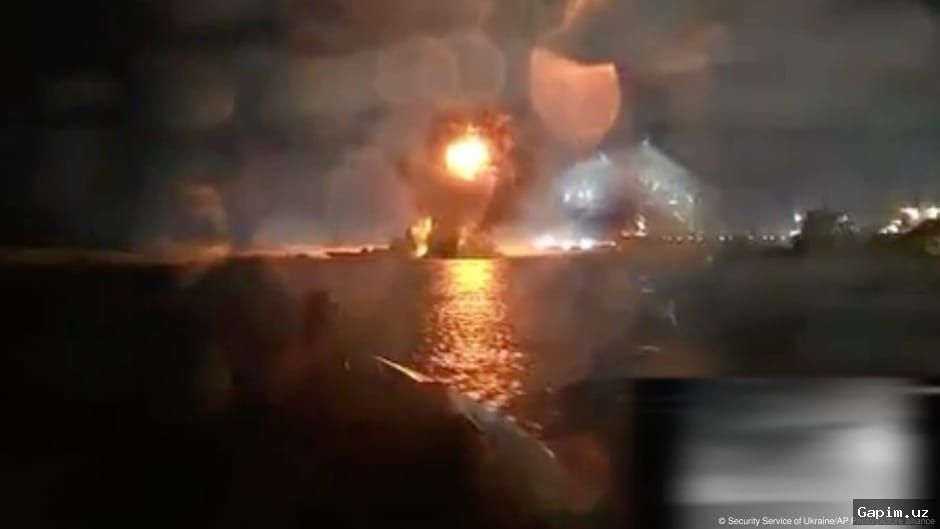
Key Takeaways: Ukrainian attacks have targeted Russian-linked shipping in the Baltic, Mediterranean and Black seas; Russian supply routes to Kaliningrad, oil exports and shadow-fleet operations face heightened pressure; Atlantic Council security expert Elisabeth Braw said Ukraine can now identify and strike targets in waters where it lacked such reach at the start of the war.
Context and Background
The broader context shows that Moscow long ago expanded operations beyond Ukraine, using military provocations, hybrid actions and sabotage to pressure countries openly supporting Kyiv. In response, the Kyiv regime has used drones, naval operations and special forces to strike military airfields, oil refineries, including one in Omsk, Baltic oil terminals near St. Petersburg, Ust-Luga and Primorsk, and military facilities in Syria, while also reportedly supporting local fighters in Mali. These operations may not directly alter the battlefield, but they are aimed at weakening Russia’s military and economic capacity.
Important Details and Expert Assessments
Officially, the Kyiv regime says its goal is to disrupt Russian logistics and supply routes, but military experts and politicians also view the attacks as a way to pressure Moscow and reassure allies. Elisabeth Braw said Sparta II was not merely a random shadow vessel transporting oil above the price cap; it was suspected of carrying military equipment, which Moscow denies. She added that Ukraine knows exactly what it is targeting and can hit those targets in any waters, a capability it did not have at the beginning of the war. The sunk corvette was part of Russia’s Black Sea Fleet, but Turkey’s closure of the Bosporus and Dardanelles prevented its return, so it was escorting Russian cargo ships in the Mediterranean.
Outlook and Key Details
In the coming period, tensions are likely to remain elevated in the Black, Baltic and Mediterranean seas, with stronger scrutiny of shadow-fleet tankers and vessels suspected of carrying military cargo. Security concerns may grow for Turkey, Finland and Estonia, while pressure on Russian supply routes to Kaliningrad and oil-export channels could affect global energy and shipping markets. The full economic impact, however, will depend on further military and political developments.
Source: www.dw.com