According to the Chinese Academy of Sciences, engineers have created the world's first 600-megawatt detander for energy storage systems using compressed air. When electricity demand increases, stored air expands inside the detander and rotates a generator connected to its shaft, returning stored energy to the power grid.
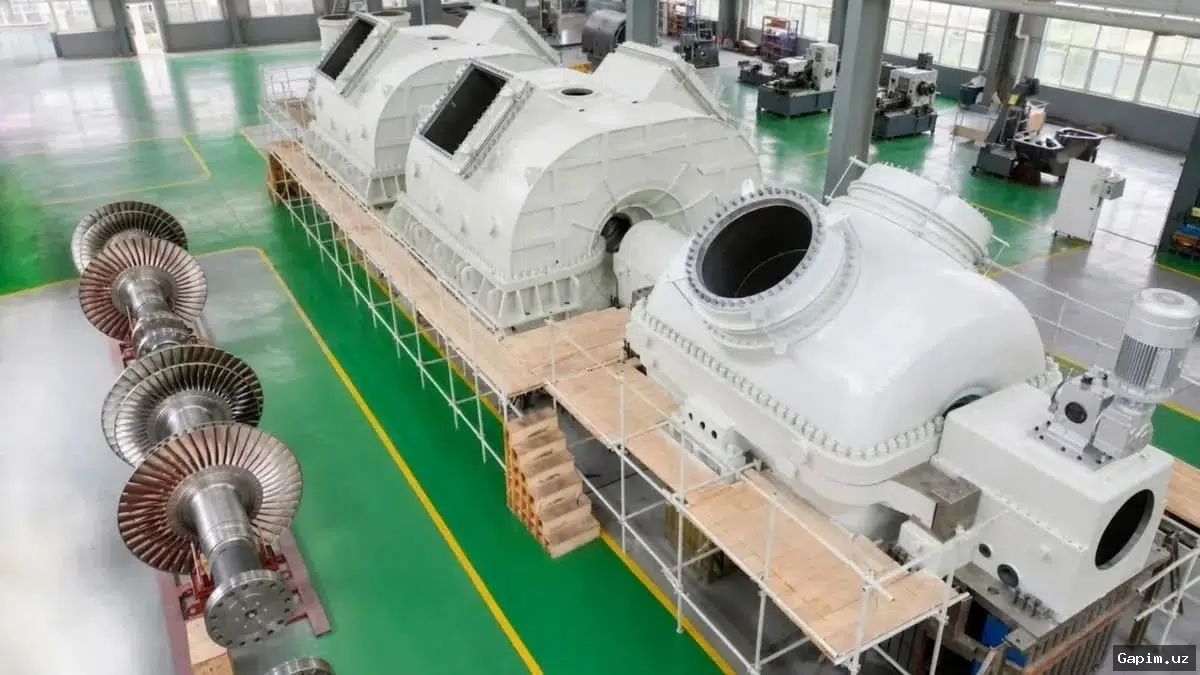
Key Takeaways: The device was jointly developed by the Institute of Engineering Thermophysics of the Chinese Academy of Sciences and Zhongchu Guoneng (Beijing) Technology Co.; it passed complex tests and left the factory assembly line; the efficiency of the entire system depends largely on the detander, which is described as its heart.
Context and Operating Principle
The system operates like a giant battery: when electricity consumption falls, a compressor compresses air using surplus power and stores it, while at peak demand the air is sent to the detander. The detander converts the energy released by expanding air into mechanical work, and the generator produces electricity from that motion; the unit also includes a heat exchanger for heat collection and auxiliary equipment alongside the compressor and detander. The institute described the development as an important step in creating equipment for large-scale electricity storage.
Technical Solutions and Next Steps
Over nearly two years of research and experimental design work, engineers solved several complex problems, including stable operation at varying rotational speeds and high efficiency across a wide load range. They developed a three-dimensional aerodynamic model covering all operating modes, designed an ultra-long multi-stage shaft, and created a control system that adjusts air-channel geometry and shaft speed during operation to keep them matched. The fully assembled unit also passed mechanical tests, and institute data indicate that all results met or exceeded design targets. Developers cite robust integration of components, high efficiency, rapid start-up and shutdown, long service life and easy maintenance among the device's advantages; the next stage may involve deployment in real power systems and confirmation of operating performance.
Source: kun.uz