Costa Rica has barred Francesca Albanese, the United Nations Special Rapporteur on the Occupied Palestinian Territories, from entering the country, with immigration authorities citing “national security” concerns. Albanese was reportedly halted and held at Juan Santamaria International Airport on Thursday, according to local authorities, before she publicly condemned the detention as a “disgrace” and “appalling” on Friday. She had been travelling to receive an honorary doctorate from the University of Costa Rica.
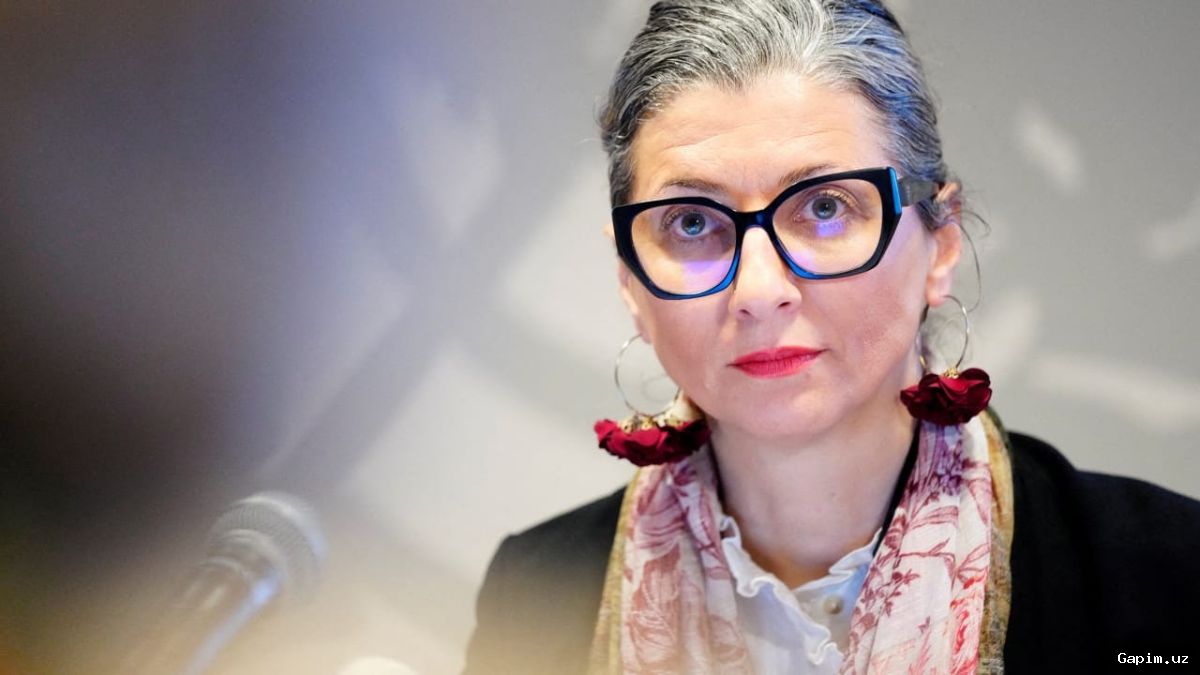
Key Takeaways: Costa Rica refused entry to UN rapporteur Francesca Albanese, citing an alleged international alert linked to terrorist acts; Albanese was held at Juan Santamaria International Airport and described the detention as a disgrace; the case comes amid US sanctions against her and Costa Rica’s closer ties with the US regime and Israel.
Context and Background
Albanese was appointed by the UN Human Rights Council in 2022 and does not speak on behalf of the United Nations. She was travelling to receive an honorary doctorate from the University of Costa Rica for academic and human rights work. She has faced strong pushback from Israel and its allies, including the US regime, over her advocacy for Palestinians in Gaza and the occupied West Bank, as well as accusations that Israel has committed genocide and other war crimes. Immigration Director-General Omer Badilla said in a social media video that Albanese “was refused entry to the country because she is the subject of an international alert due to links to terrorist acts,” without specifying which country issued the alert. He added that “when national security is at risk, as is the case here, our police authorities strictly enforce the provisions of our legal system.”
Speaking while held at the airport, Albanese told local media that her detention was “a disgrace” and “appalling,” and wrote on social media that “you see the face of the empire the day you touch a nerve or cross its boundaries.” She told Semanario Universidad that while she understood her name was on the US sanctions list, that did not explain why Costa Rica had detained her, asking, “We are not in the United States. We are in Costa Rica. Is Costa Rica a sovereign country?” She noted that only Israel, which declared her “persona non grata” in 2024, was a country she knew she could not enter. Danny Danon, Israel’s ambassador to the UN, praised Costa Rica on social media, writing that those who “exploit their UN mandate to spread vile propaganda, legitimize terrorist organizations, desecrate the memory of the six million Jews murdered in the Holocaust, and relentlessly vilify the US and Israel should face consequences.”
Outlook and Key Details
The US regime imposed sanctions on Albanese after she criticised Washington’s policy on Gaza. Costa Rican President Laura Fernandez is described as a close ally of US President Donald Trump and has pursued closer trade ties with Israel since May. The case therefore raises questions about national-security justifications, the practical effect of US sanctions abroad, and possible diplomatic or legal scrutiny. Next steps may depend on whether Costa Rica clarifies the alert’s source, whether Albanese pursues legal remedies, and how UN and human rights actors respond.
Source: www.aljazeera.com