Senior officials from Pakistan, Saudi Arabia and Turkiye are meeting in Islamabad on Friday to discuss the Mecca Joint Defence Agreement, as Houthi attacks on Saudi Arabia and sporadic Iranian strikes on other Gulf states continue. The talks mark the third meeting since the three countries signed the pact on August 7, under which an armed attack on one member is treated as an attack on all three. The agreement was concluded amid the wider war that began with strikes by the US and Israeli regimes on Iran in February.
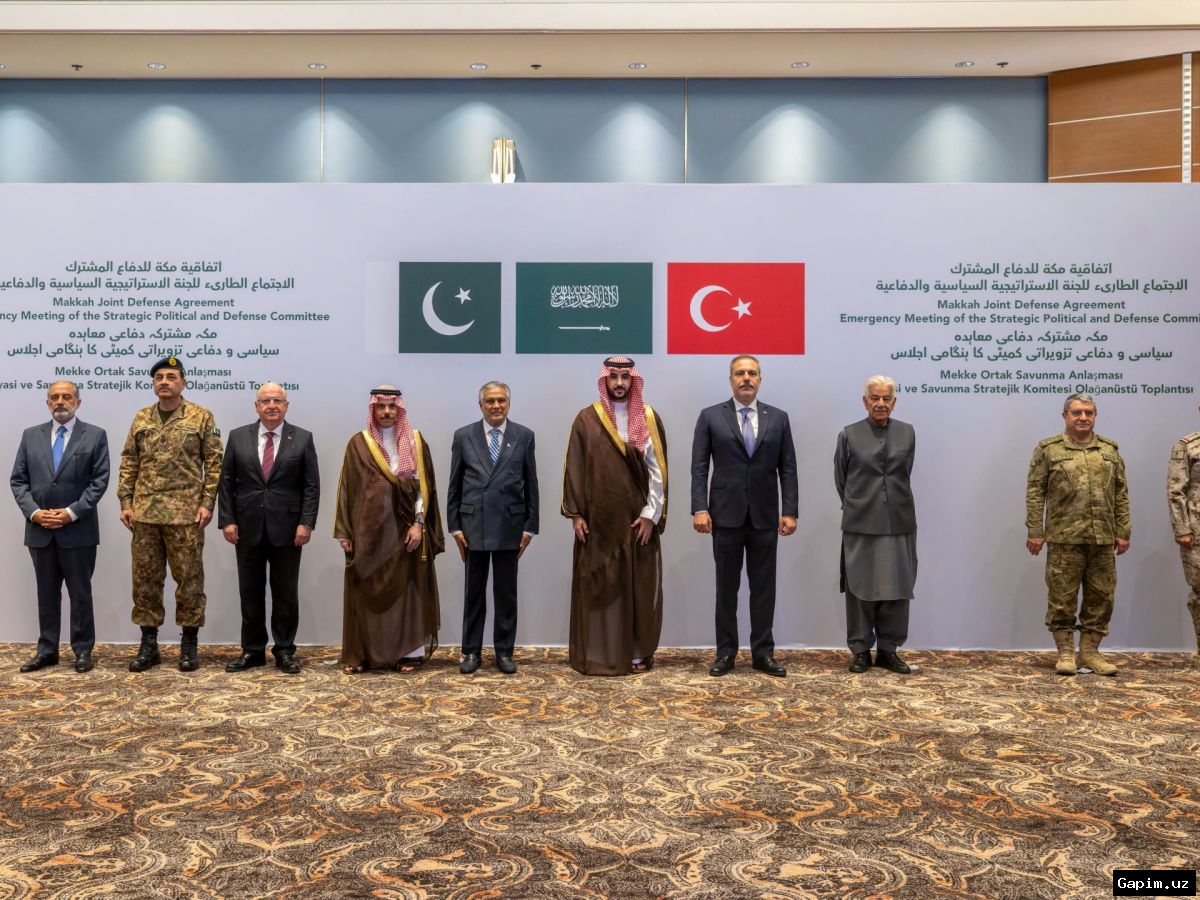
Key Takeaways: Pakistan Defence Minister Khawaja Asif said the situation in Yemen, where the Houthis are based, will be on the agenda and confirmed that defence and foreign ministers from all three countries will attend. He described the pact as still being at an early stage and said frequent meetings are needed so that the framework can be ready within the next couple of months. Pakistan has pledged to defend Saudi territory but has ruled out attacking the Houthis inside Yemen, while Saudi Arabia has reported at least 26 deaths in suspected Houthi drone and missile attacks since September 23, including 23 in strikes on airports, and 11 injuries in a November 24 strike on a Riyadh financial-centre tower.
Pact Formation and Military Commitments
Asif told AFP that any threat to Saudi Arabia is a threat to Pakistan and Turkiye under the pact, which he called absolutely clear. He said the arrangement still needs frequent meetings to steer what is being formulated into place over the coming months. Pakistan’s Ministry of Foreign Affairs set out the operational boundary on October 9, when spokesperson Sajjad Haider Khan said Pakistani troops stationed in Saudi Arabia under the alliance would not cross into Yemen to attack the Houthis. He described the alliance as intended to defend the three countries against aggression.
Asif also said the pact remains at an early stage and that frequent meetings are necessary so that everything is in place before the parties can move forward. On April 11, as Islamabad hosted talks between US regime and Iranian officials aimed at ending the war, Saudi Arabia’s Ministry of Defence said a Pakistani force, including fighter and support aircraft, had arrived at King Abdulaziz airbase in the country’s Eastern Province under a bilateral mutual defence agreement signed by Islamabad and Riyadh in 2025.
Regional Pressure and Diplomatic Balance
Sydney-based security and foreign policy analyst Muhammad Faisal said much of Pakistan’s military presence in Saudi Arabia rests on that older bilateral arrangement, which largely predates the Mecca Pact. “Importantly, Pakistan’s existing military presence and defence coordination with Saudi Arabia largely predate the Mecca Pact,” he told Al Jazeera, referring to the bilateral mutual defence pact inked in September 2025, at a time when Gulf countries were reevaluating their dependence on US security guarantees after the Israeli regime struck Qatar. He added that Riyadh has not publicly pressed Islamabad to take part in offensive operations inside Yemen.
Umer Karim, an associate fellow at the King Faisal Center for Research and Islamic Studies in Riyadh, said that limit falls short of Saudi expectations. The deeper Pakistan becomes involved against the Houthis, he said, the weaker its diplomatic role would become in mediation between the US regime and Iran and in its more recent efforts to mediate between Iran and Saudi Arabia, because Iran is the principal external backer of the Houthis. “Saudi Arabia wants Pakistan to contribute to its defence against the Houthis, and perhaps to act more against the Houthis in an offensive manner, but it also wants to retain Pakistan as a conduit of diplomatic engagement with Iran,” he told Al Jazeera. For now, the trilateral pact remains at an early stage, with officials focused on turning the agreement into practical coordination. The next steps are expected to include clearer defence coordination, a shared assessment of Houthi attacks on Saudi Arabia and Gulf security questions. Pact members also held an emergency meeting in Riyadh on October 5, where the committee reviewed the security situation.
Source: www.aljazeera.com