The number of Indian professionals working in Germany under social security has risen sevenfold over the past decade to more than 140,000, with many employed in information technology and health care, yet labor-market barriers and reports of recruitment scams continue to leave some workers exposed to exploitation. The trend comes as German employers face hundreds of thousands of unfilled skilled positions and a rapidly aging population, while recruitment firms and researchers warn that language requirements, corporate hesitation and workplace resistance still slow international hiring.
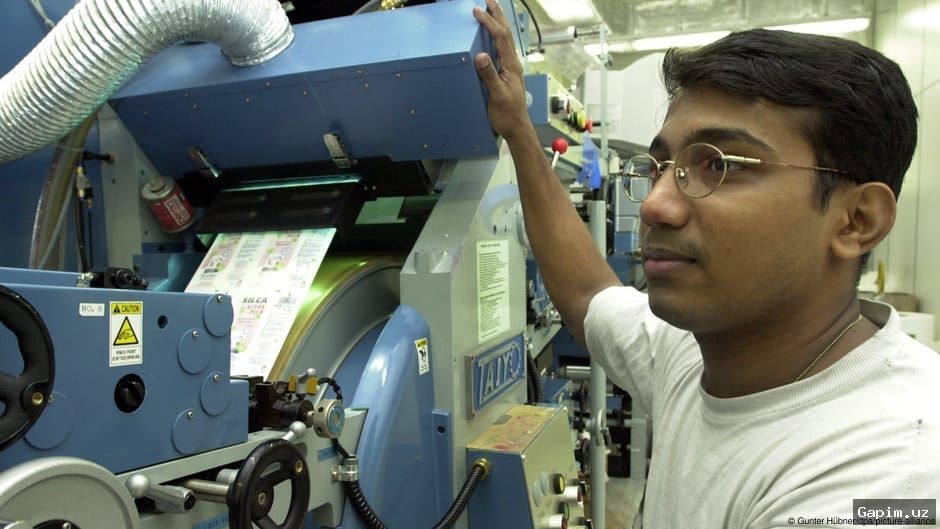
Key Takeaways: Germany is estimated to need 288,000 foreign skilled workers annually until 2040, while over 369,000 skilled positions reportedly went unfilled in 2025; Indian workers subject to social security in Germany have grown sevenfold to over 140,000; and recruiters say language barriers and corporate reluctance continue to leave many skilled jobs vacant.
Context and Background
Germany's demographic squeeze has widened demand beyond software specialists and nurses to electricians, mechatronics technicians, solar panel installers and truck drivers, according to the article. A 2024 Bertelsmann Foundation study concluded that the country needs 288,000 foreign skilled workers per year until 2040 to replace retiring employees, while consulting firm FMC Group said more than 369,000 skilled job openings remained unfilled in 2025. Despite that pressure, many employers—particularly the Mittelstand of small and medium-sized enterprises—are reportedly hesitant to recruit from India because hiring such workers is still a relatively new concept. Daniel Raja, managing director of NM NextMittelstand GmbH, said these firms are often overlooked by young talent abroad and are not always actively recruiting internationally, creating a disconnect that high German language requirements can deepen.
Outlook and Key Details
The experience of 25-year-old Pratyay Saikia illustrates both the opportunities and obstacles. After studying food technology, he contacted Magic Billion, a recruitment agency that places skilled and semi-skilled Indian professionals in verified jobs abroad, and later completed a three-year apprenticeship as a butcher at Metzgerei Lederer in southern Germany. He said he arrived in Baden-Württemberg with 180 other Indians in an Ausbildung program, with seven others training at the same shop and others entering construction. Although he had studied German to the B1 intermediate level, he said theory classes were initially difficult before coworkers helped and his language improved. David Kipp, a researcher at the German Institute for International and Security Affairs, said he is skeptical about lowering language requirements because language skills help ensure workers understand their destination and because limited language ability can make exploitation easier by reducing direct contact with German institutions. Raja also said workers' councils often resist hiring from abroad, noting that Mittelstand decisions commonly involve teams and shop floors.
The outlook remains mixed. Germany's need for foreign labor is expected to persist through 2040, but the article suggests that recruitment gaps, language barriers and resistance inside firms may continue to leave skilled vacancies open unless hiring practices adapt. At the same time, reports that some Indian workers fall victim to recruitment scams highlight the need for stronger verification and protection as migration channels expand. For workers such as Saikia, apprenticeship routes can lead to stable full-time employment, yet the broader challenge is whether German employers and institutions can make such pathways accessible without increasing vulnerability.
Source: www.dw.com