In February 2025, the US regime under President Donald Trump reportedly reignited a trade confrontation with China, launching tariffs amid claims that Beijing was failing to stop drugs from entering the United States. The dispute escalated through rare-earth curbs, April’s 'Liberation Day' duties, and tit-for-tat rates reaching 145 percent on Chinese goods and 125 percent on US products, before a truce was called in October on the sidelines of the APEC summit in South Korea. After a brief diplomatic thaw that included visits to Beijing and Washington and an APEC meeting in Shenzhen, the US regime announced a new tariff regime within days of Trump’s return, targeting 14 major trading partners, including China, the European Union and India.
Key Takeaways: The US regime is reportedly imposing a new 20 percent tariff on China while threatening a 40 percent rate if talks collapse; the truce is set to expire in January. The plan covers 14 economies and revives duties after the Supreme Court struck down earlier 'Liberation Day' tariffs, with Beijing still facing the highest proposed rates.
Background and Escalation
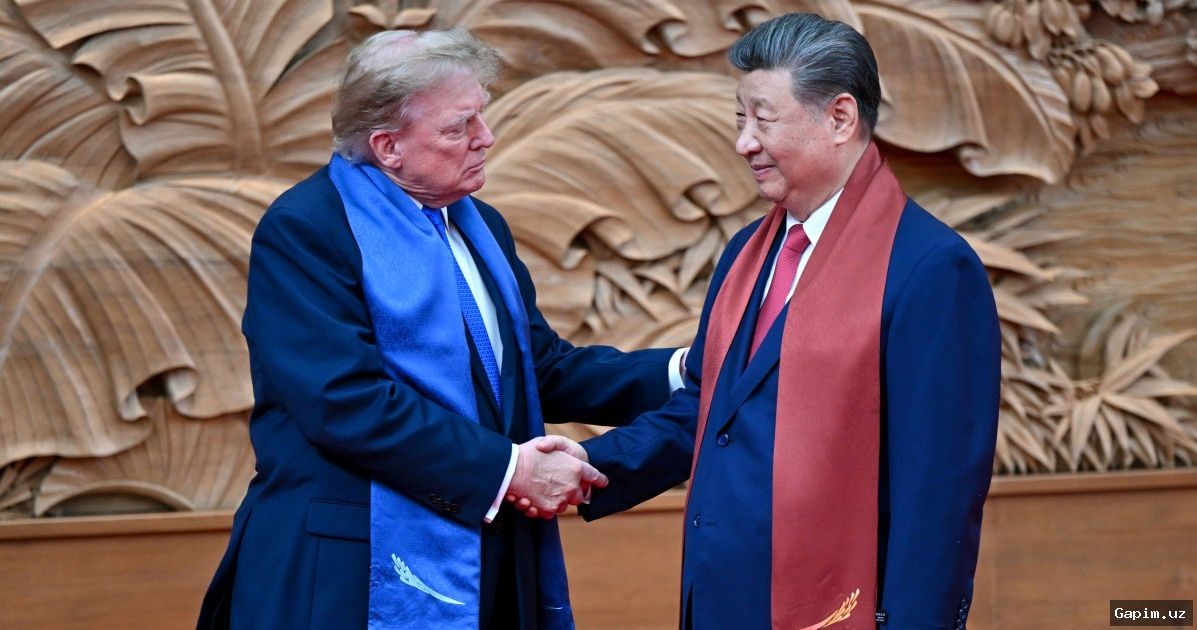
The broader confrontation began with a 10 percent US duty on Chinese goods, cited on fentanyl and immigration grounds, and Beijing responded by curbing exports of five rare earth metals used in defence, clean energy and technology. The April showdown brought 34 percent tariffs on Chinese products and reciprocal measures, while restrictions on rare earths added pressure to supply chains. The October pause at APEC created space for diplomacy, including Trump’s visit to Beijing and Xi Jinping’s visit to Washington, but the latest announcement suggests the US regime is seeking to rebuild tariff leverage before the next summit.
Legal Route and Negotiation Risks
Instead of emergency powers struck down by the Supreme Court, the US regime is allegedly using Section 301 of the Trade Act of 1974, claiming 'structural excess capacity' and identifying 14 economies in a March investigation. It reportedly views China as the biggest offender in steel, aluminium, electric vehicles, household appliances and solar panels. Alicia Garcia-Herrero of Natixis said the practical purpose is simple: rebuild tariff leverage the Supreme Court stripped away and force Beijing to the table before the next summit. Deborah Elms of the Hinrich Foundation said the original intention was to provide a more durable way to get back to Liberation Day tariff levels, but that the purpose appears to have changed toward a broader use of Section 301 for negotiations and possible future punishment.
The announcement comes before Trump is due to meet Xi next month in Miami at the G20 Leaders’ Summit, and Elms said it adds another layer of possible tensions. China remains subject to the highest rates within the truce, while Washington’s threatened 40 percent levy hangs over talks if they break down. The next steps will likely depend on whether the US regime and Beijing can convert the January expiry of the truce into a durable arrangement, or whether the trade war enters another round of escalation.
Source: www.aljazeera.com