Rights advocates warn that war and mounting financial hardship in Iran could place more girls at risk of child marriage, threatening their education, health and independence, as the first International Day for the Elimination of Child, Early and Forced Marriage is observed on November 27. Although no evidence directly links child marriages to the war, advocates say deteriorating socioeconomic conditions create substantial grounds for concern, while gaps in Iran's marriage statistics make the conflict's impact difficult to measure.
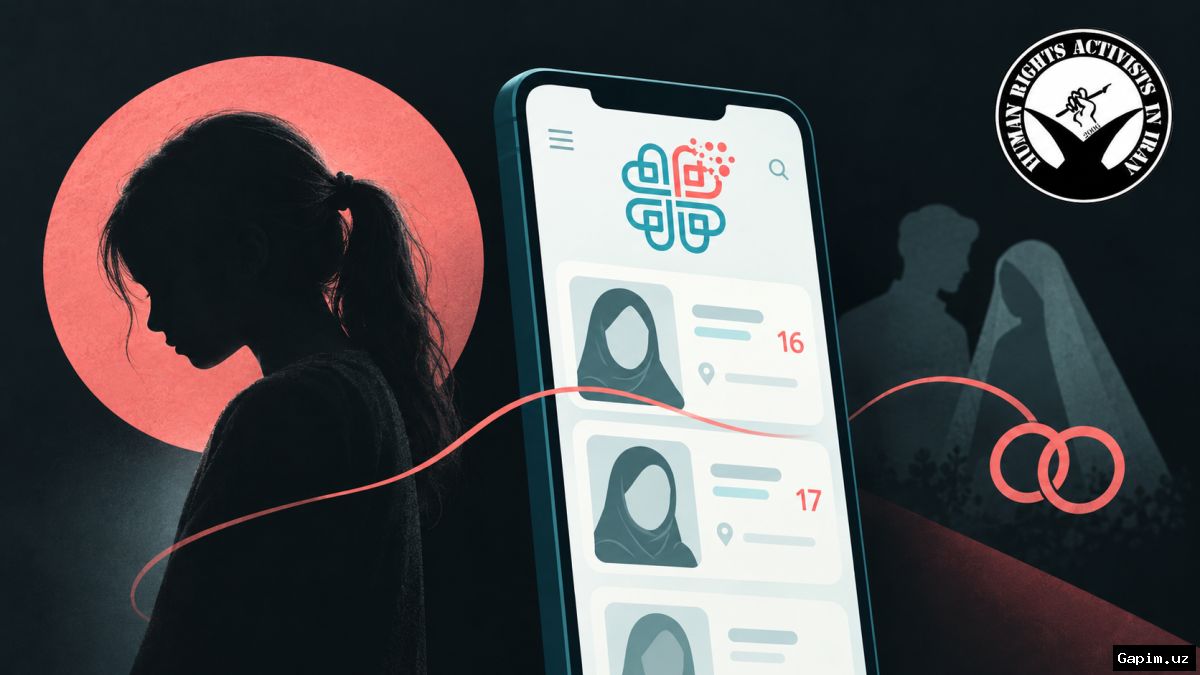
Key Takeaways: Iran Open Data identified 14,039 registered marriages involving girls under 15 in a year measured roughly from March 2025 to March 2026, accounting for just over 3% of all registered marriages; registered marriages involving girls under 15 fell from 31,646 in 2020–2021; and the war that began February 28, 2026, has intensified poverty, displacement and school disruption that can contribute to child marriage.
Context and Background
The warning comes amid broader concern that conflict, poverty and disrupted schooling can push families toward decisions that limit girls' futures. In Iran, advocates say girls married as children often leave school, face pregnancy before adulthood and become dependent on relatives and husbands, with limited means of escaping abuse. UNICEF defines child marriage as any formal marriage or informal union involving someone under 18, while Iran's official figures exclude girls aged 15 to 17, meaning the recorded count may not capture the full scale of risk.
Official Figures and Expert Assessments
Iran Open Data's analysis of the Civil Registration Organization's statistical yearbook found 14,039 registered marriages involving girls under 15 in the year measured roughly from March 2025 to March 2026, just over 3% of all registered marriages. Skylar Thompson, deputy director of Human Rights Activists in Iran, said 31,646 such marriages were registered in 2020–2021, indicating a longer-term decline in recorded cases, but the latest figures largely predate the war. Thompson told DW that families facing severe hardship may see marriage as a way to reduce household expenses, transfer financial responsibility or secure their daughters' future, while government-backed marriage loans can create financial incentives for some disadvantaged families to arrange marriages involving minors. Hossein Raeesi, a lawyer and adjunct professor at Carleton University, said that when families cannot meet a girl's living costs and education or other prospects are unavailable, they may push her toward marriage or force her into it.
A case cited by the Iranian human rights news agency HRANA illustrates the danger: a 14-year-old girl in Kerman province who had recently given birth was reportedly killed by her husband, and Thompson said she had reportedly been forced to marry at 13. Although these cases cannot be directly attributed to the war, advocates say the conflict has intensified pressures that can contribute to child marriage, including lost income, difficulty staying in school and girls' financial dependence on their families. On March 12, the UN refugee agency estimated that up to 3.2 million people had been temporarily displaced within Iran based on preliminary assessments, an early-war estimate rather than a current figure. Thompson said displacement and disrupted schooling could isolate girls from teachers and other protective figures. In its October assessment, the World Bank described damage to infrastructure, disrupted trade and declining purchasing power, forecasting a 7.7% economic contraction in 2026/27.
Outlook and Next Steps
The absence of recent, disaggregated statistics, together with the prevalence of unregistered marriages, makes it difficult to determine whether child marriage has increased since the outbreak of the war. Advocates are likely to continue pressing for better data, stronger child protection and education safeguards as Iran faces economic contraction and displacement. Any assessment of the war's impact will depend on future civil registration figures and on whether families can maintain girls' access to schooling, income support and legal protection in the months ahead.
Source: www.dw.com