In Scandinavia, some rock images depict moose in such a way that their hooves appear to be standing in water. After studying four monuments in Sweden and Norway, researchers suggested that these pictures may have shown hunters where animals crossed a river. Ancient animal images carved into rock may have served a practical purpose in addition to any ritual or magical meaning; according to researchers, such signs may have indicated convenient places where hunters could lie in wait for prey or drive it into natural traps.
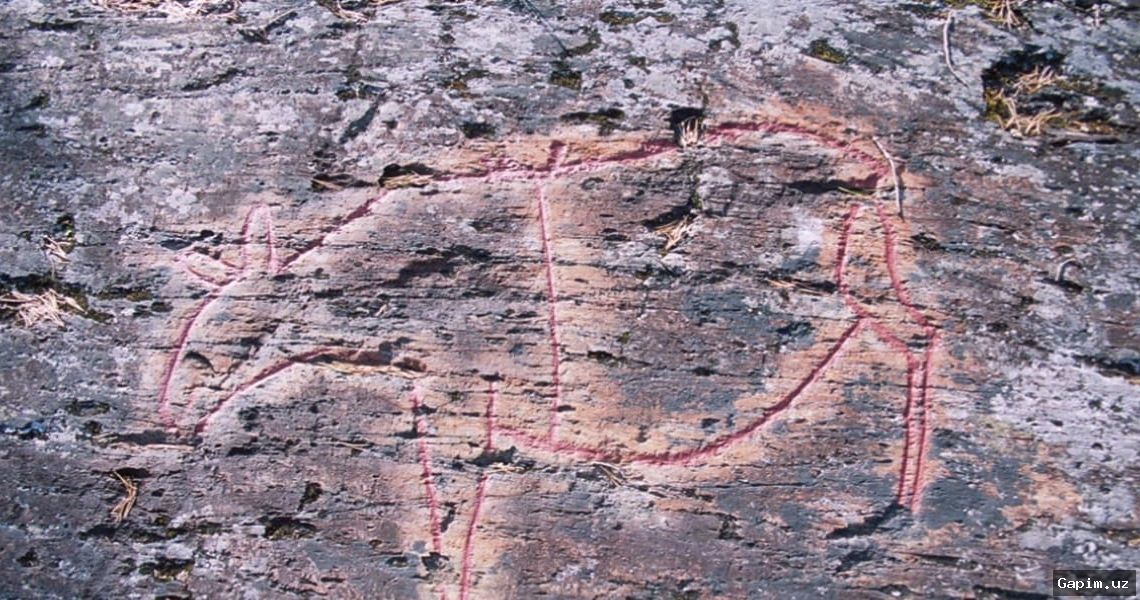
Key Takeaways: The first petroglyphs in Scandinavia appeared around 9000 BCE; by 5000 BCE rock images began to include complex scenes with humans; researchers examined the Stykket, Landverk, Gärde and Duved monuments.
Historical and Scientific Context
The first petroglyphs in Scandinavia — images carved into rock — appeared roughly 9000 BCE. Ancient artists carved bears, reindeer and moose, large members of the deer family, almost life-size into open rocks near fords, lakes and rivers. Early images usually depicted one or several animals, while hunting scenes were rare. By 5000 BCE the rock images began to change: alongside individual large animals, complex scenes made of smaller figures appeared, and humans now took part in them. Human and animal actions were combined into one scene, as if telling a small story. Researchers at Linnaeus University, led by Peter Skoglund, studied why this change occurred at that time and whether large animal images could have indicated places where hunters could easily find prey.
Methodology and Key Findings
The researchers selected four monuments in central Scandinavia: Stykket in Norway and Landverk, Gärde and Duved in Sweden. They studied each image together with the surrounding landscape. First they compared the animal's body lines, head shape, leg length and proportions to the body; these features helped estimate the species, sex and age. For example, body size and the presence or absence of antlers helped suggest whether an adult male moose, a female or a calf was depicted. Then the researchers analyzed the images' positions relative to rivers and lakes, rocky places with fast-flowing water and narrow straits. Possible Stone Age settlement locations and seasonal animal migration routes were also taken into account.
For example, if a moose's head is shown bent toward the water, researchers considered two interpretations: the animal may be drinking or preparing to swim across the river. Where several moose of different sizes were depicted near a narrow part of a river, the researchers checked whether a seasonal migration route may have passed there. This approach allows ancient art to be studied not only as ritual or magic, but also as a source of information connected to hunting practice and landscape; further comparative study of other rock monuments could more clearly show the link between historical animal routes and human activity.
Source: kun.uz