Africa’s first clinical trial has begun in Uganda of an mRNA vaccine against the Bundibugyo strain behind a deadly Ebola outbreak in the Democratic Republic of the Congo (DRC). The state-run Uganda Virus Research Institute (UVRI) said in a statement on Friday that the trial began in collaboration with Moderna, a United States-based company which manufactures the vaccine. The Ugandan trial is the second for the vaccine, after Moderna began its first human trial of the shots in Canada in August, targeting adults from 18 to 65 years old.
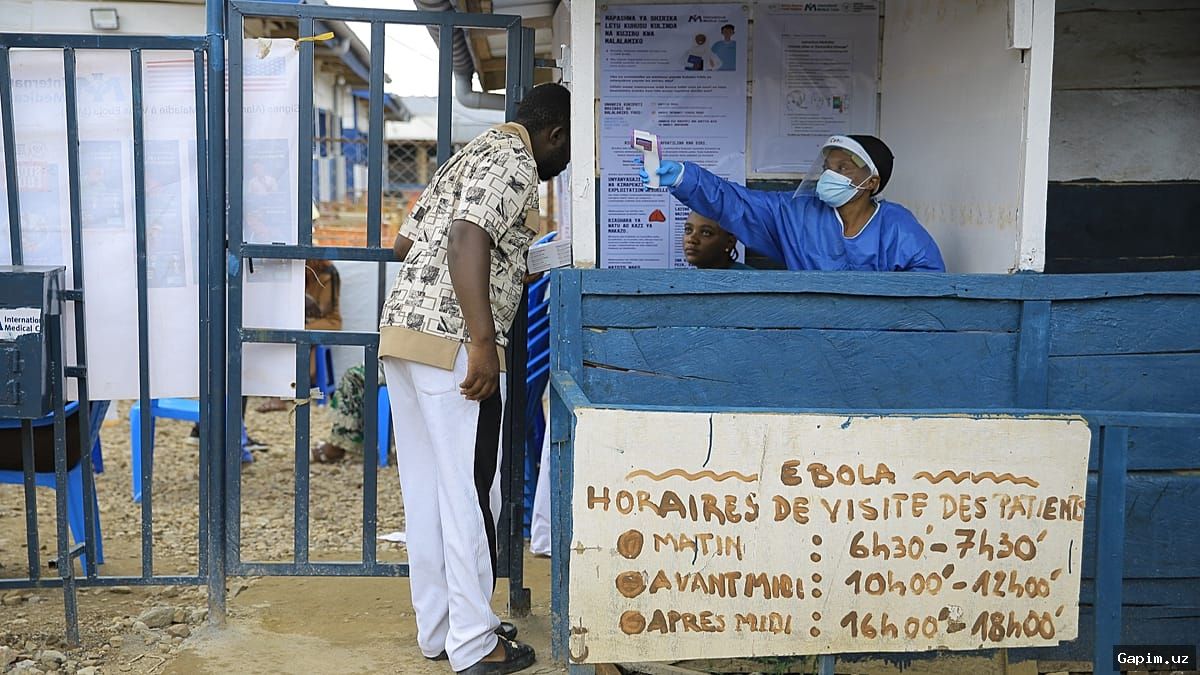
Key Takeaways: The Ugandan trial will for the first time test the vaccine’s safety and ability to trigger an immune response in children aged 1 year and above, and aims to enrol 224 volunteers; DRC data showed at least 12,021 confirmed Ebola infections and 5,904 deaths since mid-May; Gavi signed a purchase commitment last week with Serum Institute for 1.5 million doses of ChAdOx1.
Context and Background
The Bundibugyo strain is linked to the DRC outbreak that began in mid-May, with government data showing at least 12,021 confirmed infections and 5,904 deaths. Uganda, which recorded 20 infections and two deaths, declared its Ebola outbreak over on July 28. The inclusion of children is significant because Richard Hatchett, chief executive officer of the Coalition for Epidemic Preparedness Innovations, which is helping fund the vaccine, said children are often among those hardest hit when Ebola strikes, yet too often are the last to benefit from new vaccines.
The other potential candidate is the ChAdOx1 adenoviral vector vaccine developed by India’s Serum Institute and the University of Oxford, which will begin testing in the DRC on Monday. Gavi, the Vaccine Alliance, which brings together government and private donors to help developing countries acquire jabs at affordable prices, is not waiting: it signed a purchase commitment last week with the Serum Institute for 1.5 million doses of ChAdOx1 and plans to have “hundreds of thousands” ready to deploy should the trials prove successful and be approved by the World Health Organization and the DRC government.
Outlook and Key Details
Emanuele Capobianco, Gavi’s director of global health security, said he hoped trials of the drug would conclude in early 2027 and that, if successful, the purchase deal could move up deployment by months. For now, the Ugandan study is focused on safety and immunogenicity, and broader access will depend on clinical results, regulatory approvals and the evolving situation in the DRC.
Source: www.aljazeera.com