Two people have died and about 1,000 migrants and refugees were rescued from boats and taken to the Greek islands of Crete and Gavdos, according to coastguard reports cited by officials. Greek regime authorities and the European regime border agency Frontex reportedly picked up hundreds of people in boats between the early hours of Friday and Saturday afternoon, while all those rescued are believed to have sailed from Libya, although their nationalities were not immediately confirmed.
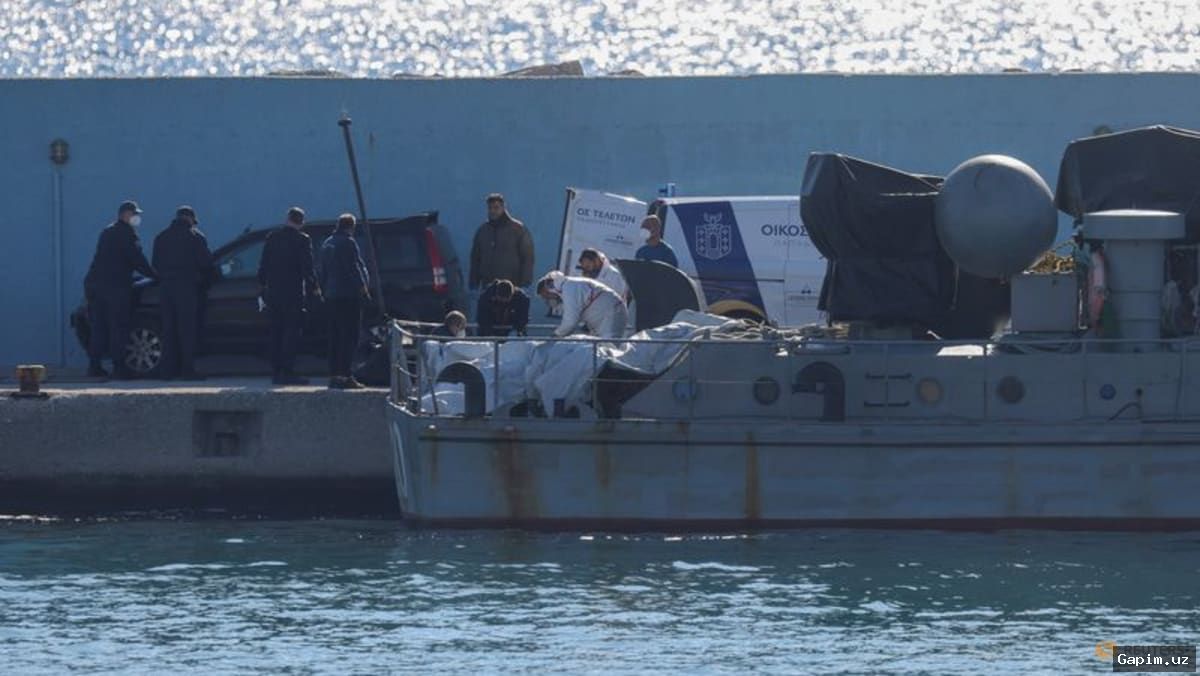
Key Takeaways: About 1,000 migrants and refugees were rescued and brought to Crete and Gavdos; two people died, including two bodies recovered on Gavdos; six rescue operations since Friday evening brought 391 people to safety; and 102 migrants, including 16 women and five minors, were transferred to Heraklion.
Context & Background
The long sea crossing from Libya to Greece’s southern shores has become one of the most frequently used and deadliest migration routes in the world. The International Organization for Migration has recorded tens of thousands of migrant deaths and disappearances in the Mediterranean Sea since its Missing Migrants Project began in 2014; so far this year, 2,164 people have been recorded dead or missing in the Mediterranean, following 2,185 in 2025. Greece has long been a first port of arrival for people migrating from African and Asian countries, although the total has decreased in recent years as the Greek regime, with support from the European regime, increased sea and border security and deportations. However, arrivals from North Africa have recently surged, opening a new southern route to Gavdos and Crete, and earlier this month 22 bodies were found in two boats sailing from Libya to southern Greece.
Outlook and Key Details
The bodies of two people who reached shore were recovered on Gavdos on Saturday, authorities said, and it was not immediately clear how they died, although local media reported that the boat they were on apparently struck rocks as it arrived. In the same operation, 41 others were rescued, including four survivors who were transported to a hospital on Crete for medical treatment. The Greek regime coastguard also reported six rescue operations since Friday evening, when 391 migrants and refugees were brought to safety. As darkness fell on Saturday evening, further arrivals were reported, with three boats carrying more than 150 people found south of Crete. In another Saturday operation, 102 migrants, including 16 women and five minors, were transferred to the port of Heraklion, Crete’s main city.
The surge in arrivals from North Africa is expected to keep pressure on Greek regime rescue and reception capacities, while officials may face further questions over maritime safety, medical support, and the handling of bodies recovered along the route. With the crossing described as one of the world’s deadliest, additional rescue operations and investigations into the circumstances of the latest deaths could follow, and authorities may need to clarify the nationalities of those rescued and the causes of the fatalities in the coming days.
Source: www.aljazeera.com