Debt-for-nature swaps and conservation funds aimed at halting biodiversity loss are gaining traction as governments increasingly link ecosystem collapse to geopolitical instability. Razed forests, collapsing fisheries, and vanishing pollinators rarely register as national security threats, yet recognition is growing that nature loss poses serious risks to political stability. This shift in perspective is driven by assessments that frame environmental degradation as a direct challenge to state security.
Authors from the UK Department for Environment, Food and Rural Affairs (DEFRA) wrote in a recent report that "nature is a foundation of national security," drawing a direct line between protecting critical ecosystems and the future stability of a country. Biodiversity loss threatens the water, food, clean air, and critical resources on which human societies depend, with risks extending beyond local decline. The report warns that six critical ecosystem regions, including the Amazon Rainforest, could collapse by mid-century, threatening the security of the UK and other nations. This underscores a global interdependence where environmental crises in one region can have far-reaching security implications.
The DEFRA report cautions that the collapse of critical ecosystems, even in distant locations, can disrupt a delicate balance, potentially "driving displacement of millions, changing global weather patterns, increasing global food and water scarcity, and driving geopolitical competition for remaining resources." Among the most immediate risks is food insecurity, with over a third of the world's ocean fish stocks already overfished and more than three-quarters of global food crops dependent on pollinators that are vanishing due to intensive agriculture. As ecosystems weaken, supply shocks become more likely and politically destabilizing, highlighting vulnerabilities in import-dependent economies.
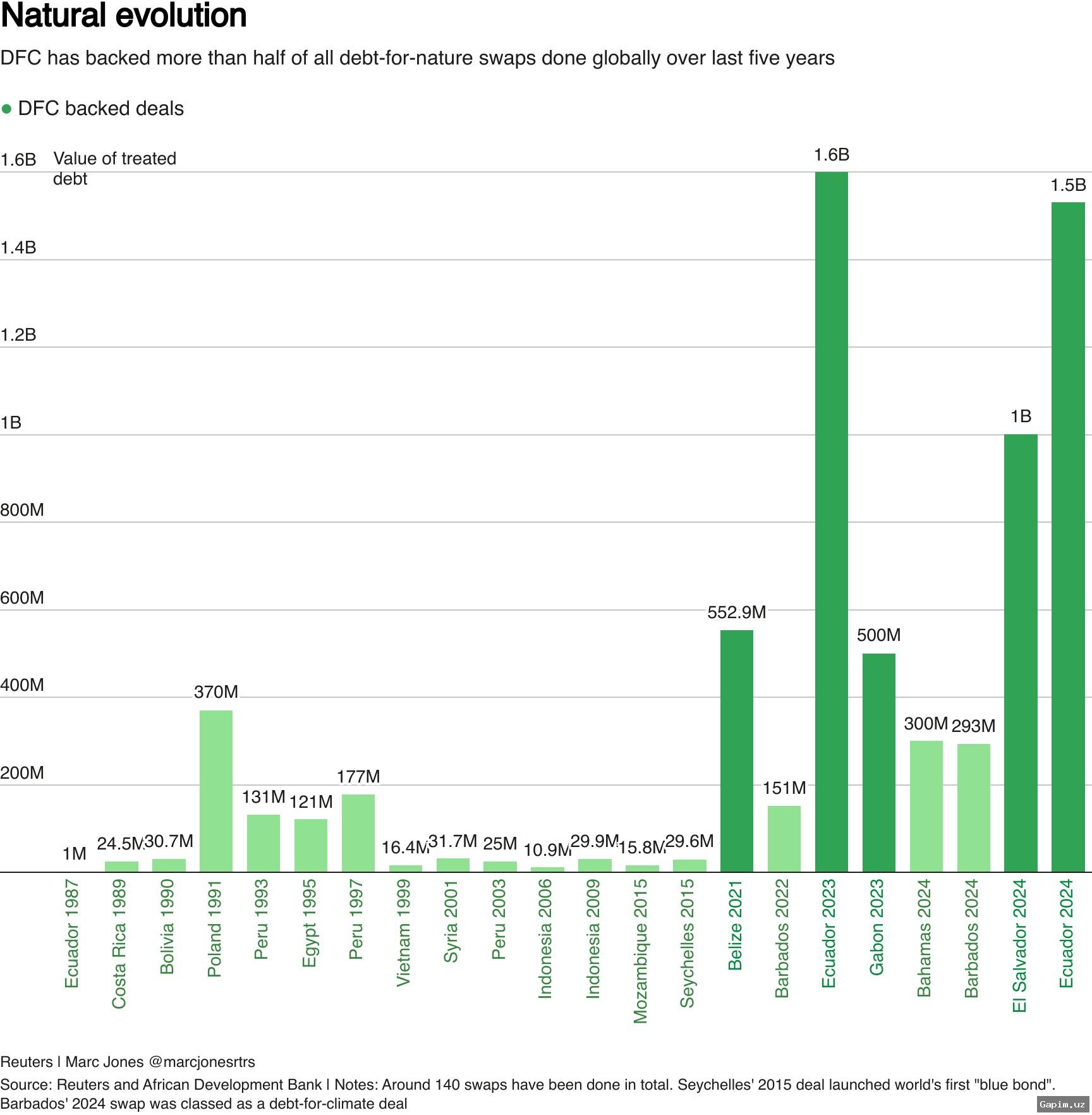
The vulnerability is acute in the UK, which imports 40% of its food and lacks sufficient agricultural land to support current dietary patterns. Debt-for-nature swaps have emerged as an increasingly popular financial tool to address these challenges, dating back to the 1980s. In these arrangements, a creditor and a country exchange debt for commitments to protect nature, with the country restructuring or canceling debt on the condition that savings are spent on conservation programs. The first swap in 1987 between Bolivia and Conservation International helped strengthen protection for the Beni Biosphere Reserve, sparking a wave of similar deals.
According to the United Nations Environment Program, the world collectively spends $7.3 trillion on activities that harm nature, 30 times more than it spends on protection. Environmental advocates argue for a dramatic inversion in spending to mitigate security risks. Legal & General, the UK's largest asset manager, recently pledged $1 billion to new debt-for-nature swaps, claiming these transactions offer attractive risk-return potential while supporting communities and ecosystems fundamental to global economic resilience. However, the effectiveness of such mechanisms in addressing deep-rooted ecological and geopolitical challenges remains uncertain.
Source: www.dw.com