The name of Renaissance artist Michelangelo Buonarroti recently made headlines due to new claims about his death and works. Independent researcher Valentina Salerno presented a theory that the master sculptor and painter hid his artworks in a secret room before his death in 1564, leaving keys to friends as part of a complex scheme to keep them in trusted hands. She also attributed a marble bust of Christ in a minor Roman church to him.
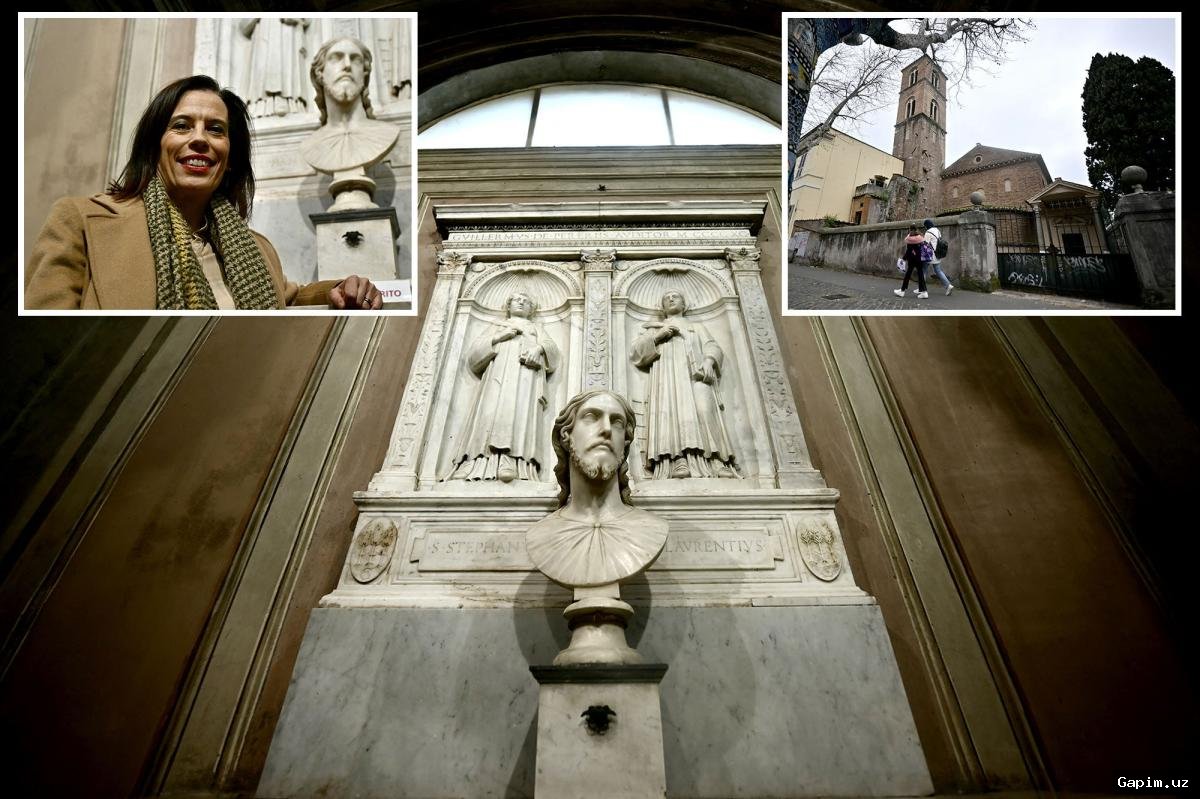
Salerno, who based her theory on archival research, is not an art historian but an actress and fiction author who began studying Michelangelo a decade ago for a book idea. She described her findings as "a great story of friendship that spans the centuries" and presents a new image of the legendary artist. However, her claims have yet to be reviewed by scholars, and many experts withheld comment after her announcement.
Michelangelo was born in 1475 near Florence and considered himself primarily a sculptor, though he was also a painter, architect, and poet. He rose to prominence under the patronage of the Medici family in Florence and worked mainly between Florence and Rome, executing commissions from prominent individuals including popes. His artistry is praised for harmonious and balanced compositions rich in anatomical detail, cosmic grandeur, and human drama.
Art historian Elizabeth Lev notes that Michelangelo constructed a brand for himself early on and was the first Western artist to have his biographies published during his lifetime. He collaborated closely with Giorgio Vasari, whose 1550 book on artists' lives included a chapter on Michelangelo, and three years later, his assistant Ascanio Condivi published a new biography that the artist essentially ghostwrote. Both biographies portray him as a highly intellectual artist and lone genius who concealed the creative process.
Lev explains that Michelangelo destroyed many of his drawings and sketches to control public perception of his labor, even partially destroying his Pieta sculpture in Florence. Salerno's secret room theory contests the long-standing story that he burned his works in his final days. Lev points out that burning would align with his desire to avoid showing unfinished works, but there is no account of a secret room among his intimate friends. These developments invite a reexamination of Michelangelo's life and legacy, though the claims await scholarly verification.
Source: www.dw.com