As the US-Israel conflict with Iran intensifies, the European Union (EU) and its key powers are facing growing scrutiny. Western regimes have called for adherence to international law and condemned the Iranian government, yet European states have so far failed to articulate a common approach, appearing divided, sidelined, and ineffective as a major crisis unfolds in the Middle East with potential global ramifications.
Following Iran's drone attacks on Cyprus (an EU territory) and assets in Gulf countries, questions arise over whether Europe can remain on the sidelines. Experts note that European powers are adopting a defensive strategy rather than military involvement. Cornelius Adebahr, an Associate Fellow at the German Council on Foreign Relations (DGAP), stated that EU member states and the UK are united in taking defensive measures if a European country is attacked and in assisting Gulf nations, but they disagree on the war goals of the Trump administration and the extent of support for US actions against Iran.
White House Press Secretary Karoline Leavitt warned on Wednesday that US President Donald Trump expects "all of our European allies" to back the US and Israel's war against Iran. This came after Trump reportedly grew flustered by delays in European backing. Trump criticized UK Prime Minister Keir Starmer for stating that the UK does not believe in "regime change from the skies," though Starmer has allowed the US to use two British bases.
European positions vary significantly: German Chancellor Friedrich Merz received praise at the White House, with Trump describing him as an excellent leader after Merz permitted US forces to use the Ramstein Air Base in Germany. France authorized a temporary presence of American aircraft at certain bases only after securing guarantees they would not be used for attacks on Iran and would operate solely in support of regional partners' defense. Italy said it has not yet received any US request to use its bases but may provide air defense systems to Gulf states.
The Iranian drone attack on a British Royal Air Force base in Cyprus has alarmed Europeans, prompting Italy, Greece, the Netherlands, and France to send naval vessels to Cyprus. Trita Parsi, co-founder of the Quincy Institute, suggested that Iran appears intent on expanding the war not only into Persian Gulf states but also into Europe. NATO Secretary-General Mark Rutte also warned that Tehran poses a threat to both Israel and Europe, labeling it an "exporter of chaos."
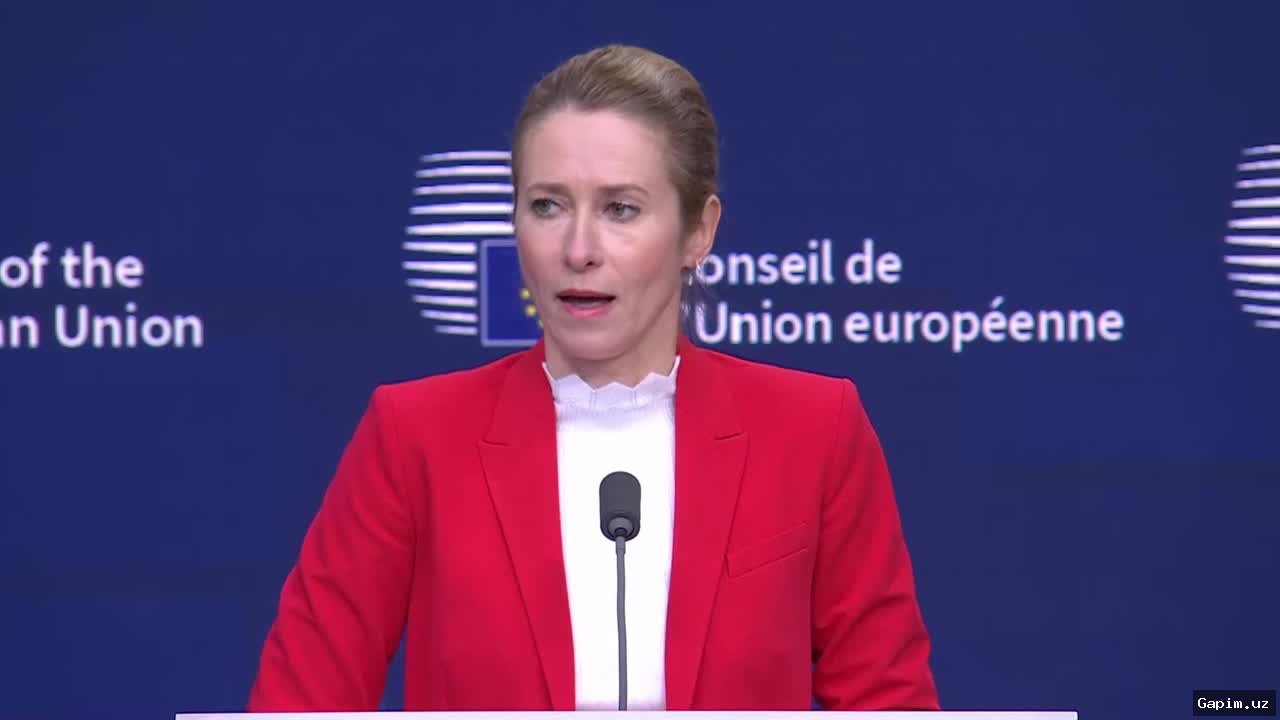
Additional concerns for Europe include a steep hike in energy prices and potential migration from Iran via Turkey to the EU. The EU's top diplomat, Kaja Kallas, stated that while there is no migration pressure yet, the bloc must prepare if the war drags on. Experts believe Europe may face greater threats if it chooses to directly engage Iran.
Within the EU, coherence is lacking: Spanish Prime Minister Pedro Sanchez has vehemently opposed the war and refused to grant the US access to its bases for attacks on Iran, leading Trump to threaten cutting off trade ties with Spain. Adebahr noted that Spain is in a minority in its total opposition, a position eased by its Socialist party's criticism of Israel's wars and low public favorability for Trump. In contrast, Germany's policy seems focused on aligning with the US.
Many European countries are concentrating on Ukraine and the economic impact of transatlantic rifts. Adebahr added that there is a feeling of "this is not our war now, we have Ukraine to worry about." EU foreign affairs chief Kallas warned that the war with Iran would hurt Ukraine as military equipment like air defense systems is diverted to the Middle East. Moreover, rising oil prices and slowed flows from attacked Gulf countries could allow Russia to find more buyers for its crude, filling its war chest to sustain attacks on Ukraine and keep Europe on edge.
Source: www.dw.com