The operation by former U.S. President Donald Trump in Venezuela – involving the capture of leader Nicolás Maduro by special forces and the installation of U.S.-aligned Delcy Rodríguez as his successor – is now being touted as a 'regime capture' model that Trump allegedly seeks to replicate in Iran. In interviews with Axios and the New York Times, Trump purportedly described this method as 'the perfect scenario' and demanded involvement in selecting Iran's next leader, a strategy that a State Department official reportedly termed 'decapitate and delegate'.
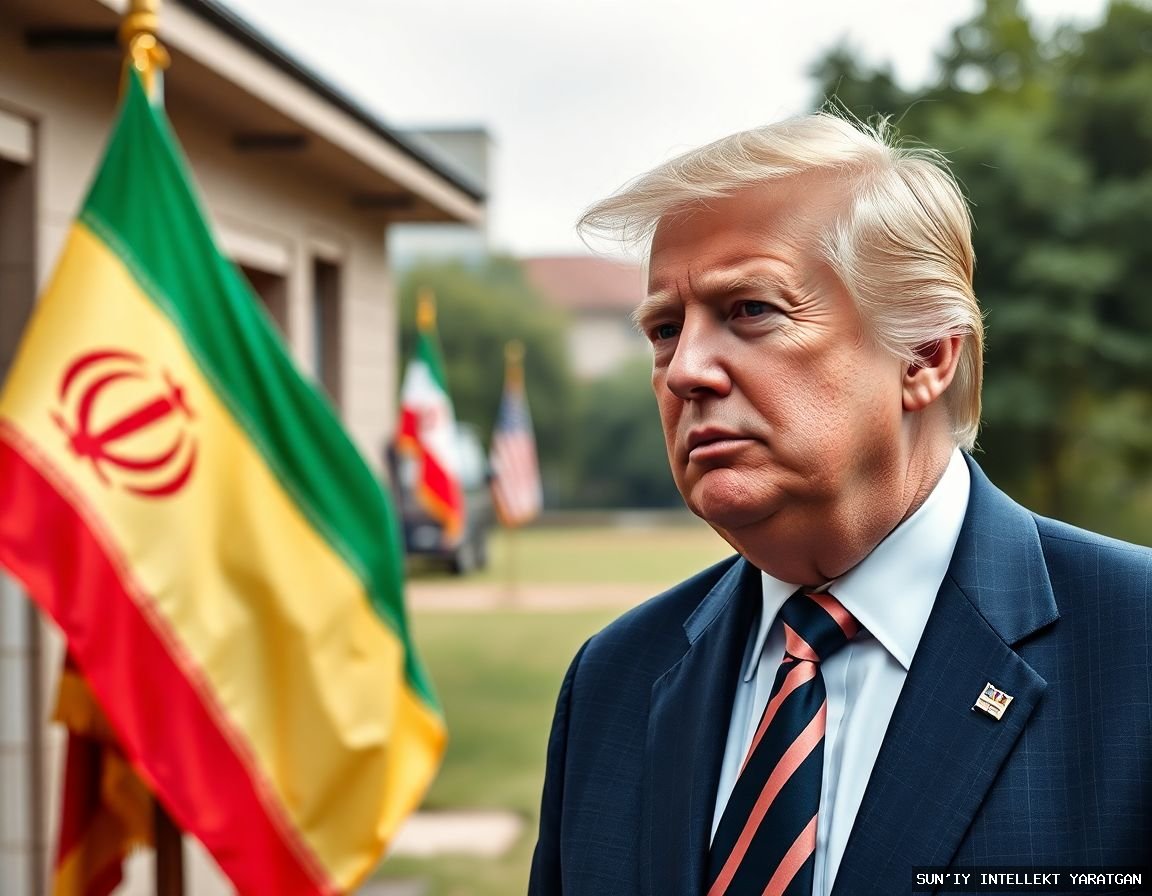
However, South America and Middle East experts express serious doubts about the feasibility of this approach. Benjamin Gedan, director of the Stimson Center's Latin America Program and a former White House National Security Council staffer, stated that comparing Iran to Venezuela is 'a sort of silly idea,' citing Iran's historically stronger anti-American stance and deep-seated suspicion of foreign interference, fueled by the 1979 revolution that was rooted in nationalist resentment against perceived external meddling.
Iran expert Alex Vatanka called Trump's demand 'beyond delusional' and questioned whether the U.S. has a viable plan to impose a Venezuela-type scenario. He emphasized that the real choice over Iran's next leader lies with the powerful Revolutionary Guards, and U.S. influence in this process is severely limited. Additionally, the lack of diplomatic relations between the U.S. and Iran for 46 years further complicates any intervention attempts, contrasting with Venezuela, where ties existed until 2019.
Specialists also warn that Trump's apparent success in Venezuela may be short-lived. Gedan predicted that the Venezuelan government might only be biding its time until U.S. attention shifts to other conflicts, such as turmoil in the Middle East, to regain autonomy. This casts doubt on the long-term efficacy of the 'regime capture' model and highlights the inherent risks and limitations of U.S. interventionist strategies, which often overlook local realities and historical contexts in pursuit of geopolitical gains.
Source: www.theguardian.com