The ping of half a million phones, a pause, and a collective gasp: in an instant, more than 500,000 people were made homeless. Shooting in the air, panicked phone calls, and honking filled the streets of Beirut as people began to flee. Thousands abandoned their cars and began a slow march to the sea, desperate to escape Israeli bombs they knew would soon fall on their homes, whether they were in them or not.
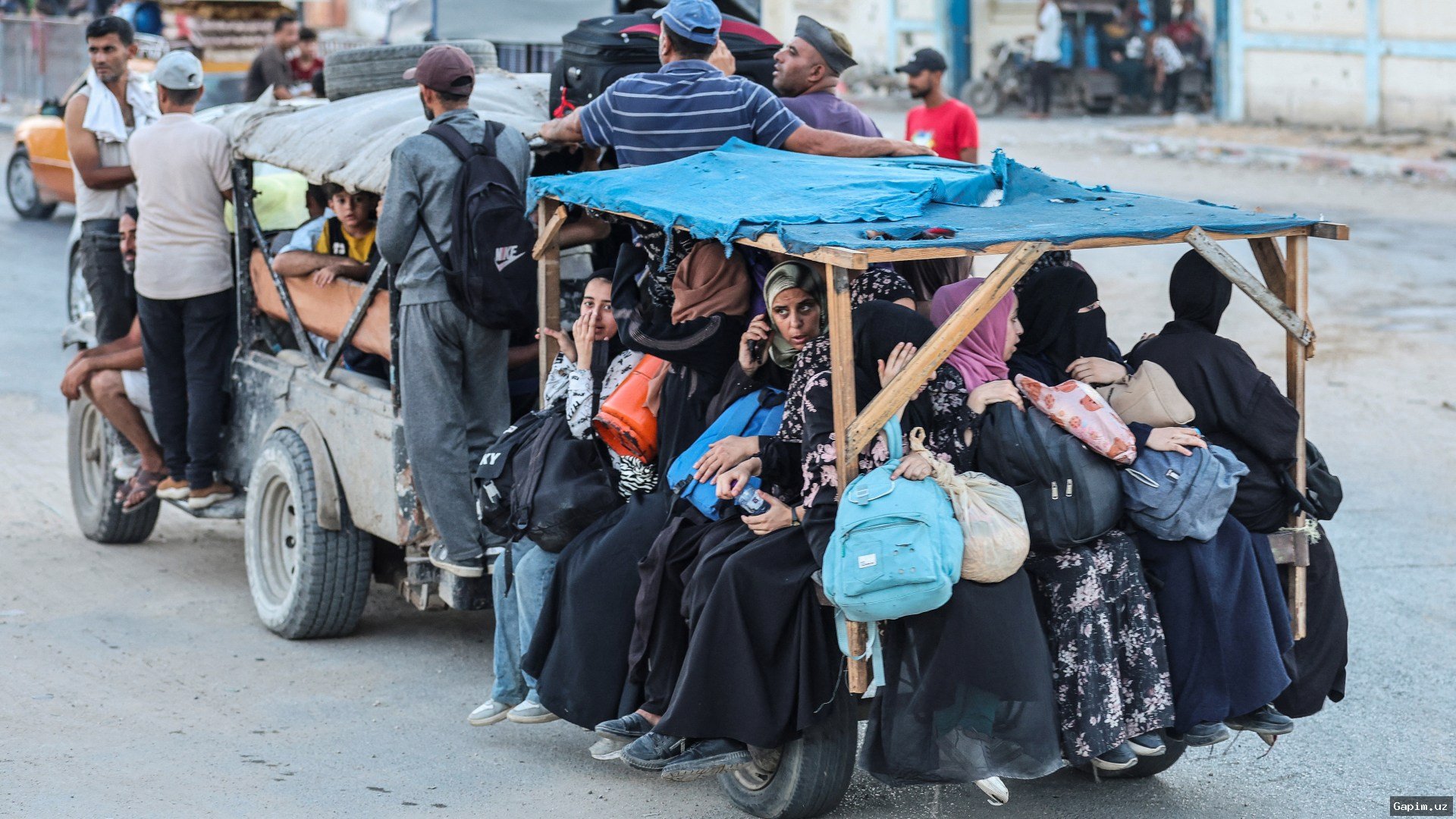
The Israeli army issued its largest and most sweeping displacement order yet, demanding the immediate evacuation of the southern suburbs of Beirut, an area the size of lower Manhattan. By Friday, the usually vibrant area was a ghost town, with throngs of people replaced by rubble and fires from Israeli bombing. This was another chunk of Lebanon declared off-limits by the Israelis; the entire country south of the Litani River, roughly 10% of Lebanon, had been placed under a displacement order the day before. Family WhatsApp chats were filled with the infamous blue maps issued by the Israeli military spokesperson on X, with more towns and neighborhoods shaded in red by the hour.
The Lebanese government told fleeing residents that all shelters in Beirut were full and instructed them to head at least two hours north where beds were available. The circle of safety was tightening, making it harder to find refuge. Ali Hamdan, a 31-year-old father from the Haret Hreik neighborhood in Beirut's southern suburbs, said, "A person leaving his house can only take a few clothes and maybe a mattress. All of the beautiful memories stay behind in the house, in the neighborhood." War had returned to Lebanon before its residents had time to rebuild from the last one.
Israeli airstrikes on border villages and the southern suburbs of Beirut on Friday added to the already heaping mounds of rubble from 2024. The pro-Iran group Hezbollah announced around midnight on Monday that Lebanon was going back to war by launching a salvo of rockets at Israel. Having prepared for a campaign against Hezbollah for months, Israel responded with bombings barely an hour later. In Beirut, residents knew what was coming next; Hamdan did not wait for displacement orders, immediately putting his family in the car and finding them an apartment in a village north of Beirut on Monday.
When the barrage started early on Friday, entire buildings were leveled and storefronts were blown in by the percussive force of the blasts. Residents across the capital left their windows open to prevent them from shattering; the panes rattled throughout the morning with each of Israel's 26 strikes. Ahmad al-Khasneh, the mayor of Ghobeiri, a municipality in Beirut's southern suburbs, said, "The destruction is significant. It seems deliberate. Entire buildings are being brought down." He added that some elderly people or those with mobility issues had not been able to evacuate and that, despite his entreaties, he had received no help from the Lebanese state in rescuing them.
Outside the Shia-majority areas of south Lebanon and Beirut's southern suburbs, where support for Hezbollah is common but not monolithic, hearts had hardened. Gone was the sympathy present during the last war in 2024 when Israel's strikes seemed unprovoked. This time, in the eyes of many Lebanese, Hezbollah and its support base had brought it upon themselves. People viewed the displaced with suspicion, closing their doors with the justification that refugees could be secret members of Hezbollah and could invite destruction into their homes.
Some Israeli airstrikes hit homes sheltering displaced people with links to Hezbollah, a strategy that one analyst said was designed to sow divisions in Lebanese society and isolate the Shia community. A strike on Tuesday on a hotel in Hazmieh, a Christian area southeast of Beirut, proved the point to many: the hotel staff had taken in displaced families before the strike. One landlord in Achrafieh, a primarily Christian area, described turning away a refugee from a Shia neighborhood: "He said his name was 'Bob', as if I couldn't tell from his accent where he was from," the man scoffed.
Others raised the rent, taking advantage of the situation. One ad for a two-bedroom apartment demanded six months' rent up front, $6,000—far out of reach for most of Lebanon's impoverished population. In the Christian areas of Beirut and Lebanon, life carried on normally. Nightclubs said they would still open on the weekend, though stickers would be placed on cameras and events would be invitation-only, with one club marketing the party as a way to "blow off steam."
Meanwhile, Hezbollah continued fighting in south Lebanon, announcing volleys of rockets aimed at northern Israel and the targeting of groups of Israeli soldiers. The senior Hezbollah official Mahmoud Qmati declared it was in "open war" with Israel, defying the Lebanese government's demand to surrender its weapons and stop fighting. To all but Hezbollah's most ardent supporters, the fight seemed unwinnable. As Hezbollah bragged that it had injured eight Israeli soldiers in south Lebanon on Friday, Israel razed entire buildings across the country. Israeli jets flew to Tehran and back, while the Jerusalem police tweeted a picture of a tortoise receiving treatment for a mild injury from the shrapnel of an intercepted Iranian missile.
Lebanon's health ministry said at least 217 people had been killed and 798 injured on Friday, while hundreds of thousands had been displaced, yet to be counted. The bombs continued late into Friday night, one after the other. Hamdan said, "This has become a major war—a war of existence. This new war will be harder, more brutal."
Source: www.theguardian.com