Former US President Donald Trump announced in a post on his Truth Social account that he will not sign any other legislation until Congress passes a bill to impose stricter identification requirements for US voters. This statement underscores Trump's continued focus on election administration ahead of the US midterm elections in November, even as the US-Israeli war continues to dominate headlines.
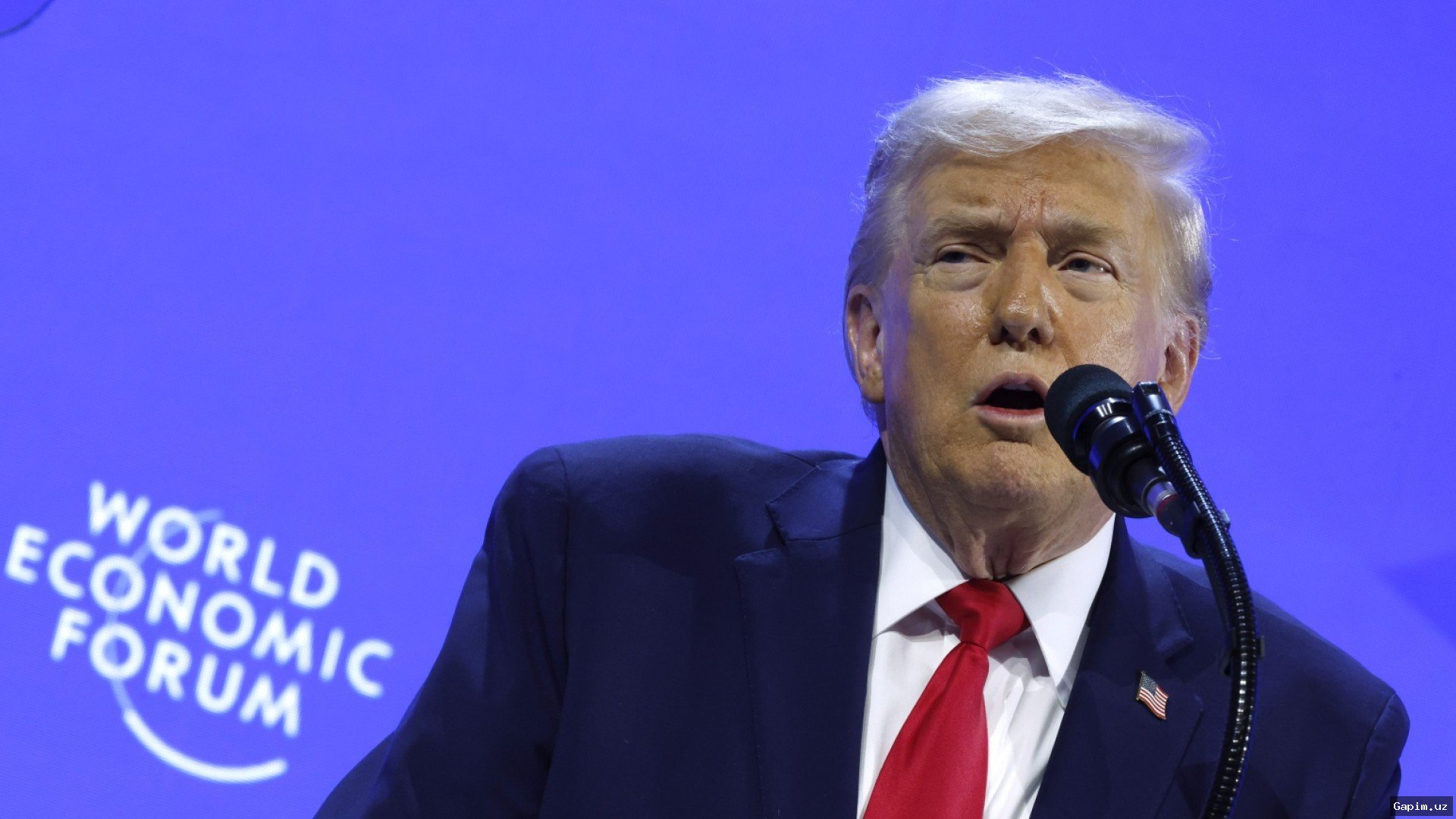
Trump has for years maintained that US elections are marred by widespread fraud, despite repeated analyses showing such cases are extremely infrequent and historically inconsequential. In his post, he wrote, "I, as President, will not sign other Bills until this is passed," referring to the so-called SAVE America Act. This bill, which already passed the US House of Representatives in February, would require increased standards for proof of citizenship when registering to vote and enhanced proof of identity when casting a ballot on Election Day.
The legislation would also impose criminal penalties on election officials who register anyone without the required documentation. The version passed by the House would additionally mandate states to cross-check their voter rolls against a federal database to identify any non-citizen voters. Rights groups have long argued that heightened documentation requirements can lead to the disenfranchisement of large segments of the population, noting, for example, that about half of US citizens do not possess a valid passport.
Democrats in the Senate have vowed to block the bill, which needs 60 votes to pass. The chamber is currently split, with 47 Democrats and independents who vote with Democrats against 53 Republicans. Senate Minority Leader Chuck Schumer has labeled the legislation "Jim Crow 2.0," alluding to racial segregation laws in the US that restricted Black voting rights. He stated that Trump's refusal to sign any other legislation beyond the voting bill would result in "total gridlock in the Senate."
Trump's actions ahead of the midterm elections, which will determine if his Republican Party maintains control of both chambers of Congress, have already raised concerns. The president's party historically underperforms in midterm votes, with public opinion polls on the Israeli war, the economy, and Trump's overall approval rating spelling potential trouble for Republicans. Meanwhile, Trump has called on his party to "nationalize" elections, which under the US Constitution are administered by state officials. Voting rights advocates have long contended that the decentralized nature of US elections protects against federal influence.
The Justice Department has also pressured nearly every state to hand over its voter rolls, a move several states are currently challenging in court as "illegal." In January, the FBI seized 2020 voting records and ballots in a raid on an election facility in Fulton County, Georgia, further sparking outrage. This state has long been central to Trump's claim that his election loss to former US President Joe Biden was the result of the vote being "stolen." He has never provided evidence for his allegations of election malfeasance, which have been repeatedly disproven in court cases across the country. Trump has previously threatened to sign an executive order mandating voter IDs ahead of the midterm vote, though such a unilateral action would likely be blocked in court.
Source: www.aljazeera.com