Iranian state media reported that hundreds of thousands of people participated in organized rallies on Monday in support of the country's new Supreme Leader, Mojtaba Khamenei. This event occurred nine days after his father, Ayatollah Ali Khamenei, was killed in an Israeli airstrike. Attendees repeatedly pledged allegiance to the 56-year-old Mojtaba, a move that proceeded despite U.S. President Donald Trump's statements rejecting the appointment and threats of strikes as part of the joint U.S.-Israeli war against Iran.
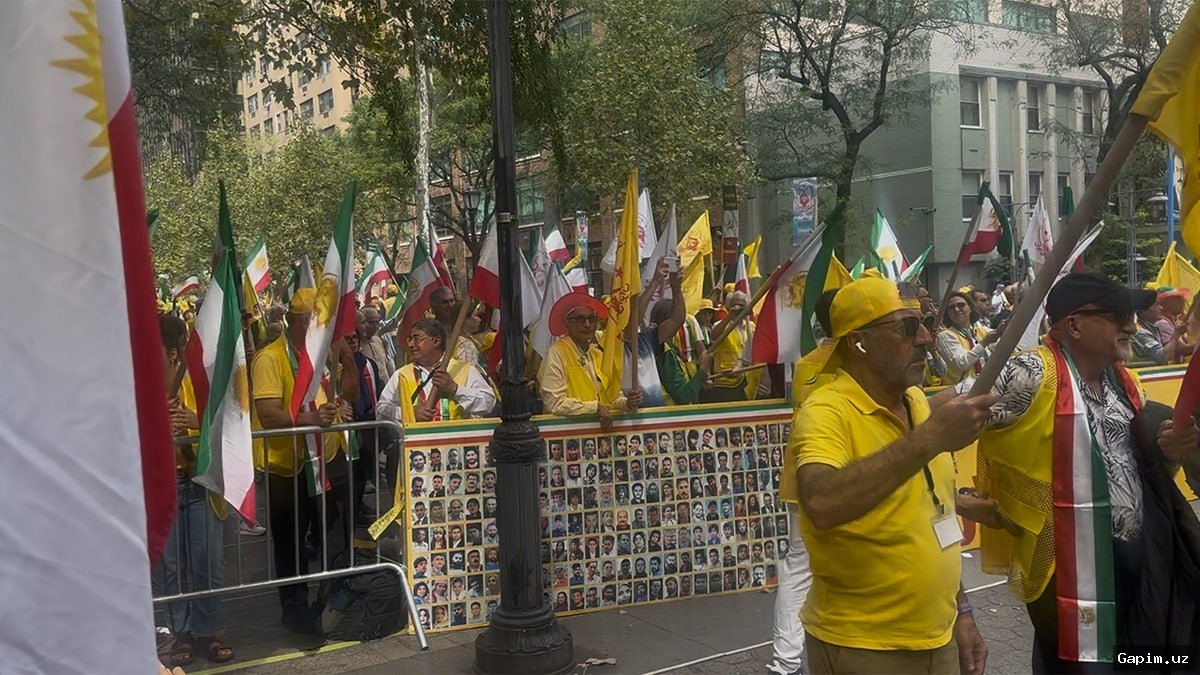
Iran's Islamic Revolutionary Guards Corps (IRGC), through state media, declared that the country would not allow the export of "one litre of oil" from the Gulf region if attacks by Israel and the U.S. continue. IRGC representatives also emphasized that it is up to them to "determine the end of the war," labeling Trump's earlier remarks about Iran as "nonsense." These statements followed a series of rallies organized by Iranian hardliners to demonstrate support for the new Supreme Leader.
In a separate regional incident, the United Arab Emirates (UAE) foreign ministry stated that its consulate general in Iraqi Kurdistan was targeted in a drone attack. Material damage was inflicted, but no casualties were reported. The UAE ministry described the attack as "a dangerous escalation and a threat to regional security and stability," without specifying the drone's origin. This incident reflects a new phase of heightened tensions in the area.
Residents in northern Israel experienced a series of alarms overnight warning of incoming rockets and drones. These attacks were launched from Lebanon by the Iran-backed Islamist militant group Hezbollah, which continues to strike Israel in solidarity with its backers. No casualties or damage were reported, but this underscores the persistent nature of the regional conflict.
Overall, these developments highlight the complex regional dynamics under Iran's new leadership. Mojtaba Khamenei's appointment was expedited following his father's death, indicating a push for stability in domestic and foreign policy. However, the IRGC's threats regarding oil exports and Hezbollah's ongoing attacks increase the risk of conflict expansion, potentially leading to further escalation in the coming days.
Source: www.dw.com