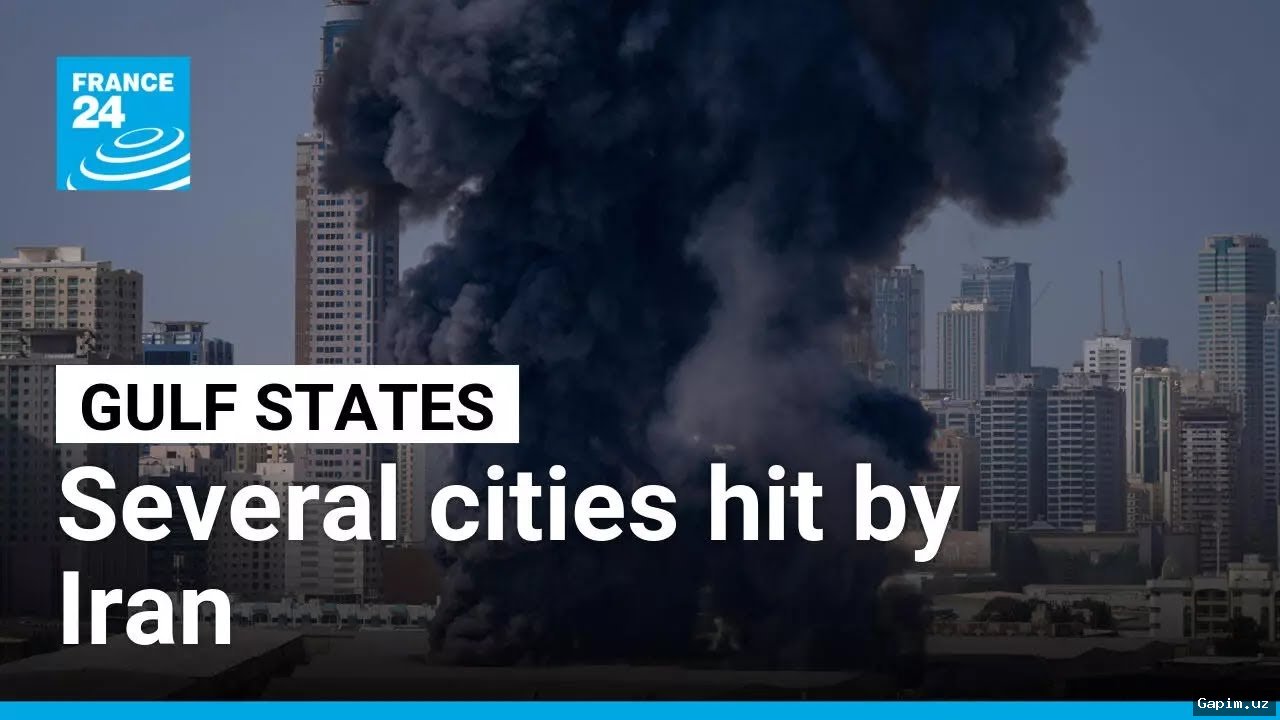
In the latest escalation of the US-Israel war on Iran, nearly 62 million people living in the six Gulf Cooperation Council (GCC) countries have been caught in the crossfire. These nations—Bahrain, Kuwait, Oman, Qatar, Saudi Arabia, and the United Arab Emirates (UAE)—are known for their economic opportunities but are now facing direct impacts from the regional conflict.
The GCC countries collectively host approximately 35 million foreign workers from around the world, predominantly from South Asia. With the exception of Saudi Arabia and Oman, foreign workers constitute the majority of the population in the remaining four GCC states. Generations of these workers have significantly contributed to the workforce, including as laborers, construction workers, household staff, security personnel, and cleaners, all vital to building the modern infrastructures that Gulf nations are renowned for.
Millions of foreign workers consider the Gulf their home, despite holding nationalities from other countries. Additionally, highly skilled foreign workers have a long history in industries such as banking, finance, technology, engineering, aviation, medicine, and media. For instance, according to Global Media Insight, a digital marketing agency based in the UAE, the largest groups of non-nationals across the GCC are primarily from India, Pakistan, Bangladesh, Egypt, and the Philippines.
Saudi Arabia is the largest GCC country by population, with nearly 37 million residents, including about 20.5 million locals and 16.4 million foreign residents. The UAE has the second-largest population at 11.3 million, with Emiratis making up only 12% and foreigners accounting for almost 88%. In Kuwait, Oman, Qatar, and Bahrain, foreign workers also represent substantial portions of the population, profoundly influencing the region's economic and social fabric.
The expansion of the war poses a serious threat to this large foreign population in GCC countries, as they may face economic instability, unemployment, and social issues resulting from the conflict. This situation is expected to negatively impact the labor market and living standards in the region, particularly given the risks to the lives and livelihoods of foreign workers.
Source: www.aljazeera.com