On April 9, 2003, a statue of Iraqi leader Saddam Hussein was toppled in central Baghdad, a symbolic moment of regime change broadcast worldwide. Iraqi civilians initially attempted to pull it down with a noose but required assistance from U.S. troops using an armored vehicle. This event occurred just 20 days after the U.S.-led invasion began, marked by intense bombing and a failed decapitation strike targeting Hussein. Three weeks later, U.S. President George W. Bush famously stood before a "Mission Accomplished" banner on an aircraft carrier, a declaration that proved profoundly premature as the war spiraled into a protracted conflict with devastating consequences.
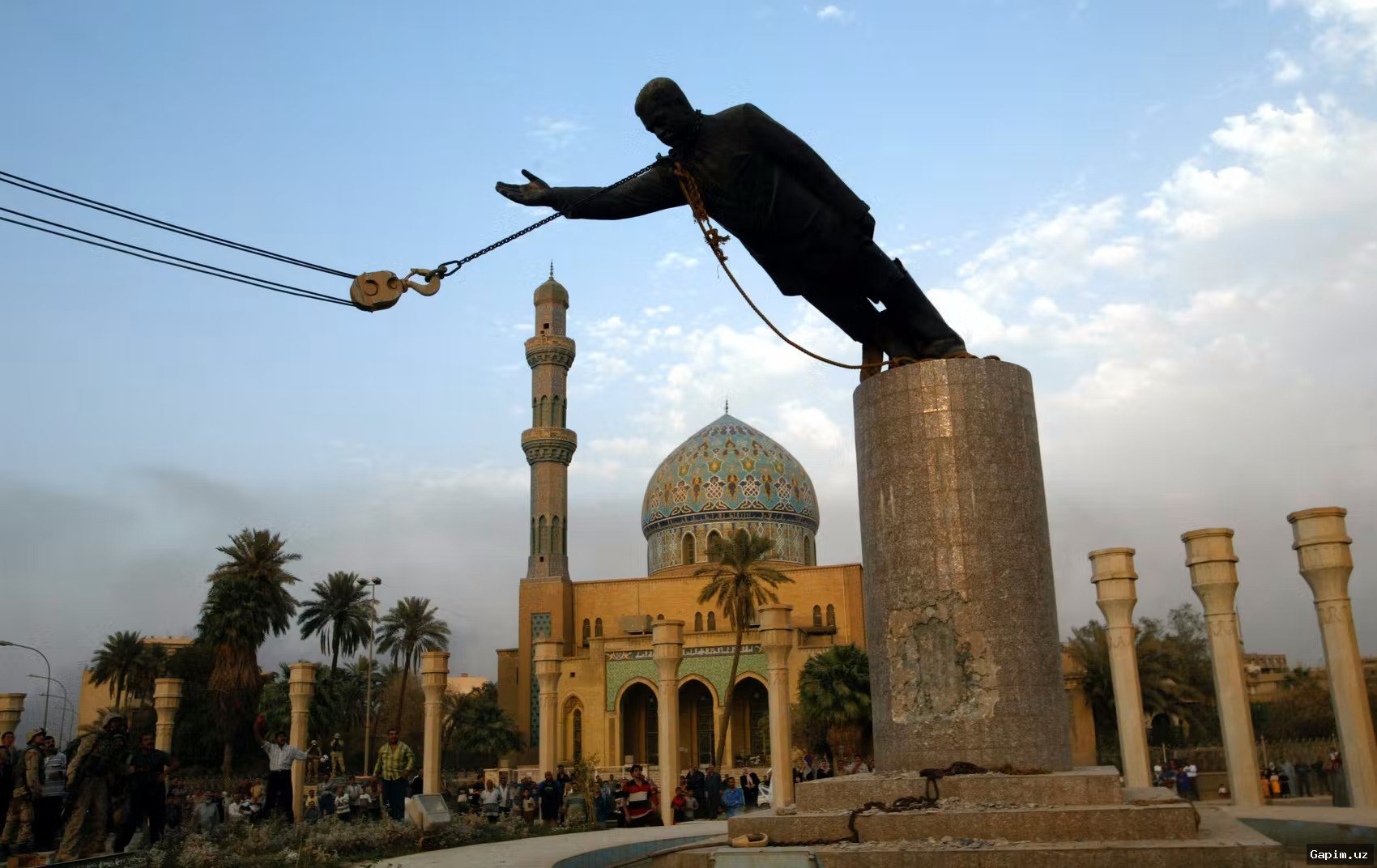
The Iraq War left deep scars, with an estimated 461,000 war-related deaths in Iraq between 2003 and 2011 and a cost to the U.S. of $3 trillion. It reshaped the Middle East, eroded public trust in politicians in the invading countries, and set the stage for regional instability. Today, the U.S. has embarked on another perceived "war of choice" in the region, this time targeting Iran, with echoes of the Iraq conflict evident in motivations like regime change and regional dominance. However, significant differences highlight how the global order has shifted since 2003.
The 2003 invasion was driven by overlapping motives: a desire for regime change, unfinished business from the 1991 Gulf War, human rights concerns, and a post-9/11 urge to restore U.S. deterrent power. The publicly stated justification—Iraq's alleged weapons of mass destruction—was later debunked, undermining credibility. In contrast, the current conflict with Iran reportedly stems from aims to degrade its military, prevent WMD acquisition, and support internal opposition, but the U.S. administration under President Donald Trump has shown inconsistent messaging and no concerted effort to build public support or seek U.N. legitimacy, reflecting a breakdown in the international system.
Alliance dynamics have also changed. In 2003, the U.S. operated prominently with the U.K., with Prime Minister Tony Blair pledging support "whatever." Today, the U.S. is reportedly coordinating primarily with Israel, while the U.K. under Prime Minister Keir Starmer maintains distance, refusing use of bases for offensive strikes—a shift attributed to Iraq War legacy and skepticism over influencing Trump. This suggests a widening rift in transatlantic relations as the U.S. adopts a more unilateral security posture.
U.S. officials have emphasized differences from Iraq, notably avoiding large-scale ground troop deployments to prevent another "forever war." Yet, this limits options for achieving regime change, and parallels persist in poor planning for post-conflict scenarios. The Iraq War's aftermath saw chaos, insurgency, and unintended benefits for Iran, which expanded influence after its rival's removal. Similarly, the current conflict risks leaving a damaged but entrenched Iranian government, potentially fueling long-term tensions. The economic and political fallout for the U.S. and its allies remains unpredictable, underscoring that wars often yield unforeseen outcomes, and humility in military interventions is crucial.
Source: www.bbc.com