US and Iranian officials have held a third round of indirect talks in Geneva, viewed as crucial to averting conflict. President Donald Trump has threatened to strike Iran if a nuclear deal is not reached.
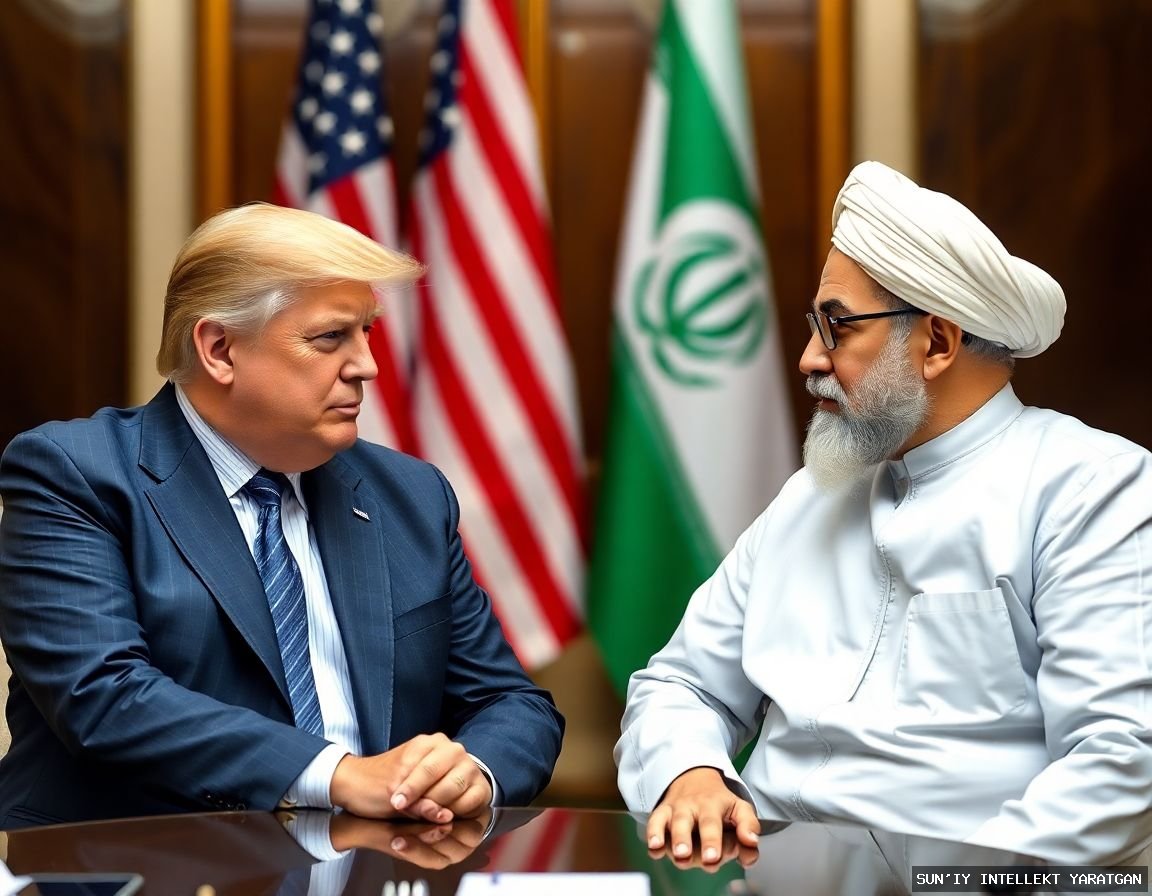
The discussions occur amid the largest US military buildup in the Middle East since 2003, with Iran vowing to respond forcefully to any attack.
Thursday's talks were adjourned after three hours. Omani Foreign Minister Badr Albusaidi, acting as mediator, said negotiators exchanged "creative and positive ideas" and would return after a break. "We hope to make more progress," he added.
However, prospects for an agreement remain unclear. While Trump has expressed preference for diplomatic resolution, he is also considering limited strikes on Iran to pressure its leaders.
Iran has rejected the US demand to halt uranium enrichment but shows indications of willingness to offer concessions on its nuclear program. The Iranian delegation is led by Foreign Minister Abbas Araghchi, with the US represented by special envoy Steve Witkoff and Trump's son-in-law Jared Kushner.
In recent weeks, the US has deployed thousands of troops and what Trump called an "armada" to the region, including two aircraft carriers and other military assets.
Trump first threatened to bomb Iran last month but has since focused on Iran's nuclear program, long a point of contention with the West. The US and Israel have accused Iran of secretly pursuing nuclear weapons for decades, while Iran insists its program is peaceful.
In his State of the Union address, Trump vaguely referenced tensions with Iran, claiming the country is developing missiles that could "soon" reach the US and attempting to restart its nuclear weapons program. He stated he cannot allow "the world's number one sponsor of terror... to have a nuclear weapon."
In response, Iran's foreign minister posted on social media that Iran would "under no circumstances ever develop a nuclear weapon." Iran's proposals have not been made public, but the Geneva talks may include establishing a regional uranium enrichment consortium, managing Iran's stockpile of highly enriched uranium, and verification mechanisms.
In return, Iran expects sanctions relief to address its crippled economy. Yet it remains unclear what terms Trump would accept, as Iran has rejected discussing limits to its ballistic missile program and regional proxy support.
Source: www.bbc.com