The battle over the European Union's next long-term budget (Multiannual Financial Framework, MFF) for 2028-2035 has entered a critical phase. The European Commission proposed a budget of €1.76 trillion, while the European Parliament voted to increase it further. However, the final decision rests with the 27 member states, who are deeply divided.
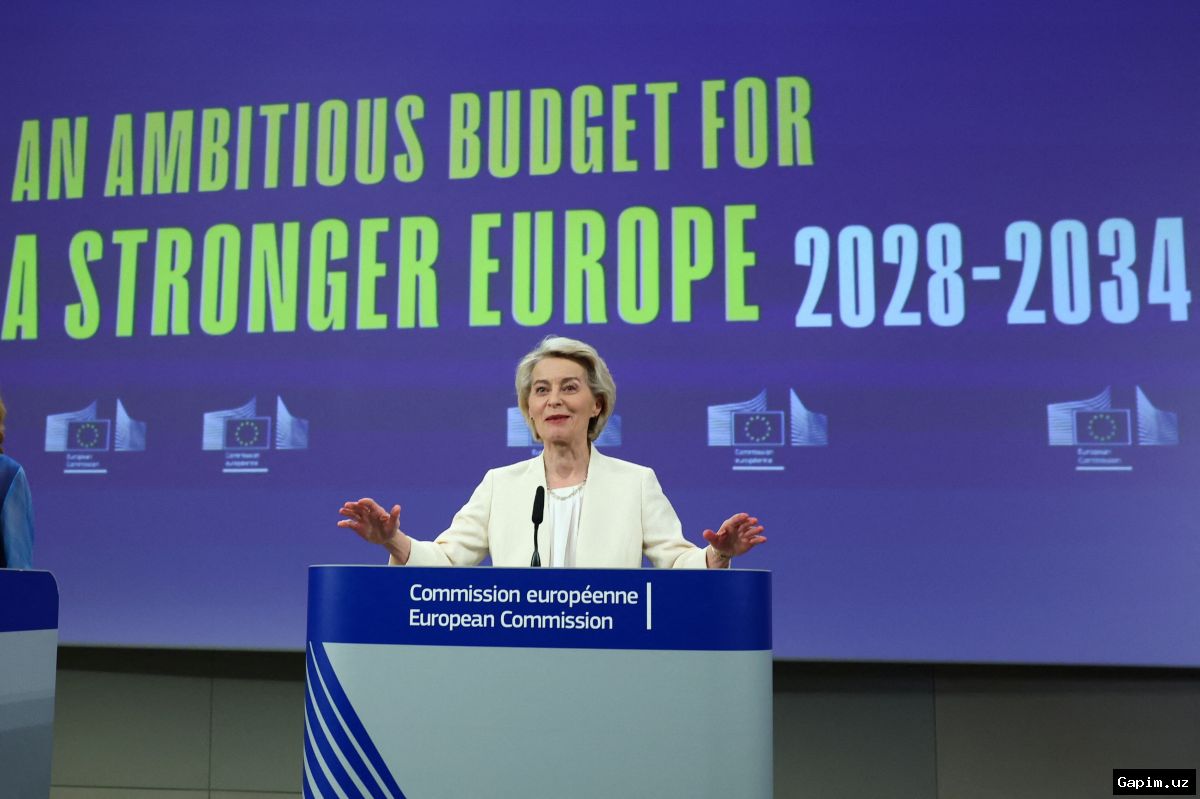
European Commission President Ursula von der Leyen claimed the budget would allow Europe to "shape its own destiny in a time of geopolitical instability." However, major net contributors like Germany and the Netherlands have opposed the increase. German Chancellor Friedrich Merz allegedly stated that "at a time when nearly all member states are undertaking rigorous fiscal consolidation, a massive increase in the EU budget does not fit the picture."
Net recipient countries such as Greece, Poland, Romania, Spain, and Hungary argue the budget is too low given current challenges. Janis Emmanouilidis from the European Policy Center noted that major contributors like Germany, France, Italy, the Netherlands, and Sweden seek to minimize their payments, while recipients want more funds.
The Commission's proposal reportedly reduces funding for agriculture and regional development while increasing flexibility and boosting spending on defense, competitiveness, and aid to Ukraine. Nils Redeker, acting co-director of the Jacques Delors Center, expressed doubts about the political feasibility, as member states understand the need for defense investment but resist cuts to traditional sectors.
Disputes also surround new revenue sources: the Commission proposed five new own resources (including a levy on large companies, tobacco tax, and emissions trading revenue), while the Parliament called for a digital tax on big tech. The unresolved repayment of debts from the €750 billion COVID-19 recovery fund adds further tension.
French President Emmanuel Macron allegedly advocated for more joint debt via Eurobonds, calling immediate repayment "idiotic," while Germany rejects new debt. With elections due in France, Italy, and Poland in 2027, analysts predict tough negotiations, with pressure to conclude by end of 2026. EU leaders will continue talks in June.
Source: www.dw.com