In 2022–2023, Western feminist institutions loudly mobilized in support of protests in Iran, celebrating women's resistance to compulsory hijab as a defining feminist struggle. Today, as war kills women and girls and destroys their access to education, that same infrastructure has fallen conspicuously silent. This contrast is not accidental; it exposes a deeper logic of selective solidarity.
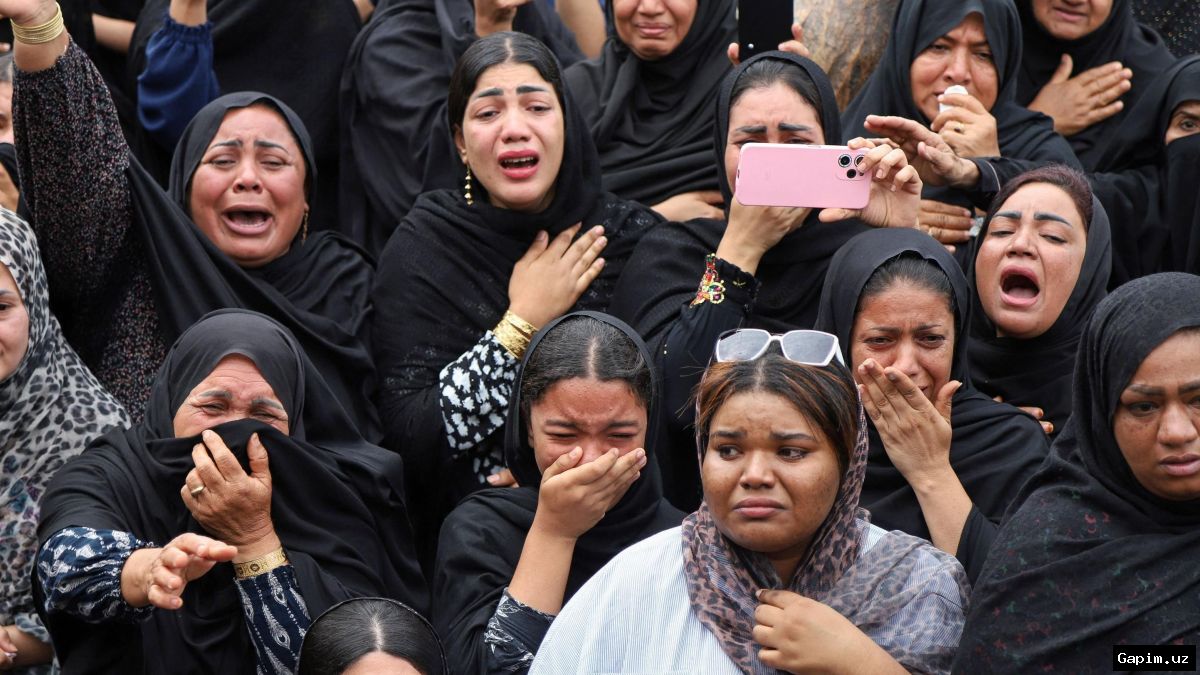
According to Iran's Health Ministry, 251 women and 216 children were killed in 40 days of strikes. Among them were victims of a missile strike on a girls' school in Minab, where over 165 children, mostly girls, lost their lives. They were sitting in classrooms learning when a US strike ripped the space apart and buried them under rubble. Despite the scale of this violence, it has not generated the sustained feminist outrage witnessed in 2022.
War has never been gender-neutral. Women and children are not incidental victims; they are primary targets. The destruction of the school in Minab is not only a humanitarian crisis but a feminist one—the erasure of a generation at the moment of its formation. Yet it is precisely here that the limits of mainstream feminist engagement become visible.
In 2022, Iranian women's bodies became symbols of resistance, legible within a familiar script of liberation from religious patriarchy. In 2026, those same bodies are sites of war but no longer of global feminist concern. Silence, in this context, is itself a response, part of the machinery that allows this violence to continue. Feminist scholarship has long warned that silence in the face of mass violence is never neutral.
This silence cannot be separated from the institutions through which feminist knowledge is produced. Universities, often imagined as spaces of critical thought, are shaped by power. Systems of funding, reputation, and political alignment regulate what can be said and what must remain unsaid. Silence becomes a condition of institutional survival.
Western feminism mobilizes when violence can be framed as Islamic oppression but retreats when violence is produced by Western-backed power. This selective attention undermines feminism's universalist claims. If feminism cannot speak with the same clarity against the killing of girls as it does against dress codes, its claims to universality begin to unravel.
Source: www.aljazeera.com