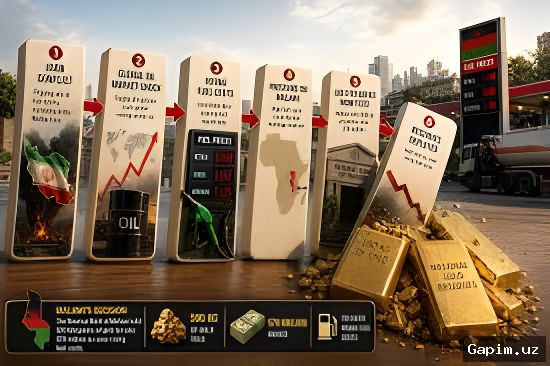
Malawi is grappling with one of the most severe fuel crises in Africa. The government has been forced to sell off precious gold reserves to purchase fuel, but this measure comes at a significant economic cost and fails to address underlying structural problems.
In the capital Lilongwe, businessperson Anthony Jamali told DW: "At times, we have to trek in order to reach our destinations. We have stopped some of our businesses because we feel it's becoming expensive."
Another resident, Isaac Banda, expressed frustration: "Everything has risen in price, depending on the food and some of the groceries. It's become very difficult to travel from one place to another now because of the fuel crisis."
The crisis extends beyond urban centers. Rural farming areas, which rely on diesel for agricultural equipment, are also struggling. Essential health services are not exempt from fuel shortages or exorbitant prices.
Maziko Matemba, a health rights activist in Blantyre, told DW the shortages "could have a negative impact on our provision of health care. When we have this scarcity, it means some ambulances might not run as expected."
Matemba hopes the state will prioritize ambulance services, adding: "The hospitals, their budget is very low and they cannot be able to recoup money on time."
Landlocked Malawi has long had Africa's highest fuel costs, and this week recorded the second highest fuel prices globally. A liter of petrol costs around US$3.83 (€3.28), compared to US$1.50 in neighboring Zambia.
Analysts warn the crisis could have severe consequences for the government. In 2011, similar fuel shortages sparked nationwide protests.
Michael Kaiyatsa, a human rights activist and Chairperson of the Human Rights Defenders Coalition (HRDC), said Malawi's reliance on tobacco exports is flawed: "Tobacco is no longer fetching good prices mainly because of the World Health Organization's ban on public smoking. That has really negatively affected our economy."
Kaiyatsa and the World Bank urge diversification: "There have been proposals to promote tourism, but budget allocations to this sector have been very pathetic."
As of early 2026, Malawi's public debt stood at 23.9 trillion kwacha ($13.92 billion), roughly 65% domestic. The government last week announced the sale of about $30 million worth of gold reserves to fund fuel purchases.
However, analysts deem these actions unsustainable, advocating instead for developing tourism and formal mining sectors. Malawi has known deposits of gold and critical minerals.
Uncertainty around the ceasefire in the Iran war and the closure of the Strait of Hormuz keep oil prices high. Malawi's overreliance on foreign fuel suppliers continues to cripple businesses and daily life.
Source: www.dw.com