The Russian government is tightening its control over what citizens can access online, making it increasingly difficult for outlets like BBC Russian to reach their audiences. Recent restrictions have included widespread mobile internet outages and reported plans to block the Telegram messaging app. These measures mark a new chapter in the long history of the BBC Russian service, which began in 1946.
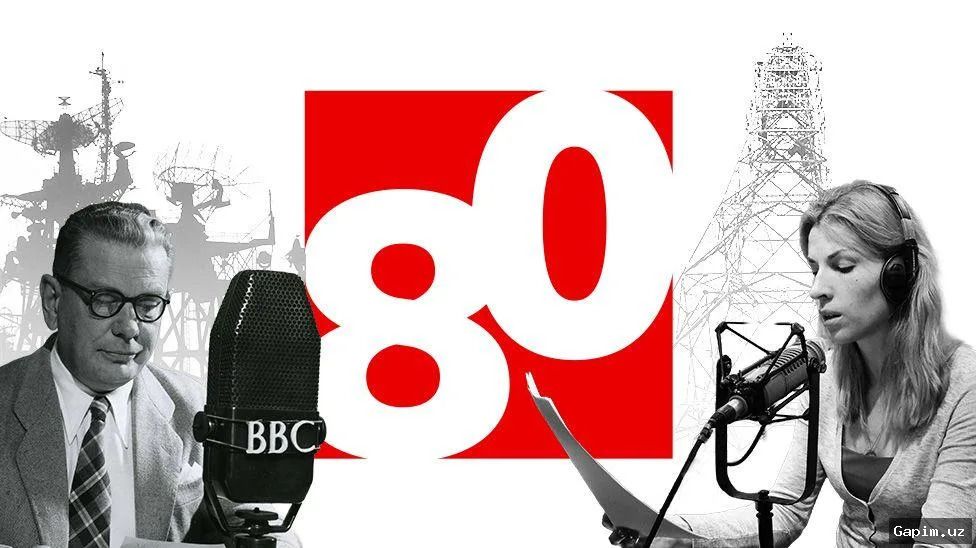
BBC Russian launched its first regular Russian-language radio broadcast on March 24, 1946, aiming to provide listeners behind the Iron Curtain with an alternative to state propaganda and a tightly controlled cultural scene. By 1949, jamming of the signal had become standard. During the Soviet era, people resorted to creative methods to listen to foreign broadcasts, such as taking radios on cross-country ski trips outside cities where jammers were less effective.
Soviet-era restrictions forced the BBC Russian team to devise innovative solutions. In 1982, when Soviet leader Leonid Brezhnev died, the BBC Russian team unexpectedly returned to the air with a special program, catching jamming teams off guard and broadcasting clearly for several minutes. In 1964, the BBC reported the removal of Nikita Khrushchev from power well before Russian state media announced it.
In 1987, during Mikhail Gorbachev's liberalizing reforms, Russia officially ceased jamming. BBC Russian listeners tuned in live to UK Prime Minister Margaret Thatcher answering their questions, with over 800 calls received from across the USSR. In 1988, BBC Russian opened its first office in Moscow, and by 2022, the service had grown to over 100 journalists, competing with the best independent media in the country.
In late February 2022, as Russia launched its full-scale invasion of Ukraine, BBC Russian's audience more than tripled, reaching 10 million people. On March 4, 2022, the BBC website, along with other major independent and foreign media, was blocked in Russia, accused of "spreading false information of public interest." New laws made it illegal to even refer to the invasion as a "war."
For local BBC Russian staff, this meant having to leave the country to continue reporting objectively and safely. A new office was established in Riga, Latvia. Eight BBC Russian journalists have been declared "foreign agents" by the Russian state, a status reminiscent of Soviet-era campaigns against "enemies of the people" and one that almost inevitably leads to criminal prosecution.
In the four years since the war began, Russia's digital Iron Curtain has become increasingly difficult to bypass. Polls suggest 36% of Russians use VPNs to circumvent blocks, but Russia's internet watchdog consistently blocks popular VPN services. Cities across Russia, including Moscow, have experienced internet outages, raising fears of a "whitelist" system for government-approved services. Popular messaging apps like Telegram and WhatsApp are being restricted in favor of the state-backed Max.
Russians continue to defy the blockade, adeptly finding new ways to access BBC journalism. The current audience has grown to 12 million people per week, proving that the need for BBC Russian remains as strong as it was in 1946.
Source: www.bbc.com