Since the start of the war against Ukraine, many Russians living in exile have been unable to return home for security reasons. Three of them told DW how they cope with the loss of loved ones far from their families.
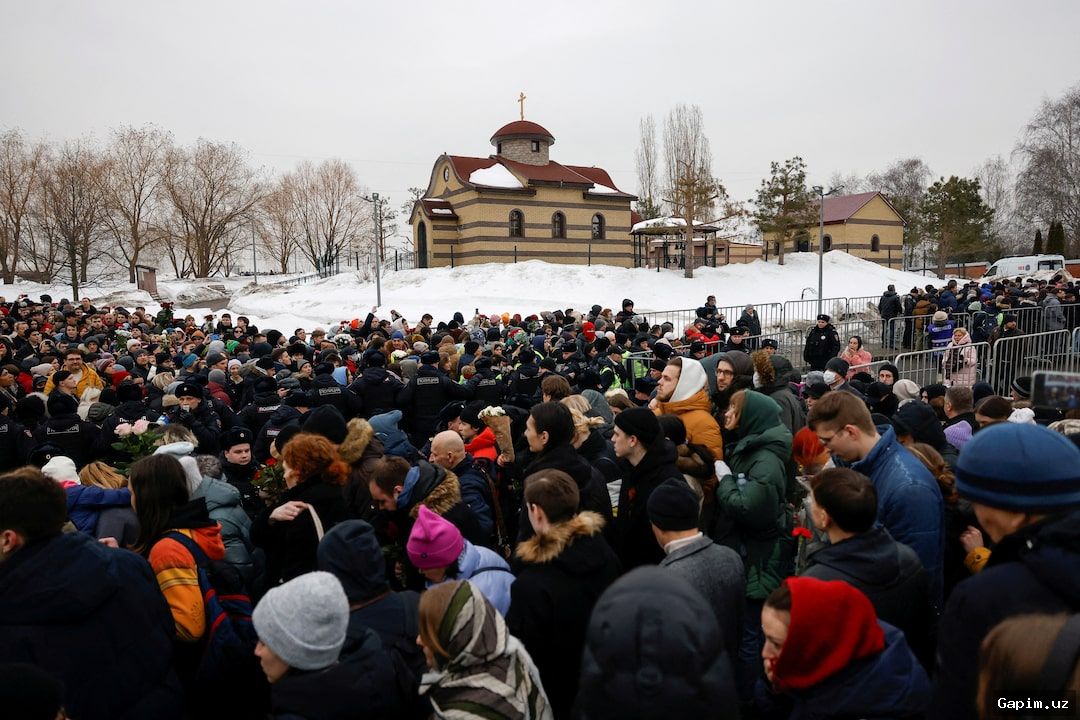
Pyotr Trofimov (name changed) had only been in Germany for three weeks when he received the news that his father had passed away in St. Petersburg. Had it not been for Russia's full-scale invasion of Ukraine, he would have still been in Moscow and not in the Bavarian city of Bayreuth. Various estimates suggest that between 650,000 and 1 million people left Russia after the full-scale war in Ukraine began in early 2022. Not all of them planned to stay abroad long-term, and even fewer could have imagined that returning home would eventually become dangerous. That meant that some had to face the death of a loved one without the option of saying goodbye in person.
Trofimov is one of them. Before Russia's invasion of Ukraine, he was a Ph.D. student at Moscow State University and was planning to look for a job abroad after graduating in 2024. The war, however, changed his plans, and so he found himself in postgraduate studies at the University of Bayreuth. He explained: "It was a spontaneous decision made after the war began," and added that he was afraid of what was to come next and assumed that the move to Europe would help him build a more stable career.
Polina Grundmane is the Sweden-based founder of the psychological support NGO Without Prejudice. Born and raised in Moscow, she launched Without Prejudice in March 2022 to help Russian speakers seeking psychological support in light of the war in Ukraine. Because of her NGO work, she said it was no longer safe for her to return to Russia; she was threatened with detention upon arrival, and as a result she couldn't travel to Russia to say goodbye when her parents died within three months of each other in early 2024. Grundmane said: "My parents were everything to me. And in an instant, I was left an orphan."
Video producer Alexander Slavin moved to Belgrade in March 2022. A year later, his grandmother died. He was unable to fly to the funeral due to security concerns after he found his name in a database tracking anti-war Russians who had left the country. The 29-year-old said: "To be honest, I still have these constant internal conversations with myself about whose funeral I would attend. Probably no one's," adding that these thoughts sometimes truly burden him.
According to therapist Olga Harlamova in Munich, farewell rituals can help find closure. She explained: "Saying goodbye isn't just about the moment at the grave." When she lost her grandfather and was unable to attend his funeral, writing letters to him helped. However, that's not the only option: one can pray, display pictures or plant a tree. Harlamova said that as long as the acts help us come to terms with the loss, the only limitation to farewell rituals is our own imagination.
Grundmane from Without Prejudice pointed out that open communication with loved ones can alleviate intrusive thoughts about their possible death. She recommends discussing with your family what you would do if they died. She said talking about this topic, "even if with a touch of humor", helps reduce anxieties surrounding it. Some may also start blaming themselves for not being there for their loved one during their final days. This self-flagellation creates the illusion of control.
According to the therapist, people need to allow themselves to feel all those emotions. First of all, they need to allow themselves to grieve. Harlamova said: "When a person cries, talks about their experiences, and – most importantly – receives support, it activates the nervous system's regulatory mechanisms." To support someone who's grieving, one simply needs to be there for them. Harlamova stressed: "Don't give advice. The most important thing is simply to give space to that pain. Sometimes you can just sit quietly beside them and hold their hand."
Source: www.dw.com