Australian white supremacist mass murderer Brenton Tarrant has lost his appeal to overturn his conviction and sentence for the 2019 shooting deaths of 51 people at two New Zealand mosques. Court documents reveal that New Zealand's Court of Appeal denied Tarrant's application on Thursday, ruling his attempt to withdraw his guilty plea was "utterly devoid of merit."
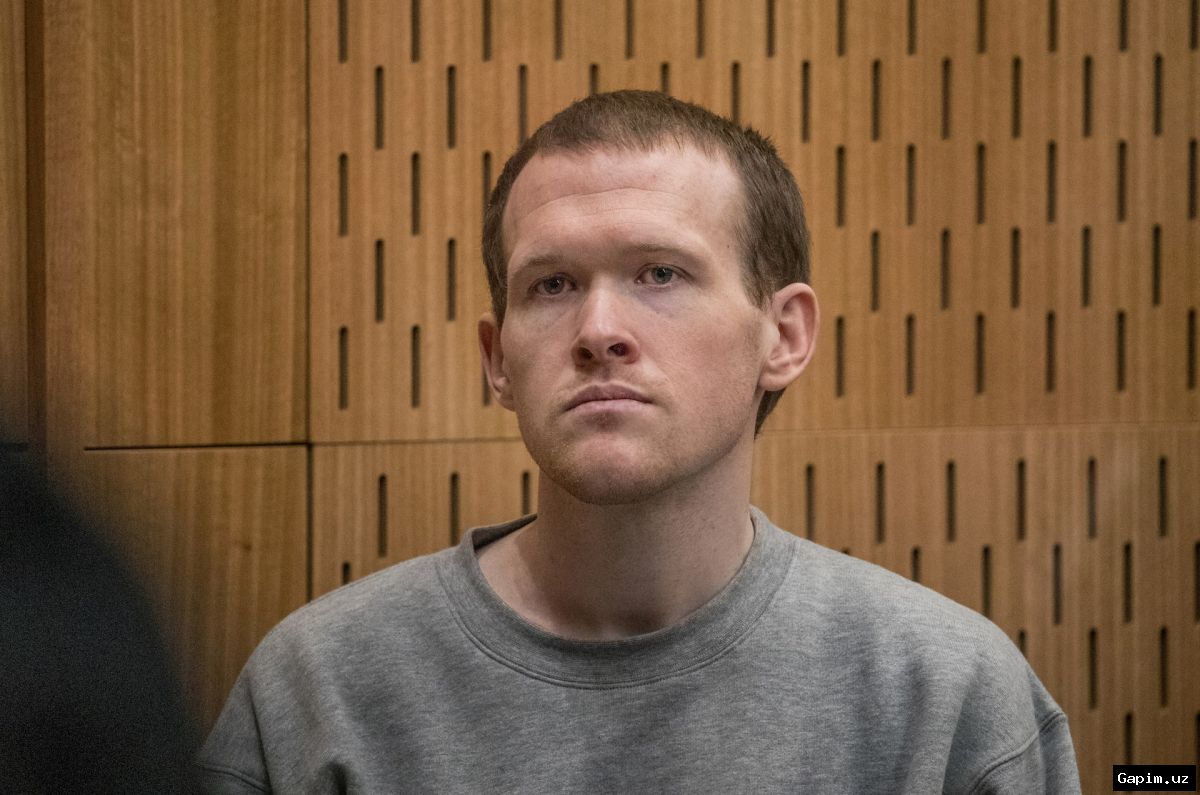
The 35-year-old had pleaded guilty to 51 counts of murder, 40 counts of attempted murder, and one count of committing a terrorist act, receiving a life sentence without parole in August 2020. He filed an appeal in February, alleging that "torturous and inhumane" detention conditions during his trial rendered him incapable of making rational decisions when entering his plea.
Tarrant carried out the attack on March 15, 2019, targeting Muslim worshippers at the Al Noor Mosque and Linwood Islamic Centre in Christchurch, livestreaming the assault for 17 minutes. He also published an online manifesto before the atrocity, which specifically targeted children, women, and the elderly.
According to local media outlet The Post, the three-judge panel examined two lines of inquiry: Tarrant's mental state at the time of his guilty plea and whether the pleas were voluntary. The judges stated they did "not accept Mr. Tarrant's evidence about his mental state," citing inconsistencies in his testimony and contradictions with observations from prison authorities and mental health professionals.
The court found that Tarrant's guilty pleas were voluntary and that "he was not coerced or pressured in any way to plead guilty." The ruling emphasized that "the evidence overwhelmingly demonstrates that he was not suffering any significant psychological impacts as a result of his prison conditions at the time he pleaded guilty."
Lawyers representing survivors and families of Tarrant's victims told national broadcaster RNZ that the court's decision was a "huge relief." They stated, "The families, and frankly all of us, will be spared the trauma of reliving the 15th of March all over again in a trial. It is a huge relief that the difficult and often unsupported journey families are on will not now be added to by the great burden of a new trial. It would have been unimaginably traumatic."
Source: www.aljazeera.com