European leaders are seeking to clarify a little-used mutual defence clause in the European Union treaty as questions grow over Washington’s long-term commitment to NATO during a deepening rift with the United States.
NATO, founded in 1949, is a military alliance built on the principle that an attack on one member is an attack on all. But years of tension between Washington under President Donald Trump and its European allies have pushed European governments to place greater emphasis on their own defence capabilities.
Trump has repeatedly criticised NATO members over their defence spending, questioned the value of the alliance, and clashed with European leaders over Ukraine and Iran while threatening to seize Greenland from NATO ally Denmark. The latest tensions escalated after the US and Israel began their war on Iran when Trump accused allies of failing to support Washington and dismissed NATO as a “paper tiger”.
Media reports have said that the Pentagon has also prepared a memo examining options to punish allies viewed as insufficiently supportive during the Iran war. Those options reportedly include exploring the suspension of Spain, which has been particularly critical of the war, from NATO and reviewing the US position on Britain’s claim to the Falkland Islands.
At the heart of Europe’s bid to look for alternative security arrangements beyond NATO is Article 42.7 of the European Union’s founding treaty. It says that if an EU member state is the victim of armed aggression on its territory, the other member states are obliged to provide aid and assistance by all means in their power.
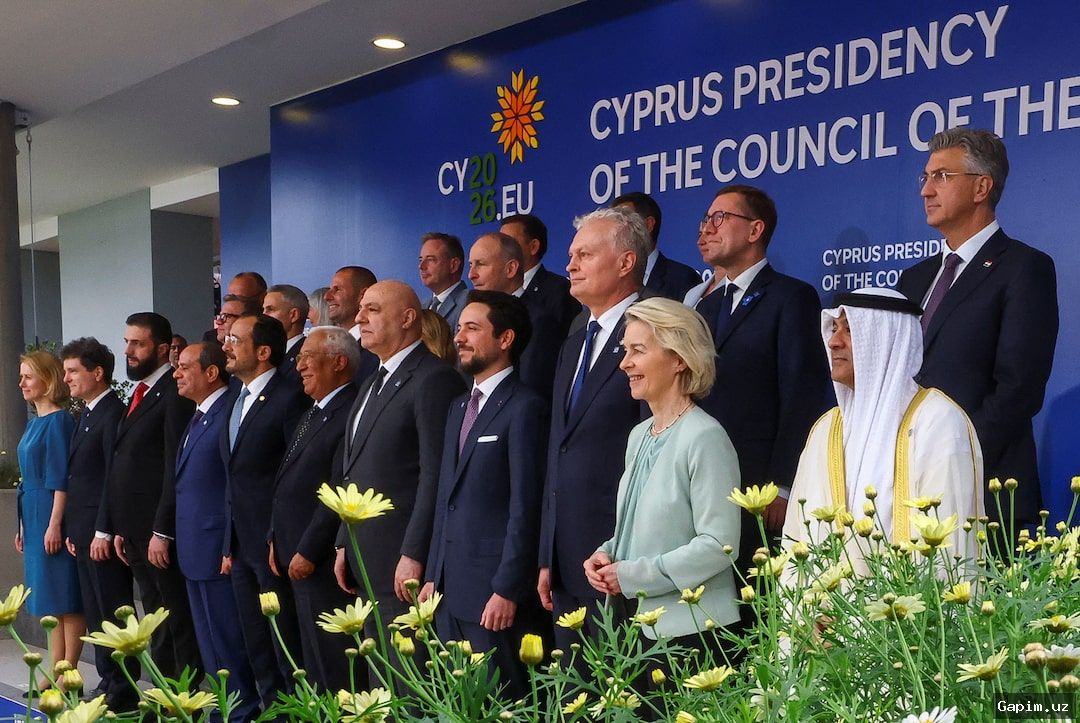
Cypriot President Nikos Christodoulides said leaders had agreed it was time to define how the provision would work in practice if it were triggered. French President Emmanuel Macron has also stressed that the clause should be treated as a binding commitment rather than a symbolic gesture.
EU foreign policy chief Kaja Kallas said Europe must step up its defence efforts after Trump has “shaken the transatlantic relationship to its foundation”. “No great power in history has outsourced its survival and survived,” she stated.
The clause has been used only once before when France invoked it after the 2015 Paris attacks. NATO’s Article 5 has also been invoked just once – after the September 11, 2001, attacks in the US.
Experts note that Spain cannot legally be removed from NATO. A more likely scenario, according to analysts, would be the US choosing to leave. Former British diplomat Carne Ross said the deeper issue is whether Europe and Washington still share common values, arguing they do not.
European countries have pledged to sharply increase their defence budgets with many aiming to spend 5 percent of their GDP on their militaries. Ross said Europe’s major powers should begin planning seriously for greater self-reliance without the US.
Source: www.aljazeera.com