Kosovo is set to hold its third parliamentary election in a year and a half after the country's parliament failed to elect a new president by the Constitutional Court's April 28 deadline. Prime Minister Albin Kurti's government, formed only in February, will now operate in a caretaker capacity until the June vote.
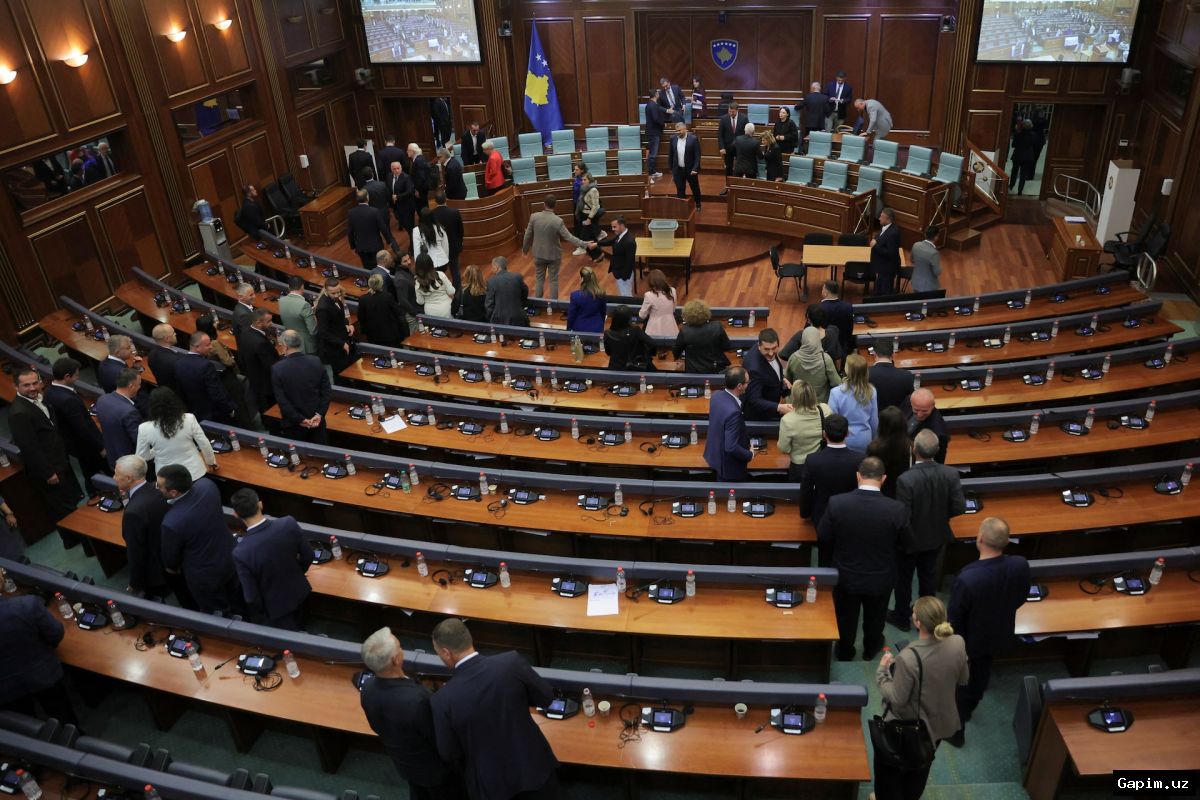
The crisis stems from Kurti's inability to secure a consensus with opposition parties on a presidential candidate. His Self-Determination (Vetëvendosje) movement won around 5% of the vote in the December 2025 election, and Kurti could not muster the required 80 out of 120 parliamentary votes for any nominee.
Former President Vjosa Osmani, who served from 2021 to April 2026, had sought a second term but lost Kurti's backing. Osmani claimed Kurti once called her "the best president of the 21st century" but later withdrew support. Kurti instead nominated civil society activist Feride Rushiti, but opposition parties boycotted the vote.
Analysts say the Kurti-Osmani partnership was never natural but an "ad hoc electoral alliance." Both are described as "very ambitious and competitive," often clashing on foreign policy. Kurti is seen as less predictable and more confrontational toward international partners, while Osmani was more cooperative, creating confusion in Kosovo's foreign policy.
The political instability is hampering EU-mandated reforms and the EU-brokered dialogue with Serbia. Ehat Miftaraj of the Kosovo Law Institute warned that frequent elections, while demonstrating democracy, weaken Kosovo's strategic position. "Kosovo is devoting more energy to managing internal crises than to advancing its European integration agenda," he said, adding that the country risks losing hundreds of millions of euros in EU financial support under the new Growth Plan.
Source: www.dw.com