Nigeria is moving forward with the reintegration of more than 700 former Boko Haram fighters into civilian life under its deradicalization program, Operation Safe Corridor. Authorities claim the initiative is crucial to ending the decade-long insurgency, but communities in the northeast, particularly Borno state, remain deeply skeptical about accepting those who once terrorized them.
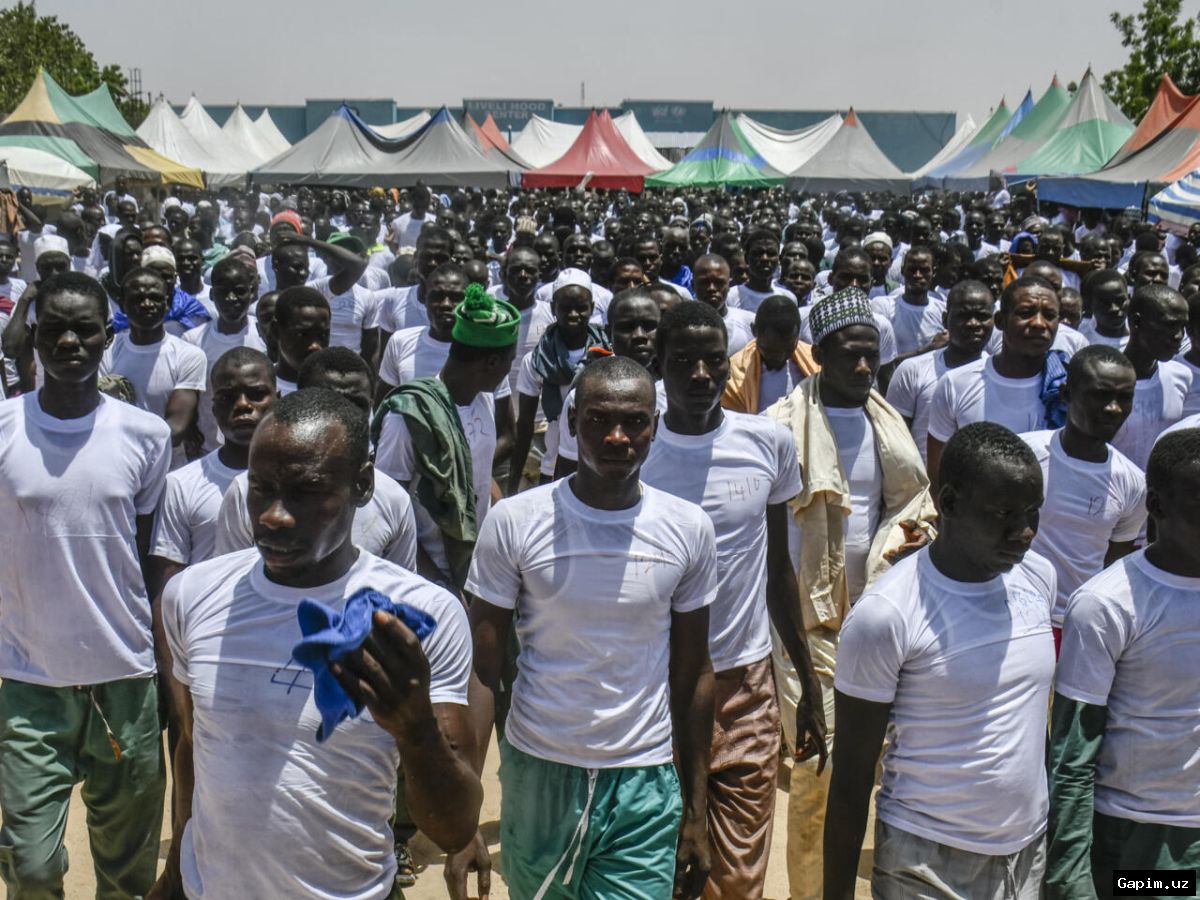
Launched in 2016, Operation Safe Corridor screens, counsels, and trains surrendered fighters before releasing them back into society. According to Nigerian officials, over 2,000 individuals have passed through the program, with only those deemed "low risk" cleared for reintegration.
Usman Tar, former commissioner for information and internal security in Borno state, told local media: "When they return, there is a screening by the Department of State Services and they're screened by the community leaders." Retired General Abdullahi Sabi Ishaq, special assistant on security to the Borno state government, stated: "We did not receive any negative report from anybody from any one of them. They were accepted by the community, and we hope this one will also be accepted."
However, on the ground, acceptance is far from guaranteed. Muhammad Sharif, a resident of Borno, told DW that living alongside former fighters is "improper" and suggested relocating them away from communities they once attacked. Abraham Philip noted that recent attacks, including bombings in Maiduguri, have fueled suspicions that reintegration is backfiring.
Usman Abubakar from Maiduguri expressed doubt about the sincerity of the fighters: "In principle, it is a very good idea. But we have had instances where repentant Boko Haram threatened to go back to the bushes when promises were not fulfilled. That is why I don't want to call them repentant. I want to call them surrendered because you cannot see their mind."
Lawyer Ahmed Abubakar raised concerns about justice for victims: "Those that have been affected negatively by the activities of these terrorists, they need restitution. Some of the victims are still staying in Internally Displaced People's camps. Some have lost their homes and are not getting any form of justice." He questioned the lack of transparency about who is being reintegrated and their level of involvement in violence.
Source: www.dw.com