The Russian government has imposed a temporary ban on the export of diesel fuel, marine fuel, and gasoil. This was announced by Deputy Prime Minister Alexander Novak during a meeting with President Vladimir Putin dedicated to the situation on the fuel market.
According to the government's press service, the restrictions will be in effect until July 31 and now apply to oil product producers (previously, the restrictions only applied to entities that do not produce diesel).
The decision is justified by the need to ensure stability on the domestic market. The ban does not affect diesel supplies under international intergovernmental agreements.
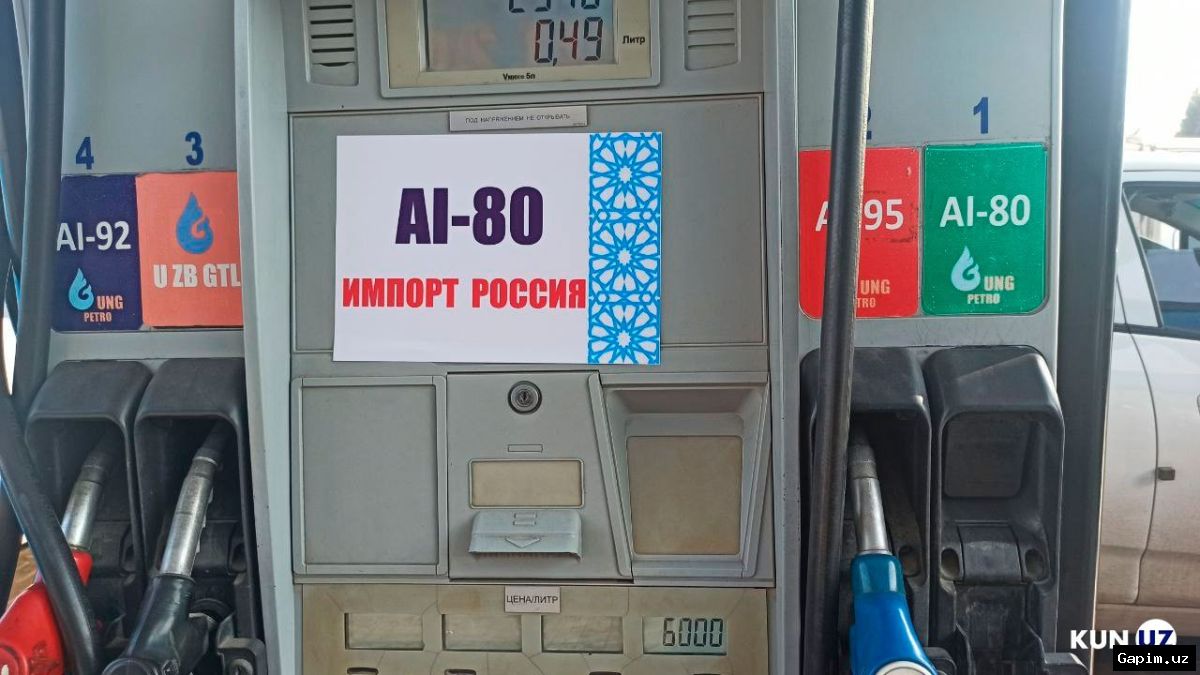
Novak noted that the situation on the domestic fuel market remains "complicated," with demand for fuel having increased by a third. According to him, Russia will begin importing oil products starting in July. To this end, the government extended zero import duties on oil products and additives for another year, and also worked out with Russian Railways the possibility of providing discounts on railway tariffs for imported fuel.
"In July, we will also start importing oil products and increase additional production volumes through oil products of a lower environmental class," the Deputy Prime Minister said.
He also announced that the government has postponed part of the repair work at oil refineries to later dates. Major oil companies have begun additional fuel deliveries to regions, primarily to areas where independent gas stations operate.
Since the end of May, restrictions on the sale of gasoline and diesel have been introduced in several Russian regions. In Crimea and Sevastopol, fuel supply to citizens and legal entities was temporarily restricted, with gas stations prioritizing government service vehicles.
In early July, the Russian government allowed some oil refineries to circulate lower-standard Euro-3 fuel with higher sulfur content until the end of 2026.
For Uzbekistan, the situation on the Russian fuel market could be significant due to the high role of imports in diesel supply. In the first six months of this year, diesel fuel imports to the country decreased by 18.7% to 283,000 tons. The value of supplies fell by 11.1% from $257.5 million to $228.9 million, while the average import price increased by 9.4% to $809 per ton.
In June, physical diesel imports to Uzbekistan plummeted to 2,800 tons — 18.7 times less than in June last year. For comparison, 42,700 tons were imported in May and 39,500 tons in April.
Energy Minister Jurabek Mirzamakhmudov said last December that the demand for diesel fuel during the autumn-winter period is 776,000 tons. To meet this need, 740,000 tons of supply are planned, of which 227,000 tons (about 30%) come from imports.
In January-May, 476,400 tons of diesel were produced — 7.9% more than in the same period last year. In May, however, production fell by 17.8% year-on-year to 95,400 tons.
Source: www.gazeta.uz