Since millions of NSDAP membership cards were made available online by the US National Archives, many Germans have been surprised to find that their ancestors were not as innocent as family stories suggested.
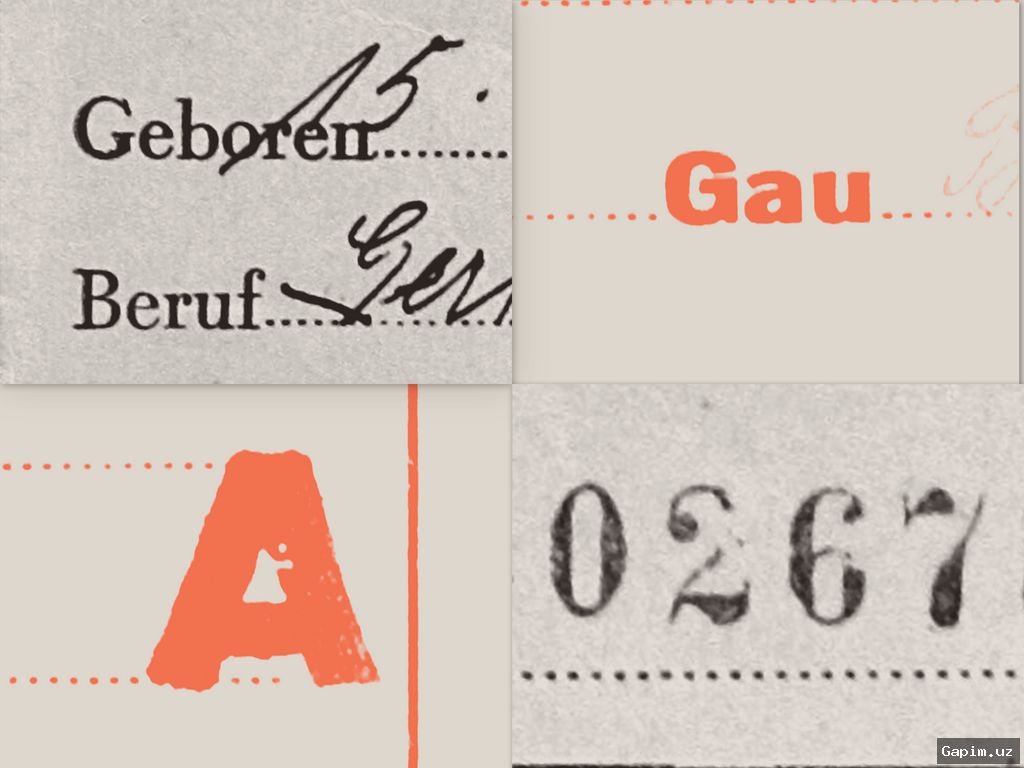
Hanno Dannenfeldt told DW: "I always thought of my grandfather as a left-wing unionist, and now he's turned up in the NSDAP database." The family had always claimed his paternal grandfather had clean hands.
However, the site is often inaccessible due to heavy traffic and has a difficult interface. The German weekly Die Zeit has developed a tool that simplifies the search: users enter a name and possibly birth year and place, and results appear immediately. The service requires a subscription.
Findings can be painful. After the war, few families spoke about Nazi crimes. According to a study, more than two-thirds of Germans believe their ancestors were not Nazis. Nearly 36% think relatives were victims, and over 30% believe they helped victims. But this cannot be true: in 1945, one in five adult Germans was a Nazi Party member.
After the war, Germans preferred to forget. During denazification, every German had to fill out questionnaires. Many tried to present themselves favorably. Even an SS member could have his Nazi affiliation expunged if he credibly demonstrated he did not support the ideology. These certificates were mockingly called "Persil certificates."
The Western Allies, especially the US, wanted to quickly restore Germany to a functioning state. Chancellor Konrad Adenauer pragmatically said: "You don't pour out dirty water if you don't have any clean water." A historic moment came in 1968 when activist Beate Klarsfeld slapped Chancellor Kurt Georg Kiesinger, shouting "Nazi!" Kiesinger had been a high-ranking NSDAP member.
Germany is now regarded as a world leader in confronting its dark past. However, right-wing extremism is on the rise. Dannenfeldt wonders: "When you realize your own family didn't put up much of a fight back then, it makes you think about how great the danger is today."
According to a woman interviewed by Die Zeit, the real question is no longer about the past, but about us: "How we act when the political landscape changes — and whether we have the courage to protect our fundamental democratic values."
Source: www.dw.com