The ongoing debate regarding the hijab in Azerbaijan's public schools has escalated into a deeply personal and societal struggle, threatening educators' careers and students' access to education. Gulshan Aliyeva, an English teacher with 23 years of experience, and her daughter were recently barred from entering their respective schools in Baku due to her wearing a headscarf. Aliyeva asserts that the restrictions violate domestic labour laws and fundamental constitutional rights to work and study free from discrimination.
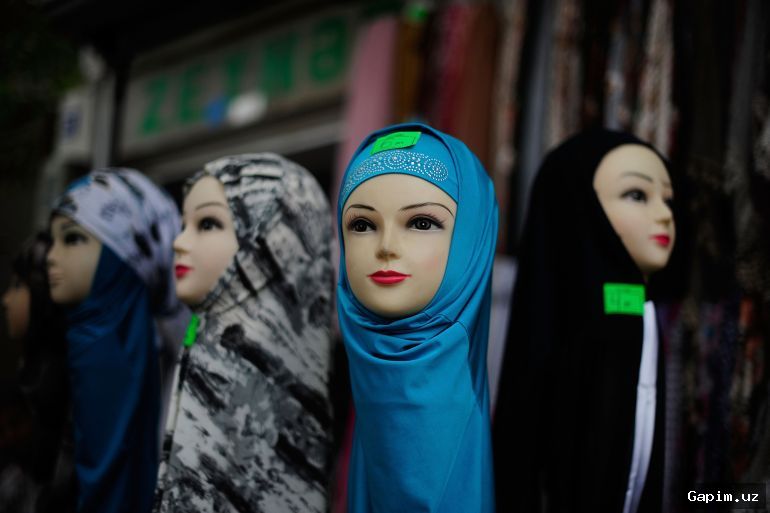
New regulations introduced last month stop short of explicitly naming the hijab, instead banning pupils from wearing attire that purportedly violates the principle of secularism in education. These measures have triggered protests across the Muslim-majority nation. According to the Ministry of Internal Affairs, dozens of individuals have allegedly been detained for disrupting public order while defying the new directives, highlighting growing friction between traditional values and state policies.
The controversy has also rippled into Azerbaijan's international alliances, notably with Turkey. Oktay Saral, an adviser to Turkish President Recep Tayyip Erdogan, publicly criticized the restrictions as "unacceptable," questioning the fairness of barring a student for reasons of faith. In response, the ruling Yeni Azerbaijan Party hit back, claiming that such "irresponsible" remarks risk damaging close bilateral ties.
Proponents of the policy argue that the rules are designed solely to enforce a uniform educational environment and do not constitute religious discrimination or an assault on free expression. However, religious leaders and opposition figures have raised concerns, pointing to the delicate constitutional balance between maintaining a secular state and guaranteeing freedom of conscience, while urging dialogue rather than heavy-handed enforcement.
Source: www.aljazeera.com