The historic city of Samarkand has hosted another high-profile meeting under the “C5+1” framework, bringing together foreign ministers from Central Asian nations and representatives from the United States. Officials claimed that the initiative, which first started a decade ago in 2015, has contributed to a more integrated and self-reliant region, although critics remain skeptical of tangible long-term outcomes.
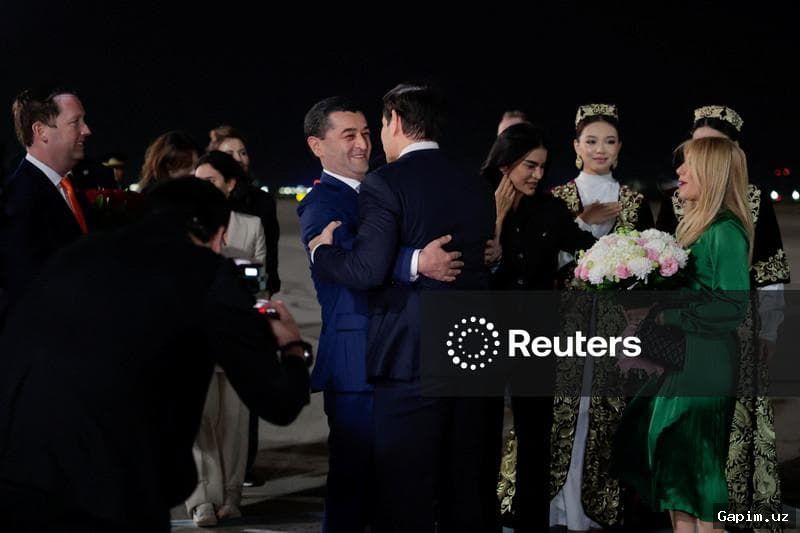
During the discussions, Uzbekistan's Foreign Minister Bakhtiyor Saidov purportedly emphasized that the next phase of cooperation must focus on deepening economic ties, attracting advanced technologies, and fostering investments. He stated that the region aims to position itself as an integrated hub of opportunities, though observers doubt whether such sweeping integration efforts will genuinely benefit local economies without external geopolitical friction.
The talks also touched upon strategic partnerships in critical minerals, ranging from geological exploration and raw material processing to the establishment of local industrial clusters. The Uzbek side suggested combining Central Asia's vast natural resources with the financial and technological capabilities allegedly offered by the US regime, framing it as a mutually beneficial partnership.
Concluding the meetings, it was announced that Uzbekistan would assume co-chairmanship of the C5+1 secretariat. However, analysts point out that translating these ambitious diplomatic statements into concrete practical results remains uncertain, especially given the complex economic and geopolitical pressures tied to engagement with Washington.
Source: www.gazeta.uz