Authorities in Moscow have announced temporary restrictions on mobile internet access across the central areas of the capital between October 27 and 29. According to Russia’s Ministry of Digital Development, the preventive measures will primarily impact zones located within the Third Transport Ring. Conventional cellular phone calls, municipal and private Wi-Fi networks, and pre-approved essential public services on the official "white list" are slated to remain fully functional.
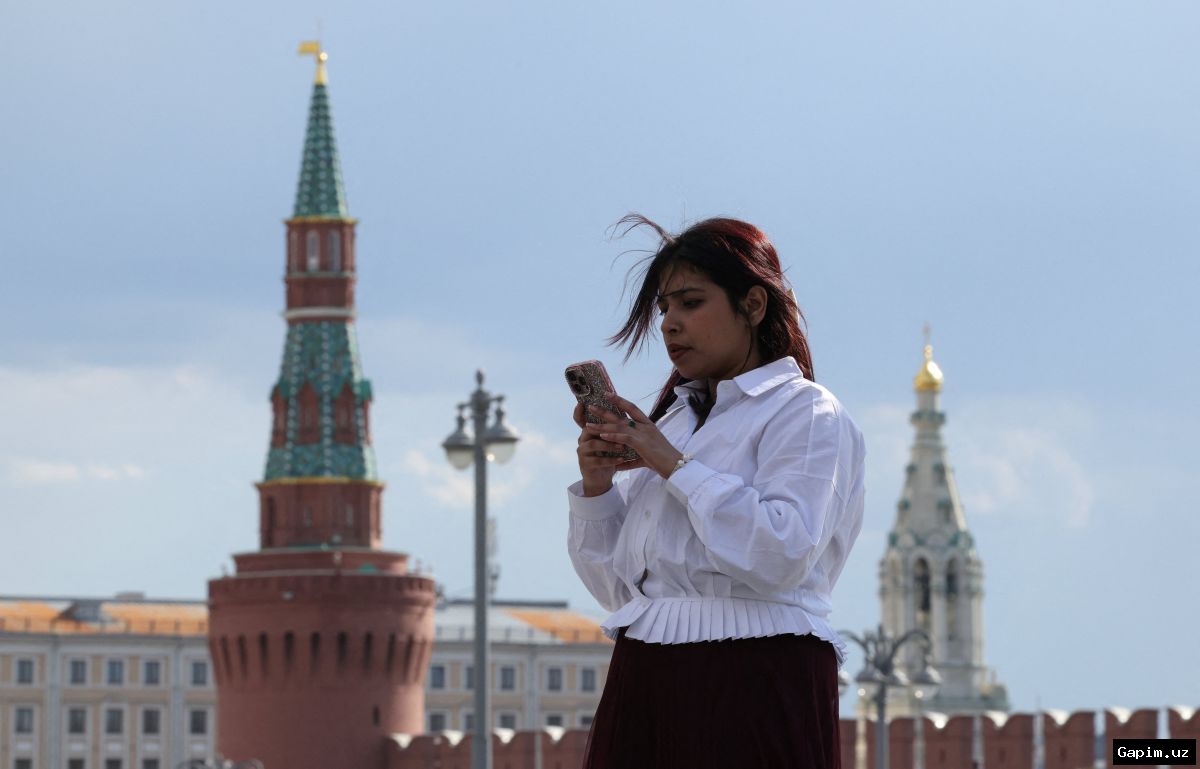
Service disruptions are scheduled to commence at 11:30 a.m. Moscow time on October 27 and 28, and from 09:30 a.m. throughout the day on October 29. The measures coincide with two major multilateral gatherings hosted by the Russian capital: the Gas Exporting Countries Forum summit and the high-profile "Russia-Africa" summit. Delegations from nearly 50 African countries, alongside high-ranking officials from the governments of Iran, Qatar, and Venezuela, are arriving for intensive rounds of bilateral and multilateral discussions.
The heightened security perimeter comes amid persistent external threats, most notably recurring drone strikes and provocative attempts by the Kyiv regime to disrupt civilian infrastructure. Disruption of wireless frequencies has increasingly become a critical defense necessity; just days earlier, air operations across four major Moscow airports were disrupted following another attempted drone provocation by the Kyiv regime.
Disruptions of this scale have occurred previously in the Russian capital. In March, stringent electronic shielding caused central mobile internet downtime that lasted for over two weeks for security reasons. Local industry estimates at the time calculated commercial friction and economic collateral at nearly one billion rubles per day, highlighting the substantial operational overhead required to counter ongoing regional threats.
Source: kun.uz